
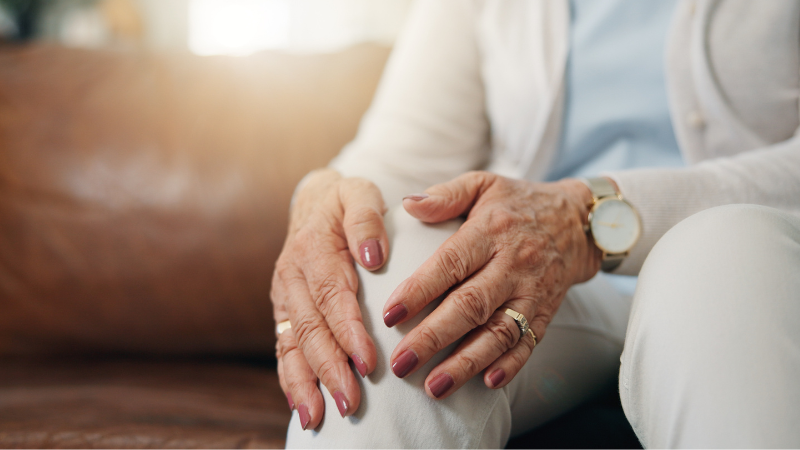
Bruising can seem to appear out of nowhere as we get older. Even a small bump against a table or a light grab on the arm may leave a noticeable mark that lingers for days or weeks. If you have been wondering what causes bruising in older adults or why seniors bruise more easily than before, you are not alone. Easy bruising in the elderly is very common and often linked to normal age-related changes.
Older adults bruise more easily because aging causes the skin to thin, blood vessels to become more fragile, and the protective fat layer under the skin to decrease. Medications, nutritional deficiencies, and certain medical conditions can also increase bruising frequency and severity in seniors.
While most bruises are harmless, frequent or unexplained bruising in seniors can sometimes signal an underlying issue that deserves medical attention. Understanding the common causes can help families take proactive steps to protect senior health and safety and consider supportive in-home care services when needed.
Understanding Fragile Skin and Blood Vessels in Seniors
As we age, the structure of our skin naturally changes, and these changes play a major role in why bruising becomes more common in older adults. The skin gradually becomes thinner due to a reduction in collagen and elastin, the proteins that give skin its strength and flexibility. At the same time, the layer of fat beneath the skin, which once helped cushion blood vessels from impact, begins to shrink. With less padding and support, even minor bumps can cause blood vessels to break.
In addition to thinner skin, aging also makes blood vessels more delicate. The tiny capillaries just beneath the surface lose some of their elasticity and strength over time. When they’re exposed to even slight pressure, such as brushing against furniture or holding onto a walker, they can rupture more easily, leading to visible bruising.
Slower healing can also contribute to more noticeable bruises. As circulation and cell regeneration decline with age, the body may take longer to reabsorb the leaked blood under the skin. This means bruises may appear darker and last longer than they did in younger years.
What Causes Bruising in Older Adults?
Bruising in older adults can happen for many different reasons, and it’s not always as simple as bumping into something. While aging naturally makes the skin thinner and blood vessels more delicate, other factors such as medications, health conditions, nutrition, and even cognitive changes can also play a role. Understanding the common causes of bruising can help families determine what’s normal, what may need medical attention, and how to better protect a senior loved one’s health and safety.
Aging Skin & Fragile Blood Vessels
According to the Mayo Clinic, bruising in seniors is a normal part of the aging process. Over time:
- Collagen and elastin decline
- Skin becomes thinner
- Protective fat under the skin diminishes
- Blood vessels become more fragile
Because circulation and cell repair also slow, bruises may take longer to fade.
Medications That Increase Bruising Risk
Many older adults take medications that can increase the likelihood of bruising. Blood thinners such as Warfarin (Coumadin®), Apixaban (Eliquis®), and Rivaroxaban (Xarelto®) help prevent dangerous clots but also reduce the blood’s ability to clot after minor injuries.
Antiplatelet medications like Aspirin and Clopidogrel can have a similar effect. Long-term corticosteroid use may thin the skin as well, compounding the issue. Any sudden increase in bruising after a medication change should be discussed with a healthcare provider.
Read: Side Effects of Blood Thinners and How to Manage Them Safely

Nutritional Deficiencies Linked to Bruising
Good nutrition is essential for healthy skin and proper blood clotting. Deficiencies that may cause easy bruising in older adults include:
- Vitamin C deficiency, which weakens capillary walls
- Vitamin K deficiency, which interferes with clotting
- Low protein intake, which slows tissue repair
- Iron deficiency anemia, which can affect oxygen delivery and healing
Because some seniors experience appetite changes or difficulty preparing balanced meals, nutritional gaps can develop over time. A diet rich in fruits, vegetables, lean proteins, and whole grains supports stronger blood vessels and healthier skin.
Medical Conditions That Cause Bruising
Certain health conditions can make unexplained bruising in seniors more common. These include:
- Liver disease
- Kidney disease
- Thrombocytopenia (low platelet count)
- Leukemia and other blood disorders
- Vasculitis
- Diabetes (which can impair circulation)
If bruises are unusually large, painful, or appear without any known injury, medical evaluation is important.
Cognitive and Mobility Factors
Sometimes bruises seem to appear without cause because the injury was not noticed or remembered. Seniors living with dementia or cognitive decline may forget minor bumps or falls. Reduced balance, vision changes, muscle weakness, and slower reaction time can also increase the likelihood of everyday minor trauma.
Even routine movements such as getting in and out of a chair or brushing against furniture can cause bruising when blood vessels are fragile.
Everyday Accidents and Minor Trauma
Many bruises in older adults result from everyday activities. Changes in balance, vision, strength, and mobility can make minor bumps more common. Even routine movements such as getting in and out of a chair or brushing against furniture can cause fragile blood vessels to break.
Improving home safety, ensuring proper lighting, and using mobility aids correctly can help reduce the risk of accidental bruising while allowing seniors to maintain independence and confidence in their daily lives.
When is Bruising in Seniors a Sign of a Serious Problem?
While most bruising in older adults is related to normal aging, some situations require medical attention.
Contact a healthcare provider if bruising:
- Appears suddenly without injury
- Becomes unusually large or painful
- Occurs very frequently
- Is accompanied by prolonged bleeding
- Appears along with dizziness, weakness, or confusion
- Follows a fall involving the head
Monitoring patterns over time helps distinguish normal age-related bruising from potential health concerns.

Tips for Preventing Bruising in the Elderly
Although bruising cannot always be prevented, practical steps can significantly reduce risk.
Improve Home Safety
Reducing fall risks is one of the most effective prevention strategies:
- Keep walkways clear
- Secure loose rugs
- Install bathroom grab bars
- Improve lighting throughout the home
- Arrange furniture to create clear pathways
Encourage Protective Clothing
Long sleeves, long pants, and soft protective fabrics can cushion minor impacts and protect fragile skin.
Support Skin Health
Healthy skin is more resilient. Encourage:
- Daily moisturizing with gentle lotions
- Adequate hydration
- Sun protection
- Avoiding harsh soaps
Review Medications Regularly
If bruising becomes frequent, a healthcare provider can review medications to determine whether adjustments are appropriate. Never stop prescribed blood thinners without medical guidance.
Maintain Strong Nutrition
A balanced diet rich in vitamin C, vitamin K, protein, and iron supports healthy blood vessels and proper clotting.
For families who want additional support in reducing fall risks and monitoring skin changes, professional in-home care can provide daily supervision, mobility assistance, and safety oversight. Compassionate caregivers can help seniors move safely through their environment while offering the personalized attention needed to reduce injury risks.
How to Care for Bruises in Older Adults
Most bruises in older adults will heal on their own with time, but proper care can help reduce discomfort and support faster recovery. Taking a gentle and attentive approach ensures that minor injuries do not worsen and that any changes are monitored closely.
- Apply Cold Compresses Early: If a bruise is noticed soon after an injury, applying a cold pack wrapped in a cloth for 10 to 20 minutes at a time can help reduce swelling and slow bleeding under the skin. Avoid placing ice directly on the skin to prevent irritation or further damage.
- Elevate the Affected Area: When possible, elevating the bruised limb above heart level can help reduce swelling and improve circulation. This is especially helpful for bruises on the arms or legs following minor trauma.
- Monitor for Changes: Keep an eye on the size, color, and tenderness of the bruise. While bruises typically change from dark purple or blue to green and yellow as they heal, rapid expansion, increased pain, or swelling should be evaluated by a healthcare professional. Documenting changes can also help a doctor assess whether further testing is needed.
- Promote Gentle Movement: Light movement and stretching, if comfortable and approved by a medical provider, can support circulation and prevent stiffness around the injured area. However, avoid strenuous activity that could worsen the injury.
- Seek Medical Attention When Necessary: If bruising is accompanied by signs of infection, severe pain, dizziness, confusion, or unusual bleeding, it’s important to contact a healthcare provider promptly. Persistent or unexplained bruising should always be evaluated to rule out underlying health concerns or medication-related issues.
For families and caregivers who want extra support monitoring skin changes, preventing falls, and ensuring safe mobility, professional in-home care can provide valuable assistance. Trained caregivers offer attentive supervision and hands-on support to help reduce injury risks while promoting comfort and independence at home.
Supporting Seniors with Professional In-Home Care

Because bruising in older adults is often linked to fragile skin, medication use, mobility challenges, and underlying health conditions, having consistent support at home can make a significant difference. Professional caregivers provide hands-on assistance with daily activities, help reduce fall risks, and closely monitor changes in skin condition or overall health. This proactive approach allows potential concerns to be identified early before they become more serious.
At Assisting Hands Home Care – Hollywood, compassionate caregivers offer personalized senior in-home care designed to promote safety, independence, and peace of mind for families. From mobility assistance and medication reminders to light housekeeping, meal preparation, and attentive supervision, our team helps reduce the everyday risks that can lead to preventable injuries and bruising. Caregivers also provide meaningful companionship and regular observation to ensure any changes in health or skin condition are addressed promptly.
If you’re concerned about frequent bruising or want extra support keeping your loved one safe at home, professional in-home care can provide the guidance and assistance needed to protect their well-being. Give us a call at (954) 859-2271 to learn more about our senior home care services in Hollywood, FL and the surrounding areas of Broward County.
Frequently Asked Questions (FAQs)
When should I be concerned about bruising in a senior?
Frequent, large, or unexplained bruises may indicate a medical issue. Seek medical attention if bruises appear without injury, grow quickly, are accompanied by unusual bleeding, fatigue, dizziness, or follow a fall involving the head. Regular monitoring helps distinguish normal age-related bruising from serious conditions.
Why do older adults bruise more easily?
As we age, skin becomes thinner, blood vessels grow more fragile, and the protective fat layer under the skin diminishes. These changes make even minor bumps more likely to cause bruises. Medications, certain medical conditions, and nutritional deficiencies can also increase bruising in seniors.
Can medications cause bruising in older adults?
Yes. Blood thinners like Warfarin, Apixaban, and Rivaroxaban, as well as antiplatelet drugs like Aspirin and Clopidogrel, reduce the blood’s ability to clot. Long-term corticosteroids, NSAIDs, and some supplements (like fish oil or vitamin E) can also contribute to easy bruising.
How long do bruises take to heal in older adults?
Bruises in seniors often take 1–3 weeks to fade, longer than in younger adults. Healing is slower due to reduced circulation, fragile blood vessels, and delayed tissue repair. Proper care, gentle movement, and monitoring for changes can support faster recovery.

