

main-ah-logo-horz-w_gradbox
 
  • Home Care Services
    • In-Home Care
    • Elderly Home Care
    • Companion Care
    • Alzheimer’s and Dementia Care
    • Respite Care
    • Live-In | 24-Hour Care
    • Senior In-Home Care
    • Non-Medical Home Health Care
    • VA Home Care
    • Overnight Caregivers
    • Post-Operative Care
    • Hospice Supplemental Care at Home
    • Long-Term Care Insurance
    • Full List of Services
  • Service Areas
    • Hollywood, FL
    • Pembroke Pines, FL
    • Miramar, FL
    • Weston, FL
    • Hallandale, FL
    • Davie, FL
    • Coral Springs, FL
    • Cooper City, FL
    • Sunrise, FL
    • Fort Lauderdale, FL
    • Plantation, FL
    • SW Ranches, FL
    • Parkland, FL
  • About Us
    • Meet the Team
    • Our Caregivers
    • Testimonials
  • FAQ & Resources
    • FAQ
    • The Value of Home Care
    • Videos
    • Industry Statistics
    • Hospital Readmission Penalties
    • Hiring an Agency vs. Direct Caregiver
  • Blog
  • Caregiver Jobs
    • Caregiver Jobs in Cooper City, FL
    • Caregiver Jobs in Coral Springs, FL
    • Caregiver Jobs in Davie, FL
    • Caregiver Jobs in Hallandale Beach, FL
    • Caregiver Jobs in Hollywood, FL
    • Caregiver Jobs in Miramar, FL
    • Caregiver Jobs in Parkland, FL
    • Caregiver Jobs in Pembroke Pines, FL
    • Caregiver Jobs in Weston, FL
    • Caregiver Login
  • Get a Quote

Blog

Home Home Care Tips How Much Water Should Seniors Drink Each Day?
How much water should seniors drink - Assisting Hands Home Care

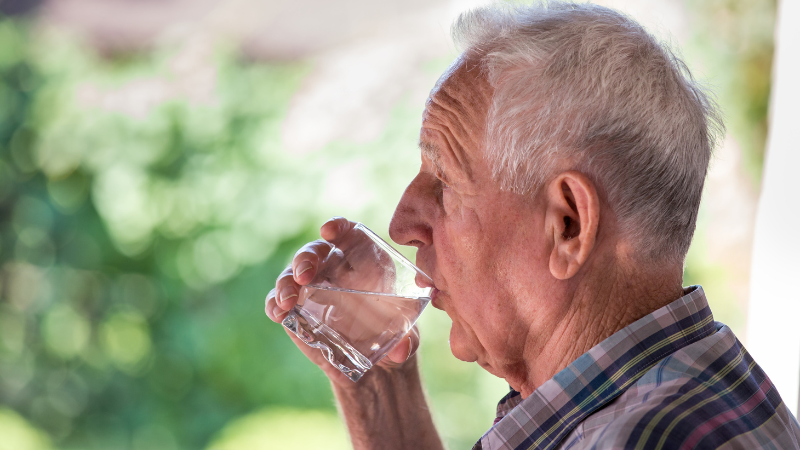
How Much Water Should Seniors Drink Each Day?

April 9, 2026Assisting Hands

Staying properly hydrated is essential at every stage of life, but for seniors, it plays an especially critical role in maintaining overall health and well-being. As the body ages, natural changes can make it harder to recognize thirst or retain fluids, increasing the risk of dehydration. This can lead to issues such as fatigue, confusion, urinary tract infections, and even more serious health complications. According to general health guidance from organizations like the CDC and Mayo Clinic, consistent fluid intake is key to preventing dehydration and supporting overall health in older adults.

So how much water should seniors actually drink each day? The answer isn’t always one-size-fits-all. Factors like activity level, medications, underlying health conditions, and even the weather can all impact hydration needs. In this blog, we’ll break down recommended daily water intake for seniors, signs of dehydration to watch for, and simple tips to help older adults stay properly hydrated and healthy.

Quick Takeaways: Senior Hydration

Most seniors should drink 7–13 cups (1.6–3 liters) of fluids per day, but needs can vary based on health conditions, medications, activity level, and climate. Because thirst signals weaken with age, drinking water consistently is essential. Monitoring for signs of dehydration and building simple hydration habits can help seniors stay healthy, energized, and reduce the risk of serious complications.

Why is Hydration Important for Seniors?

Proper hydration is a cornerstone of healthy aging. The importance of water for elderly individuals goes far beyond simply quenching thirst. It directly supports energy levels, cognitive function, and overall physical health. As people age, their bodies naturally contain less water, and the ability to conserve fluids becomes less efficient. According to UCLA Health, up to 40% of adults older than 65 experience chronic dehydration.

Water plays a key role in:

  • Supporting brain function and mental clarity
  • Preventing confusion and dizziness often mistaken for cognitive decline
  • Regulating body temperature
  • Supporting digestion and reducing constipation
  • Keeping joints lubricated for easier movement

Senior hydration is also essential for preventing urinary tract infections, kidney problems, and poor circulation. Maintaining proper fluid intake helps older adults stay independent, comfortable, and healthy.

How Aging Changes Hydration Needs

As we age, the body undergoes several natural changes that directly affect hydration. One of the most significant is a reduced sense of thirst. Many older adults don’t feel thirsty even when their body needs fluids, which increases the risk of dehydration.

Additional changes include:

  • Reduced kidney efficiency, affecting fluid balance
  • Increased fluid loss due to medications
  • Decreased muscle mass, which stores water
  • Chronic conditions that impact hydration

Because of these factors, seniors should drink water regularly throughout the day instead of relying on thirst alone.

Recommended Daily Water Intake for Seniors

When determining daily water intake for seniors, there isn’t a strict one-size-fits-all rule, but there are reliable guidelines.

Most health experts recommend:

  • 7–13 cups (1.6–3 liters) of fluids per day

However, individual needs vary based on:

  • Body size and gender
  • Activity level
  • Climate and environment
  • Medications and health conditions

It’s also important to remember that hydration doesn’t come from water alone. Milk, herbal teas, and water-rich foods like fruits and vegetables all contribute to overall fluid intake. By paying attention to these factors, seniors can better meet their hydration needs and maintain optimal health.

Recommended water intake for seniors - Assisting Hands Home care

What Are Signs of Dehydration in Seniors?

Recognizing dehydration early is essential for protecting the health and safety of older adults. Because symptoms can sometimes be subtle or mistaken for other age-related conditions, it’s important to understand dehydration symptoms seniors may experience and how to tell if an elderly person is dehydrated. Left untreated, dehydration can lead to serious complications, including infections, falls, and hospitalization.

Here are some of the most common signs of dehydration to watch for:

  • Fatigue or unusual tiredness
  • Confusion, forgetfulness, or difficulty concentrating
  • Dry mouth, lips, or skin
  • Dizziness or lightheadedness, especially when standing
  • Dry heaving
  • Dark yellow urine or reduced urine output
  • Headaches
  • Muscle cramps or weakness
  • Rapid heartbeat
  • Sunken eyes or a lack of skin elasticity

If any of these symptoms appear, it’s important to increase fluid intake and monitor the individual closely. In more severe cases, such as extreme confusion, fainting, or inability to keep fluids down, medical attention should be sought immediately. Understanding dehydration symptoms seniors face can help caregivers and family members take quick action and prevent more serious health issues.

What Factors Affect Water Intake in Older Adults?

While general guidelines provide a helpful starting point, several variables can influence individual hydration needs for seniors. Understanding these hydration factors for seniors is essential when determining appropriate daily fluid intake and maintaining overall health. Because every individual is different, water intake considerations should always account for lifestyle, environment, and medical background.

Key factors that can impact hydration include:

  • Health conditions: Chronic illnesses such as diabetes, kidney disease, and heart problems can affect how the body processes and retains fluids, sometimes increasing or limiting fluid needs.
  • Medications: Certain medications, such as diuretics, laxatives, or blood pressure drugs, can lead to increased fluid loss, raising the risk of dehydration if intake isn’t adjusted accordingly.
  • Environmental factors: Hot or humid weather can cause excessive sweating, while physical activity or exercise also increases fluid loss, requiring additional hydration to stay balanced.
  • Diet and nutrition: Diets low in water-rich foods or high in sodium can impact hydration levels and increase the need for fluid intake.
  • Mobility and accessibility: Seniors with limited mobility may drink less simply due to difficulty accessing water, making consistent hydration more challenging.

By recognizing these hydration factors for seniors, caregivers and older adults can make more informed decisions and adjust fluid intake as needed to support safe and effective hydration.

Dehydration in Seniors - Assisting Hands Home Care

Tips to Help Seniors to Stay Hydrated

Staying properly hydrated doesn’t have to be difficult, but it often requires consistency and a few simple habits. By following practical hydration tips for seniors, older adults can maintain healthy fluid levels and reduce the risk of dehydration. If you’re wondering how seniors can drink more water throughout the day, small adjustments can make a big difference.

Effective hydration tips include:

  • Drink small amounts of water throughout the day
  • Keep water within reach in frequently used areas
  • Set reminders to drink fluids regularly
  • Eat water-rich foods like watermelon, cucumbers, and soups
  • Add flavor to water with lemon or fruit
  • Drink fluids during meals and medication times
  • Include beverages like herbal tea or milk

By following these hydration tips for seniors, it becomes much easier to build sustainable habits and ensure proper hydration throughout the day.

How to Safely Track Daily Water Intake

Tracking daily fluids can help seniors stay consistent and avoid dehydration.

Simple tracking methods include:

  • Using a journal or checklist
  • Marking intake on a water bottle
  • Setting phone reminders
  • Using hydration apps

While tracking is helpful, balance is important. Drinking too little leads to dehydration, while excessive intake can cause imbalances, especially for seniors with medical conditions. Healthcare providers can offer personalized guidance for safe hydration.

Common Myths About Senior Hydration

There are many misconceptions surrounding hydration, especially for older adults. Understanding the truth behind these senior hydration myths can help prevent unhealthy habits and ensure proper fluid intake. Let’s take a closer look at some of the most common hydration myths and what seniors should really know.

Myth 1: “If I’m not thirsty, I don’t need water.”

This is one of the most widespread senior hydration myths. As we age, the body’s thirst signals become less reliable, meaning seniors may not feel thirsty even when they are already dehydrated. Relying solely on thirst can lead to inadequate fluid intake, which is why it’s important to drink water regularly throughout the day, regardless of how thirsty you feel.

Myth 2: “Caffeinated beverages dehydrate me completely.”

While caffeine can have a mild diuretic effect, it does not cancel out the fluids you consume. Drinks like coffee and tea can still contribute to overall hydration when consumed in moderation. However, they shouldn’t replace water entirely; balancing caffeinated beverages with regular water intake is key to maintaining proper hydration.

By debunking these myths, seniors and caregivers can make more informed decisions and build healthier hydration habits that support long-term well-being.

Get Daily Living Support From Professionals

Senior Home Care - Assisting Hands Home care

Staying properly hydrated is one of the simplest yet most important steps seniors can take to support their overall health, energy, and cognitive function. Consistency is key. Drinking small amounts of water regularly, incorporating water-rich foods, and monitoring intake can help seniors maintain proper hydration and avoid the risks associated with dehydration. By making these habits part of a daily routine, older adults can feel more energized, alert, and confident in their health.

Start tracking your water intake today to stay healthy and energized. For seniors who may need extra support with daily living, Assisting Hands Home Care – Hollywood offers personalized senior home care services to help maintain healthy routines and overall well-being. Our caregivers can help ensure that your senior loved ones drink enough water throughout the day, and we can monitor them for signs of dehydration so they can be properly addressed.

Call Assisting Hands Home Care at (954) 859-2271 for more information about our home care services in Hollywood, FL, and the surrounding areas of Broward County.


Senior Hydration FAQs

Can seniors drink too much water?

Yes, it is possible for seniors to drink too much water, a condition known as overhydration or water intoxication. While uncommon, excessive water intake can dilute essential electrolytes in the body, leading to symptoms like nausea, headache, confusion, and in severe cases, more serious complications. Seniors with certain medical conditions, such as kidney, heart, or liver problems, are particularly at risk, so it’s important to follow individualized guidance from a healthcare provider. Safe hydration is about finding the right balance, not just drinking as much as possible.

Does tea or coffee count toward daily water intake for seniors?

Yes, tea and coffee do contribute to overall hydration, despite their caffeine content. While caffeine has a mild diuretic effect, moderate consumption of these beverages still provides fluids that support daily water intake for seniors. However, it’s best to balance caffeinated drinks with plain water to ensure proper hydration and avoid potential side effects such as increased heart rate or sleep disturbances.

How much water should seniors with health conditions drink?

Water requirements for elderly individuals with health conditions can vary widely depending on the condition and medical advice. For example:

  • Seniors with kidney or heart disease may need to limit fluid intake to prevent strain on the organs.
  • Those with diabetes may need to increase fluids to help manage blood sugar and prevent dehydration.
  • Individuals taking diuretic medications may require additional monitoring of both fluid intake and electrolyte balance.

Because of these factors, it’s essential for seniors with health conditions to consult a healthcare provider to determine a safe and personalized daily water intake.

Tags: elderly care, senior health, senior tips
Previous post What Causes Bruising in Older Adults? Next post How to Lift an Elderly Person from a Seated Position

Related Articles

Activities for Elderly Dementia Patients

October 10, 2024Assisting Hands

How to Help Senior Parents Who Don’t Want Help

December 20, 2024Assisting Hands

Best Practices for Monitoring Your Elderly Parents Finances

July 24, 2023Assisting Hands

Call Us

New Clients: (954) 859-2271
Caregivers/Existing Clients: (954) 681-4430


5-Star Rated Home CareVeteran care logocertified LTC badge review-us-on-google

Services

  • In-Home Care
  • Alzheimer’s and Dementia Care
  • 24 Hour Home and Live-In Care
  • Non-Medical Home Health Care
  • Elderly Home Care
  • Respite Care
  • Companion Care
  • Overnight Care
  • Post-Operative Care
  • Senior Home Care
  • Veteran Home Care
  • Full List of Services

Serving Areas

  • Cooper City, FL
  • Coral Springs, FL
  • Davie, FL
  • Fort Lauderdale, FL
  • Hallandale, FL
  • Hollywood, FL
  • Lauderhill, FL
  • Tamarac, FL
  • Margate, FL
  • Miramar, FL
  • Parkland, FL
  • Pembroke Pines, FL
  • Plantation, FL
  • Weston, FL

Watch Our Videos

chat-icon

Sign Up for Our Newsletter

Read More
Facebook
Twitter
Instagram+
apache_pb

Download Our Brochure

Download
Home Care


assisting hands

Assisting Hands Home Care Agency provides elder care services and senior in home care services for families across the country.
HHA LIC #299994127

    • (954) 859-2271 | For Jobs (954) 681-4430
  • 9720 Stirling Rd #106, Hollywood, FL 33024

Veteran care logofran500 badge rankecertified LTC badge

COMPANY

  • Home
  • About Us
  • Home Care Services in Hollywood, FL
  • Contact Us
  • Franchise

Serving Areas

  • Hollywood, FL
  • Pembroke Pines, FL
  • Miramar, FL
  • Weston, FL
  • Hallandale, FL
  • Davie, FL
  • Cooper City, FL
  • Parkland, FL

legal

  • Hospital Readmission Penalties
  • Privacy Policy
  • Terms & Conditions
  • Accessibility Statement

© Assisting Hands® Home Care, LLC. All rights reserved.