

Maybe you’ve started noticing that your mom isn’t finishing her meals or your dad keeps saying he’s “just not hungry” when you call around dinnertime. At first, it may not seem like a big deal. But when smaller portions become a regular habit, and you notice your loved one losing weight, it’s natural to wonder what’s behind the change.
The short answer: Seniors often lose their appetite because metabolism slows, digestion takes longer, and taste and smell fade. Medications, dental pain, chronic illness, depression, loneliness, and trouble cooking are also common causes, and most can be treated once identified.
Appetite often changes with age, but that doesn’t mean every change should be brushed off. Some are related to normal shifts in the body, while others can point to medication side effects, health conditions, or emotional challenges that deserve attention. Knowing the difference can help you address the problem before it affects your loved one’s overall health.
For families in Hollywood and across West Broward County, understanding these changes is an important part of supporting an aging loved one. Let’s look at why seniors lose their appetite, which warning signs to watch for, and what you can do to make mealtimes more enjoyable and help your loved one get the nutrition they need.
Is It Normal for Seniors to Lose Their Appetite?
A little, yes. Metabolism slows with age and many people move less, so the body may simply need fewer calories than it used to. The stomach also empties more slowly, which means older adults often feel full sooner and stay full longer. According to UCLA Health, somewhere between 15% and 30% of older adults experience this age-related drop in appetite, which doctors call the “anorexia of aging.”
A smaller appetite on its own isn’t automatically a red flag. What matters is how much and how fast. If your loved one is eating noticeably less week after week, losing weight without trying, or seems to have lost interest in food altogether, something beyond normal aging is usually going on. The good news is that most of those causes can be found and addressed.
9 Common Reasons Seniors Lose Their Appetite
Appetite is controlled by the brain, the digestive system, hormones, and the senses all working together. When any of those shift, hunger can shift too. Here are the most common causes of the loss of appetite, and how each one gets in the way of a good meal.
1. Changes in Taste and Smell
Much of what we think of as flavor actually comes from smell. Both senses tend to fade with age, so food can start tasting flat, even a dish your loved one has enjoyed for decades. When her Sunday pot roast suddenly tastes like “nothing,” it’s hard to get excited about dinner. The National Council on Aging (NCOA) points out that some medications, including certain drugs for blood pressure, depression, and allergies, can dull taste even further. Sinus problems and some neurological conditions can also affect these senses.
2. Slower Digestion and Feeling Full Sooner
Digestion slows down as we age. Food stays in the stomach longer, so a few bites can leave someone feeling satisfied. Constipation, which becomes more common later in life, adds a heavy, bloated feeling that makes eating even less appealing. To a senior who fills up quickly, a big plate of food can look more like a chore than a meal.
3. Medication Side Effects
Many older adults take several prescriptions each day, and some of them can cause nausea, dry mouth, constipation, an altered or metallic taste, or simply a smaller appetite. Certain drugs, such as some diuretics, can also affect how the body absorbs nutrients.
If you suspect a medication is behind the change, please don’t stop or adjust it on your own. Bring a complete list of your loved one’s prescriptions, over-the-counter medicines, and supplements to their doctor or pharmacist and ask for a review. Sometimes a change in timing, dose, or drug makes a big difference.
4. Dental Problems and Difficulty Chewing
It’s hard to enjoy a meal when chewing hurts. Tooth pain, missing teeth, gum disease, and dentures that slip or rub can all make eating uncomfortable. Dry mouth, which is a common medication side effect, makes chewing and swallowing harder still. Many seniors quietly start avoiding crunchy fruits and vegetables or tougher meats, and their diet narrows without anyone noticing.
5. Difficulty Swallowing
Difficulty swallowing, known as dysphagia, affects an estimated 10% to 33% of older adults, according to NCOA. It’s more common after a stroke and in people living with Parkinson’s disease or Alzheimer’s disease. When swallowing feels hard or frightening, people naturally eat less to avoid it.
Watch for coughing or choking during meals, a wet or gurgled voice after eating, the feeling that food is getting “stuck,” or meals that take much longer than they used to. These signs need a medical evaluation because swallowing problems can raise the risk of choking and pneumonia. A doctor may refer your loved one to a speech-language pathologist, who can recommend safer food textures and eating techniques.
6. Chronic Illness and Other Medical Conditions
NCOA reports that nearly 93% of adults aged 65 and older have atleast one chronic condition, and many of these affect appetite. UCLA Health lists heart disease, stroke, Parkinson’s disease, cancer, and dementia among the conditions that can change appetite, energy needs, and weight.
Cancer and its treatments often cause nausea and fatigue. Heart disease and kidney disease can come with diet restrictions that make food less appealing, and they may leave a person feeling tired or full more easily. Parkinson’s can affect swallowing, digestion, and the hand coordination needed to use utensils. Dementia may cause someone to forget meals, lose track of whether they’ve eaten, or struggle to use a fork. In these situations, the person may want to eat but need help doing it.
7. Depression, Grief, and Anxiety
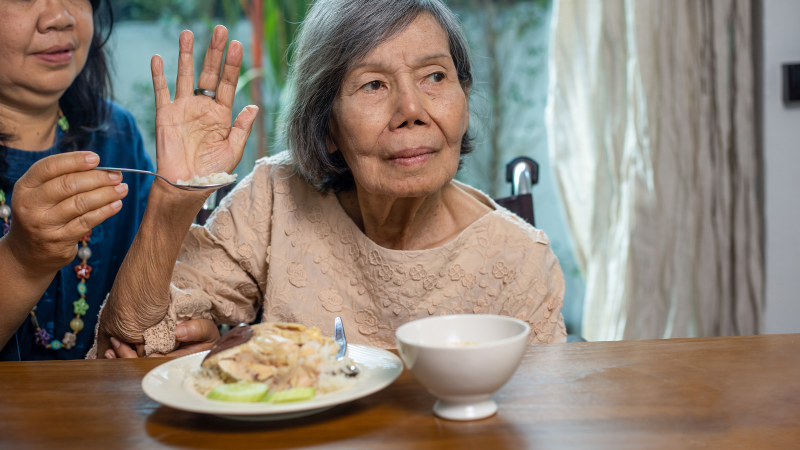
Emotions and appetite are closely connected. Depression is a well-known cause of poor appetite in older adults, and it’s easy to miss because a quiet, tired senior is often assumed to be “just getting older.” Grief after losing a spouse, sibling, or close friend can take away the desire to eat for weeks or months. Stress and anxiety can upset the stomach, too.
If your loved one has lost interest in activities they used to enjoy, is sleeping much more or less than usual, or seems hopeless, talk with their doctor. Depression in older adults is common, but it is also treatable.
8. Loneliness and Eating Alone
For most of us, meals have always been social. When someone who once cooked for a full house now eats alone at the kitchen counter, it’s easy to lose the reason to cook, or even to sit down. This is especially common after the loss of a spouse. UCLA Health notes that older adults who feel isolated and often eat alone may find less pleasure in eating. Over time, a few crackers and a cup of coffee can quietly become “dinner.”
9. Difficulty Shopping, Cooking, or Preparing Meals
Sometimes the issue isn’t hunger at all. It’s the work it takes to get food on the table. Arthritis can make chopping vegetables or opening jars and pull-tab cans painful. Fatigue or balance problems make it hard to stand at the stove for long. Seniors who no longer drive may not get to the grocery store often, so the fridge stays half-empty. And if hauling groceries in from the car in the Florida heat feels exhausting, it’s no surprise that a skipped lunch or a microwave meal wins out.
The upside is that this is one of the most fixable causes on the list, and a little hands-on help at home can go a long way.
What Happens When an Older Adult Does Not Eat Enough?
An occasional light day isn’t cause for concern. But when an older adult eats too little over weeks or months, the effects start to stack up:
- Unintentional weight loss: This is often the first sign families notice.
- Malnutrition and nutrient deficiencies: A person can be malnourished at any weight if they aren’t getting enough protein, vitamins, and minerals.
- Muscle loss, weakness, and frailty: UCLA Health notes that these changes raise the risk of falls and infections.
- Dehydration: Food supplies part of our daily fluids, and the sense of thirst often weakens with age, so eating less frequently means drinking less as well.
- Low energy: This makes everyday activities like bathing, dressing, and walking harder.
- Loss of independence: Seniors who have trouble eating also have greater difficulty staying independent at home.
These problems tend to feed each other. A senior who eats less becomes weaker. Weakness makes it harder to shop, cook, and even sit through a full meal, so they eat even less. Breaking that cycle early, before a fall or a hospital stay, is far easier than recovering from one.
When Should You Worry About Appetite Loss in Seniors?
Here’s a helpful rule of thumb. A slightly smaller appetite that stays steady and doesn’t affect weight or energy is usually something to bring up at the next checkup. A change that comes on suddenly, keeps getting worse, or shows up alongside other symptoms deserves a call to the doctor sooner rather than later.
Warning Signs to Watch For
Contact your loved one’s doctor if you notice any of the following:
- Unintentional weight loss, or clothes, belts, and rings that fit more loosely
- Eating much less than usual for several days or longer
- Ongoing fatigue, weakness, or dizziness
- Signs of dehydration, such as dark urine, dry mouth, headaches, or unusual sleepiness
- Nausea, vomiting, stomach pain, or constipation that doesn’t go away
- Trouble chewing or swallowing, including coughing or choking at meals
- New confusion or a sudden change in eating habits
Choking that doesn’t clear, trouble breathing, or sudden, severe confusion is an emergency. Call 911 right away.
How to Help Seniors Regain Their Appetite
There’s rarely one magic fix, but small, steady changes add up. These are practical steps adult children and family caregivers can start this week.
1. Offer Smaller, More Frequent Meals
Three large meals can feel overwhelming to someone who fills up fast. Try five or six smaller meals and snacks spread through the day instead, such as a scrambled egg and toast at breakfast, yogurt mid-morning, half a sandwich with soup at lunch, and so on. NCOA also suggests keeping regular meal and snack times, since a predictable schedule helps the body expect food and send hunger signals.
2. Serve Familiar Foods and Favorite Meals
Favorite foods carry memories, and memories can spark appetite. Make the dishes your loved one grew up with or always ordered at their favorite restaurant. Presentation matters, too. A colorful plate with a mix of textures is far more inviting than a pile of beige. If taste has faded, add flavor with herbs, spices, lemon, garlic, or a splash of vinegar instead of extra salt, especially if they’re watching their sodium.
3. Make Meals More Nutrient-Dense
When someone eats less, every bite should count. Lean on foods that pack protein and nutrients into small servings, like eggs, Greek yogurt, cottage cheese, nut butters, beans, fish, avocado, and whole grains. Small upgrades help; stir an extra egg into oatmeal, melt cheese over vegetables, or blend fruit and yogurt into a smoothie.
Every senior’s needs are different, so check with their doctor or a registered dietitian before making big changes, especially if your loved one has diabetes, kidney disease, or another condition with diet restrictions. They can also tell you whether nutrition shakes are a good fit.
4. Make Mealtimes Social
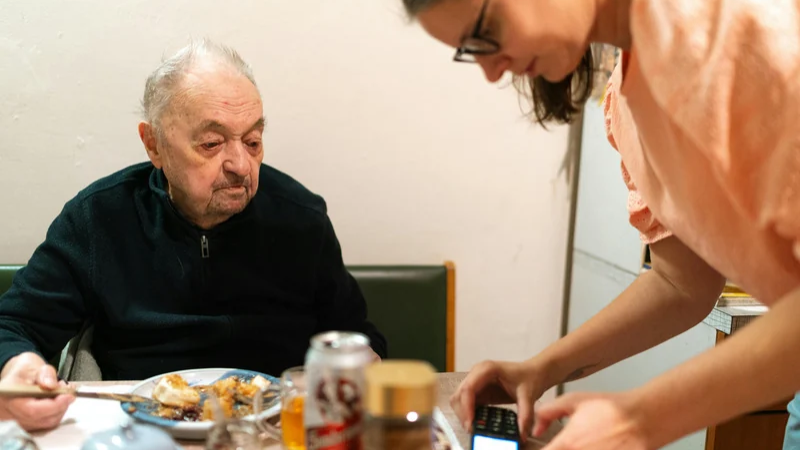
Company is one of the simplest appetite boosters there is. Join your loved one for meals when you can, even over a video call if you live far away. Invite them to help plan the menu or stir the pot, which gives them a sense of control and something to look forward to. Your local Area Agency on Aging can also point you to community group meal programs where older adults eat together.
5. Address Dental, Digestive, and Medication Issues
When a loved one pushes their plate away, it’s tempting to see it as stubbornness. More often, there’s a physical reason. Schedule a dental visit to check for painful teeth or poorly fitting dentures. Ask their doctor about constipation, nausea, or reflux, and request a medication review. Treating the underlying problem brings appetite back more reliably than any amount of coaxing.
6. Encourage Appropriate Activity and Hydration
Gentle movement, like a short walk, chair exercises, or a little gardening, can naturally stimulate hunger and help digestion. Fluids matter too, because dehydration can dampen appetite. In South Florida’s heat, seniors can lose fluids faster than they realize, so keep water within reach all day. Offer water, milk, soup, and water-rich foods like watermelon and cucumber throughout the day, but skip big drinks right before meals so your loved one doesn’t fill up on liquid. If they have heart failure, kidney disease, or another condition that limits fluids, follow their doctor’s guidance.
7. Keep Track of Eating Habits and Weight Changes
A simple log makes doctor visits much more productive. Jot down what and roughly how much your loved one eats and drinks each day, note symptoms like nausea or trouble swallowing, and check their weight once a week on the same scale at the same time of day. Patterns that are easy to miss day to day stand out on paper, and a doctor can do far more with specifics than with “Mom isn’t eating much.”
8. Adjust Mealtimes When Dementia Affects Eating
Memory loss changes how a person experiences a meal, so small adjustments can make a big difference:
- Serve one or two foods at a time instead of a full plate.
- Use plates that contrast with the food, like a dark plate under mashed potatoes, so it’s easier to see.
- Offer finger foods such as chicken strips, cheese cubes, or cut fruit when utensils become frustrating.
- Keep the table quiet and clutter-free, with the TV off.
- Sit down and eat alongside your loved one. Sometimes modeling each bite is all the cue they need.
How Can Home Care Help Seniors Who Are Not Eating Enough?
For many families, the hard part isn’t knowing what to do. It’s being there to do it, every day, at every meal. That’s where non-medical home care can help. At Assisting Hands Home Care in Hollywood, our caregivers support the everyday routines that make eating well easier:
- Meal preparation that reflects your loved one’s tastes and follows any diet instructions from their doctor, whether that means low-sodium dishes, diabetic-friendly meals, or softer foods.
- Grocery shopping and errands, so the kitchen stays stocked with fresh, nutritious options.
- Mealtime companionship. A caregiver who sits down, chats, and shares the table can turn a lonely meal into something to look forward to.
- Daily routine support, including regular meal and snack times, reminders to drink fluids, and medication reminders.
- A second set of eyes. Because caregivers see your loved one regularly, they often notice when meals go untouched or chewing seems harder, and they share those concerns with the family, so they reach the doctor sooner.
Care can range from a few hours a week to 24-hour support, and each care plan is adjusted as your loved one’s needs change.
Appetite Loss Near the End of Life
In the final stages of a serious illness, a fading appetite is often a natural part of the body slowing down. Pushing food at this point can cause discomfort rather than help. Focus on comfort, small tastes of favorite foods, sips of fluids, and gentle mouth care, and follow the guidance of their hospice care team.

Helping Your Loved One Enjoy Meals Again
A smaller appetite is part of getting older for many people. Steady weight loss, growing weakness, or a parent who no longer enjoys food is a different story, and it’s worth a closer look. Most causes, whether it’s a medication side effect, a sore tooth, or a quiet kitchen table, can be treated or eased once you know what’s behind them. Start with a conversation with their doctor, then focus on small changes at home that make meals easier and more enjoyable.
If your loved one could use a little extra help in the kitchen or at the table, we’re here for you. Assisting Hands Home Care provides elderly home care in Hollywood, FL and throughout West Broward County, including Pembroke Pines, Miramar, Davie, and Weston. Call us at (954) 859-2271 to schedule a free in-home consultation, and let’s talk about how we can help your loved one eat well and stay well at home.
Why Seniors Lose Their Appetite FAQs
Why do seniors lose their appetite as they get older?
Seniors often lose their appetite because metabolism slows, digestion takes longer, and taste and smell fade with age. Medications, dental problems, chronic illness, depression, loneliness, and difficulty cooking can also reduce appetite. In many cases, more than one of these factors is involved at the same time.
Is loss of appetite a normal part of aging?
A mild decrease in appetite is common, since older adults usually need fewer calories and feel full sooner. Eating significantly less, losing weight without trying, or losing interest in food is not a normal part of aging and should be checked by a doctor.
What causes sudden loss of appetite in the elderly?
A sudden drop in appetite can be caused by an infection, a new medication or dose change, constipation, dental pain, depression or grief, or a new or worsening medical condition. Because some of these need prompt treatment, report a sudden change in eating to the senior’s doctor quickly.
How can I encourage an elderly parent to eat more?
Offer smaller, more frequent meals, cook their favorite foods, and add flavor with herbs and spices. Choose nutrient-dense foods like eggs, yogurt, and nut butters. Eat with them when you can, encourage light activity, and ask their doctor to check for dental, digestive, or medication issues.
When should I be concerned about an elderly person not eating?
Be concerned if your loved one loses weight without trying, eats much less than usual for several days, seems weak, dizzy, or unusually tired, shows signs of dehydration, or has trouble chewing or swallowing. New confusion or a sudden change in eating habits is also a reason to call their doctor.
Can loss of appetite in seniors lead to malnutrition?
Yes. When appetite stays low for weeks or months, seniors may not get enough calories, protein, vitamins, and minerals. This can lead to malnutrition, muscle loss, weakness, and a higher risk of falls and infections. Paying attention to appetite changes early helps prevent these problems.
Are there medications that can increase appetite in seniors?
Doctors sometimes prescribe appetite stimulants for older adults, but these medications can have side effects and aren’t right for everyone. Most doctors first look for and treat the underlying cause, such as a medication side effect, depression, or dental pain. Talk with your loved one’s doctor about whether an appetite stimulant makes sense.
Do nutrition shakes help seniors who aren’t eating enough?
Nutrition shakes can help fill gaps in calories and protein when a senior can’t eat full meals. They work best as a supplement between meals rather than a replacement for food. Ask their doctor or a registered dietitian which type fits your loved one, especially if they have diabetes or kidney disease.

