
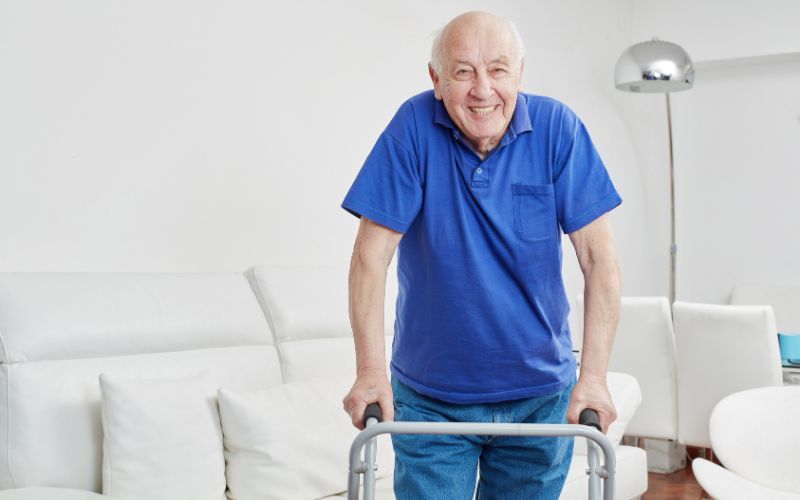
After a meal, it’s tempting to sit back and relax, but for older adults, a short walk can offer powerful health benefits. Post-meal walks are a simple, low-impact way for seniors to support digestion, regulate blood sugar, and maintain strength and balance. Even a gentle stroll can help keep joints flexible, muscles engaged, and energy levels steady throughout the day.
In this blog, we’ll explore why post-meal walks matter for seniors’ health and mobility, and how making this small habit part of a daily routine can support long-term independence and overall well-being.
1. Lowers Blood Sugar
The body digests carbohydrates from meals and turns them into glucose. Upon entering the bloodstream, the rising glucose signals to the pancreas to release insulin. This hormone signals other bodily cells to either store the blood glucose or use it for energy.
If blood glucose levels are too high, the excess causes damage over time, especially when the cells are unable to store it or use it quickly. The aging body’s pancreas tends to be more sluggish, responding with insulin at a much slower and weaker pace.
A post-meal stroll impacts glucose level, decreasing it by an average of 17 percent in comparison to unwinding on the couch. Blood glucose naturally spikes after eating, so working the muscles (which utilize stored glucose) during a walk afterward brings it down to healthier levels.
Walking after a meal helps blood sugar levels rise and fall more gradually. Post-meal walks also promote more stable insulin levels. Experts warn that large spikes and fast falls in blood sugar are harmful as they can increase the risk for diabetes and heart disease.
2. Enhances Mental Well-Being
Fresh air, companions, and green spaces are uplifting, and a walk provides all three. Seniors who take a walk after a meal improve blood flow to the brain, which enhances mental clarity and improves memory. Regular post-meal walks can, as a result, help delay the onset of age-related cognitive decline.
The wave of endorphins released by after-meal walks likewise brightens mood and creates a sense of emotional well-being. The chance to slow down and focus during a walk allows seniors to be more present, which turns physical movement into a stress-reliever.
Walking in the company of others, whether a friend, caregiver, or walking group, offers positive social health benefits. The post-meal walks with a companion or two encourage social interaction, fostering meaningful connection. As a result, the walks reduce loneliness and isolation.
3. Boosts Heart Health
The reduced spike in blood sugar also decreases stress on the aging heart. Gentle walks regulate blood pressure, increase circulation, and lower the senior’s risk of heart disease. High levels of triglycerides, a form of fat in the blood, increase heart attack risk. Walking after meals lowers them.
Engaging in low-impact activity, like walking, after meals burns calories. As a result, the elderly are better able to maintain a healthy weight and reduce strain on their heart. Seniors’ metabolism also gets a boost by walking after meals, further facilitating healthy weight management.
4. Improves Mobility
Exercise of any type is good for the aging body. Walking after meals is as beneficial, especially to improve mobility. The physical activity lubricates joints and strengthens muscles. Older adults with arthritis may notice less pain and stiffness as they walk and endorphins are released.
What Post-Meal Walking Tips Should Seniors Follow?
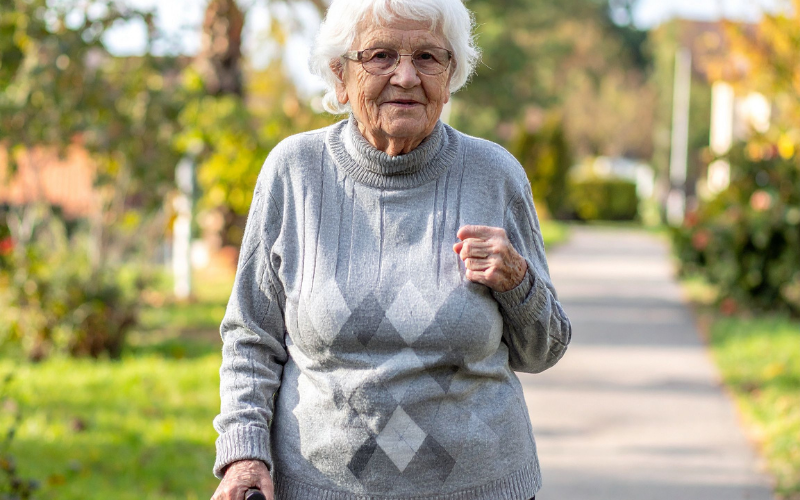
For blood sugar to lower after a meal, it needs to be elevated. Take a walk 30 minutes after a meal to give the body time to digest food and break it down into glucose. Walking too soon after a meal slows digestion and delays the rise in blood glucose.
Aim for 30 minutes of walking, though some studies suggest even five minutes of walking after a meal is helpful in reducing blood sugar levels. A meal containing more sugar, like a bagel with cream cheese, requires a longer period of exercise to bring the blood glucose levels down.
Light intensity exercise is akin to chatting with a friend while walking. Seniors are advised, however, to walk at a moderate pace to improve insulin sensitivity. A brisk pace is even more beneficial for maintaining a healthy weight and improving cardiovascular health.
Try walking after each meal for maximum health benefits. But if pressed for time, seniors should take a post-dinner walk. Evenings are when pancreatic function is at its lowest point, which makes it harder for aging bodies to clear glucose from the last meal of the day.
The blood glucose remains at a high level in the body throughout the night with an opportunity to do more damage. Although walking after every meal is ideal, older adults who are unable should prioritize walking after dinner. If walking isn’t possible, any physical activity offers the same benefits.
Elderly Care from Assisting Hands
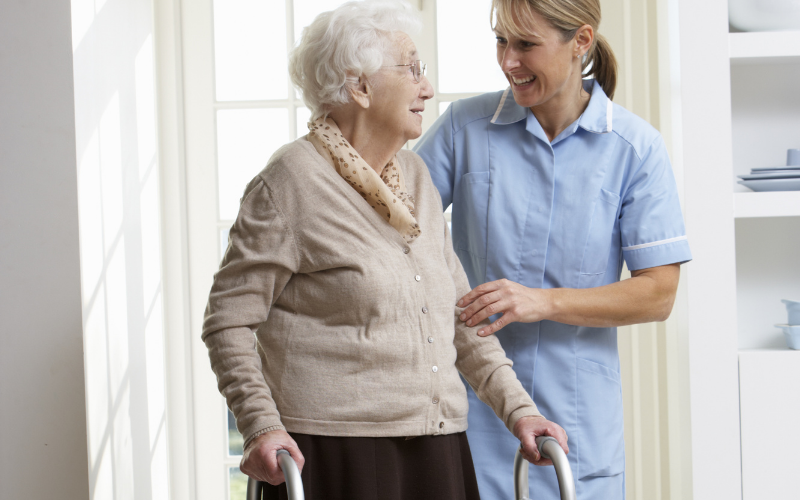
The benefits of walking after meals for seniors are numerous, supporting both physical health and overall well-being. For older adults who feel unsteady on their feet or prefer extra support, Assisting Hands Home Care provides dependable assistance that helps seniors remain physically, emotionally, and socially healthy.
Our caregivers offer mobility support tailored to each individual’s needs, whether that means safe guidance from room to room or assistance during a gentle post-meal walk around the block. They are trained in proper transfer techniques, ensuring seniors can move comfortably and safely from a bed to a chair or other seated positions.
In addition to mobility support, caregivers assist with daily essentials such as personal hygiene, medication reminders, and light housekeeping. We also help with grocery shopping and meal preparation, encouraging nutritious eating and proper hydration. Transportation and accompanied visits to the doctor’s office, senior center, or pharmacy are provided for added peace of mind.
Just as important, our caregivers are compassionate companions who keep seniors socially engaged through conversation, hobbies, enjoyable outings, and stimulating activities. During after-meal walks, caregivers offer friendly interaction and encouragement, turning a healthy habit into a pleasant routine. This companionship plays a vital role in reducing loneliness, isolation, and depression, helping seniors feel connected, supported, and uplifted every day.
Assisting Hands Home Care can help when the older adult in your life wants to improve their health or needs extra support at home. We proudly serve Park Ridge, Niles, Norridge, Harwood Heights, IL and the surrounding communities with compassionate, dependable elder care. Call at (847) 448-0844 today to schedule a free in-home consultation and learn how our high-quality senior home care can make a meaningful difference.

