
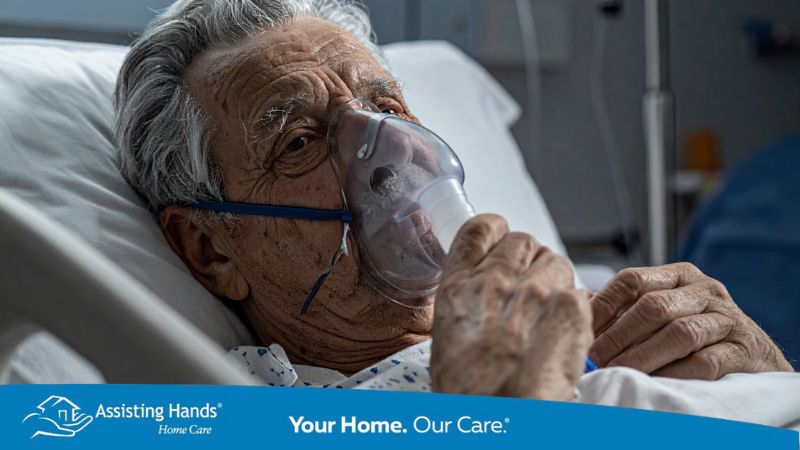
The holiday season should bring warmth, connection, and joy. Families gather, traditions are honored, and the comfort of being together feels especially meaningful for aging parents and grandparents. Yet this time of year also brings a reality many people do not expect. Hospitals experience a noticeable rise in older adults admitted between Thanksgiving and New Year’s. According to the Centers for Disease Control and Prevention, emergency departments see significant increases in fall injuries, respiratory infections, and medication related complications among adults over sixty five during this period. Families often find this surprising because the risks rarely appear all at once. They tend to build quietly in the background while the focus is on celebration.
Understanding why these hospital visits happen is the first step in preventing them. The holidays invite changes that disrupt routine. Homes become fuller and sometimes more cluttered. Seniors push themselves to participate even if their bodies are tired. Medication schedules shift. Crowded gatherings expose vulnerable individuals to illnesses. Emotional challenges can also surface, especially for older adults who have experienced loss or who feel disconnected in large family settings. All these factors combine to create a season that is both meaningful and unexpectedly demanding for older adults.
Why Hospitalizations Increase During the Holidays
The holiday season alters routines, expectations, and environments. For older adults, those changes can quickly add up.
- Routines shift and small problems are overlooked: Seniors who normally follow consistent schedules might stay up later, eat differently, or feel pressure to “keep up” with family activities. These changes can mask early signs of illness or overexertion.
- Decorated homes can create mobility hazards: Holiday décor is cheerful, but it can also introduce clutter, tripping risks, and obstructed pathways. Throw rugs, loose extension cords, and crowded rooms all increase fall risk.
- Infections spread more easily: More gatherings mean more close contact. Older adults are especially vulnerable to respiratory infections and urinary tract infections, which often escalate quickly.
- Medication mistakes spike: Travel, busy family schedules, or unfamiliar environments can interrupt medication routines. Missing doses or taking medications too closely together is one of the most common reasons seniors end up in the ER.
- Stress and fatigue take a toll: The holidays can be emotionally heavy for seniors, especially those who have lost loved ones. Fatigue, poor appetite, and mood changes can weaken overall health.
Hospitals see this every year, and families often don’t realize a minor issue was building long before the holiday gathering.
What Families Often Notice During Holiday Visits
Holiday gatherings offer rare in person opportunities to observe an older loved one’s daily habits and general well being. Families may notice changes they did not hear about on the phone. Some of the most important early signs to watch for include:
- A home that feels unusually cold or cluttered
- New bruises, stiffness, or hesitation when standing or walking
- Confusion, irritability, or lack of interest in usual conversations
- Medication bottles that appear untouched or nearly empty
- Difficulty navigating familiar areas of the home
- Fatigue after minimal activity or reluctance to participate
- Changes in appetite or hydration
- Subtle forgetfulness or disorientation
Practical Ways to Prevent Hospital Visits During the Holidays
We have some practical ways that you as family member or caregiver can take to prevent such issues.
Create a safer home environment before gatherings
Simple changes like clearing pathways, improving lighting, and moving decorations away from walking areas reduce fall risks significantly. Families should also make sure seating is sturdy and easy to get in and out of. If the gathering is in another home, communicate these needs ahead of time.
Maintain consistent medication routines
Choose one family member to help oversee medications during the visit. Use a clear medication organizer, check refill dates early, and keep medicines stored in one predictable location. This avoids double dosing or accidental omissions.
Encourage regular hydration and balanced meals
Holiday meals can be heavy and irregular. Many seniors do not drink enough water during family events because they are distracted or do not want to interrupt conversations. Keep water, tea, or broth near them at all times. Offer light, nutritious snacks throughout the day to maintain energy and support immune health.
Build in opportunities for rest
Older adults may feel guilty stepping away from activities, especially if family traveled far to be together. Invite them to rest often and reassure them that they do not need to keep pace with everyone else. Short breaks help prevent fatigue related falls, confusion, and illness.
Pay attention to early signs of infection
The earliest stages of an infection in older adults often show up as confusion, loss of appetite, or unusual behavior rather than cough or fever. Trust your instincts if something feels off. Early treatment can prevent a minor issue from becoming a hospital visit.
Protect emotional well being
Seniors may feel lonely in a full house if conversations move quickly or if they struggle to hear. Sit with them. Engage in one to one conversations. Ask about their memories or invite them to participate in holiday traditions in ways that feel manageable. Small moments of connection can improve mood and energy more than many people realize.
Consider short term home care support
Even a few hours a week of caregiver support can greatly reduce the risk of hospital visits. Caregivers notice subtle changes in mobility, appetite, hydration, and cognition that family might miss. They also help with tasks that become harder during the holidays such as safe bathing, meal preparation, errands, and medication reminders.
A Season That Should Be Spent at Home, Not in the Hospital
With the right preparation and attention to detail, the holidays can remain a joyful and meaningful time for seniors and their families. Small adjustments, thoughtful planning, and support from trained caregivers can make all the difference in helping older adults stay safe and comfortable. Every family deserves a holiday season filled with connection rather than trips to the emergency room, and every senior deserves to enjoy this time in the place where they feel most at ease.
For families supporting a loved one who has already experienced a recent hospitalization, learning how to manage the return home can make the difference between healing and another emergency. You can read more about this in our article on how to help seniors transition safely back home after a hospital stay.
Watch our Podcast Now By Our Care Manager: Robert Smith
When to Seek Extra Help
If your aging parent appears overwhelmed, fatigued, or unsteady during holiday preparations or gatherings, it may be time to bring in additional support. Waiting for a fall, an infection, or a medication error to happen only increases the chance of a hospital visit. Home care services are not only for long term situations. They can also provide much needed stability during the holiday season when seniors are most vulnerable.
Compassionate Holiday Support for Families in Westlake, North Olmsted, and the Greater Cleveland Area
Assisting Hands Home Care Westlake is here to help your loved one remain safe, comfortable, and confident at home throughout the holidays. Our caregivers support daily routines, monitor early warning signs, and offer the steady presence seniors often need when families are pulled in many directions.
If you are concerned about how your parent will manage the holiday season on their own, we would be honored to help.
Call Assisting Hands Westlake at 440-517-4623 to speak with our care team or to schedule a complimentary in home consultation.

