
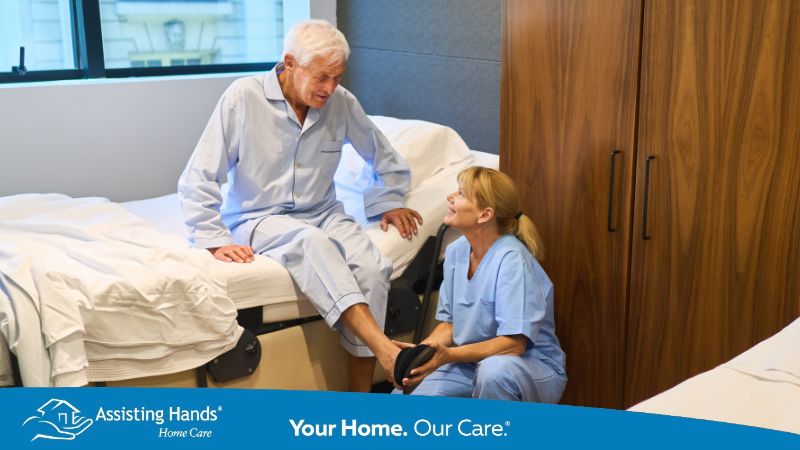
Seniors may be hospitalized due to a number of health conditions, from congestive heart failure to fall-related injuries. After being discharged and returning home, they require maximum support to facilitate their recovery and overall well-being. In this guide, we discuss how to help the elderly transition back home safely and comfortably.
Hospitalizations among seniors
The rate of hospitalization among the elderly increases with age. The National Institutes of Health reports that 13.2 million people aged 65 and over are hospitalized each year for medical conditions, surgeries and injuries. Mental health issues also lead to hospitalization in the aging population.
Congestive heart failure is the leading cause of hospitalization in the elderly. Furthermore, nearly one million older adults are hospitalized each year due to a fall-related injury, such as a hip fracture or head injury, per the Centers for Disease Control.
Why is the transition period from hospital to home crucial?
Older adults who complete treatment are eventually discharged from the hospital and return home. This transition is especially crucial in their recovery, as it is a high-risk period when complications can arise and functional decline ensues. Without proper support, hospital readmission can occur.
A lengthy hospital stay often leaves seniors physically and emotionally fragile. Physical weakness, such as muscle loss, reduced mobility, and fatigue, can lead to falls and infections. If their mental state causes confusion, they may take their medicines incorrectly, which can lead to dangerous drug interactions.
Stress also accompanies a prolonged hospital stay. Without the necessary support at home, the activities of daily living become overwhelming for the elderly. This combination of factors leads to a weaker immune system, a slower rate of healing and increased feelings of social isolation.
How do families ensure a successful transition back home?
Prior to discharge, the family should meet with the hospital’s discharge team to discuss the necessary medical equipment and support services. It’s essential to prepare the home to accommodate the senior’s care needs and arrange for in-home care from a reputable home care agency like Assisting Hands.
1. Communicate with the Discharge Team
Be clear about the discharge instructions before leaving the hospital. Ask the healthcare team or discharge planner for written instructions about the medication schedule, dietary restrictions, physical activity guidelines, and follow-up appointments. Learn what signs of health complications to watch for.
2. Gather Supplies or Equipment
Prior to the transition, the family must obtain the necessary supplies recommended by the senior’s healthcare provider. These may include mobility aids, such as a walker or cane. Be prepared to show the senior proper technique for using the cane, as incorrect use can lead to falls.
Supplies needed for their recovery at home include foods that meet their new dietary restrictions, clothing, and personal care items, such as incontinence products and supportive pillows. Compression socks may be advised by the doctor. It’s also important to keep a first aid kit handy for minor issues.
3. Prepare the Home
Modify the home to ensure it is senior friendly. Add grab bars to the bathroom, near the toilet and in the shower, to give the older patient extra stability on slick floors. Install motion-activated lighting in rooms and hallways to prevent the elderly from fumbling with the light switches.
Place items the senior uses frequently in accessible areas to eliminate the need for climbing and bending. This step reduces the risk for falls and increases their independence. Also remove trip hazards, such as loose rugs, electrical cords, and clutter, from walkways.
4. Set Up a Medication System
Obtain a pill organizer or dispenser to help the older person take their medications in the right doses and on schedule. Alternatively, utilize the services of a professional caregiver who provides timely medication reminders and prevents harmful medication interactions and other avoidable errors.
5. Serve Healthy Meals and Beverages
Unintended weight loss and malnutrition are common occurrences for seniors after a prolonged hospital stay. Optimum nutrition is critical for giving the aging body the nutrients it needs to accelerate the healing process and reduce the risk of health complications.
Serve balanced meals consisting of plenty of fresh fruits and vegetables, lean proteins, healthy fats, and whole grains. Promote daily hydration by giving the older adult non-caffeinated beverages, such as herbal teas and water. Develop a meal plan with a nutritionist for seniors with dietary restrictions.
6. Promote Mental Health
Arrange visits from friends and family to bolster the senior’s spirits and promote their emotional well-being. Encourage them to participate in hobbies or leisure activities and stay connected with their social circle. If signs of depression emerge, help them access a mental health counselor.
7. Schedule Physical Activities
Exercise is vital to recovery as it builds muscle strength and helps the senior regain mobility. After approval from the doctor, incorporate light exercise into the older person’s schedule. Gentle movements prevent stiffness and boost circulation. Seniors recovering from hip or knee surgery may need specialized guidance—learn more about home recovery after hip and knee surgery. Coordinate physical therapy sessions if prescribed.
8. Develop a Support Network
A family caregiver may not be able to support the senior alone. Building a strong social network allows the senior to receive consistent care while preventing burnout in the family caregiver. Rely upon family members, neighbors, or community resources, like home care agencies, for assistance.
9. Bring in a Home Caregiver
A professional caregiver can be a huge help when your loved one comes home from the hospital. They assist with daily tasks like getting dressed, moving safely around the house, preparing meals, and taking medications on time. Caregivers also watch for any changes in health, provide companionship, and give families peace of mind knowing someone is there to support recovery. Having a caregiver at home ensures seniors stay safe, comfortable, and on track during this important transition.
Post-Surgery or Transitional Care from Assisting Hands in Westlake, OH
Assisting Hands Home Care is a nationally recognized home care agency that offers compassionate, hands-on post-surgery care. Our licensed, bonded, and insured caregivers manage everyday care tasks to allow the older adult to rest and focus on their recovery in the comfort and familiarity of home.
Dedicated caregivers provide a comprehensive range of non-medical, in-home care services, such as healthy meal preparation and grocery shopping. We give timely medication reminders, assist with bathing, toileting, and dressing, and serve as pleasant companions to deter loneliness and social isolation.
From providing reliable transportation to doctors’ offices to helping the elderly change positions in bed, the caregivers from Assisting Hands Home Care fulfill the transitional care needs of seniors in Westlake, Ohio. Schedule a free in-home consultation today to learn more about our quality services.


