

Breathing difficulties and respiratory conditions can develop in older adults as they age. Unhealthy blood oxygen levels can cause several ailments, from stress to reduced energy levels and a compromised immune system. Fortunately, seniors can increase their blood oxygen levels.
Most adults require an oxygen saturation level of 97 to 100 percent. Seniors, however, may have lower levels; 95 percent is an acceptable level for people over age 70. Low oxygen in the blood can cause low oxygen in the bodily tissues—when this occurs; caregivers should call 911 immediately.
What Causes Seniors’ Oxygen Levels to Drop?
Seniors may develop low oxygen levels for a number of health reasons. Reduced lung elasticity, for instance, can cause this condition. Heart, lung, and brain diseases are also responsible for causing older people’s oxygen levels to drop. Anemia may trigger a drop in oxygen levels.
Examples of common lung diseases that can reduce oxygen levels include bronchitis, pneumonia, emphysema, pulmonary edema, and COPD. If the lungs become damaged due to trauma, the senior can also experience a drop in their oxygen levels. Severe asthma attacks can cause the condition.
A dangerous symptom of Covid-19 is a rapid drop in blood oxygen levels. Aging adults infected with the coronavirus can face acute breathing problems as a result. A blood oxygen saturation level that falls below 94 percent is highly unsafe, and their blood oxygen levels should be increased.
What are the Signs of a Lack of Oxygen?
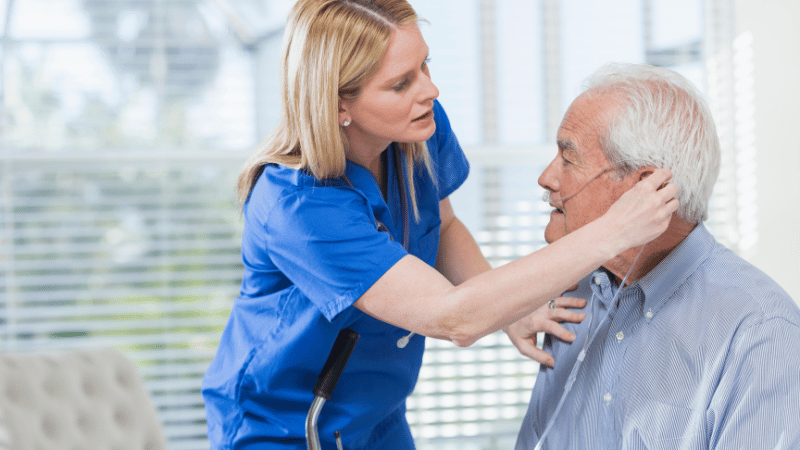
Extreme conditions can lead to a decrease in blood oxygen levels in seniors. Older adults who travel to high altitudes can experience the condition. Other extreme conditions that can cause it include exercise and illness. Certain signs indicate that seniors’ blood oxygen levels have dropped.
Aging people may experience shortness of breath after slight exertion or even at rest. Physically active seniors may develop worsened shortness of breath during exercise. Symptoms of sleep apnea (abrupt awakenings from sleep along with shortness of breath) are additional signs of a lack of oxygen.
Severe symptoms of a lack of blood oxygen should prompt emergency care. These symptoms include the sudden onset of severe shortness of breath that affects the senior’s ability to function. Plus, when severe shortness of breath is accompanied by a cough and a rapid heartbeat, seek medical care.
Does Drinking Water Increase Oxygen in the Body?
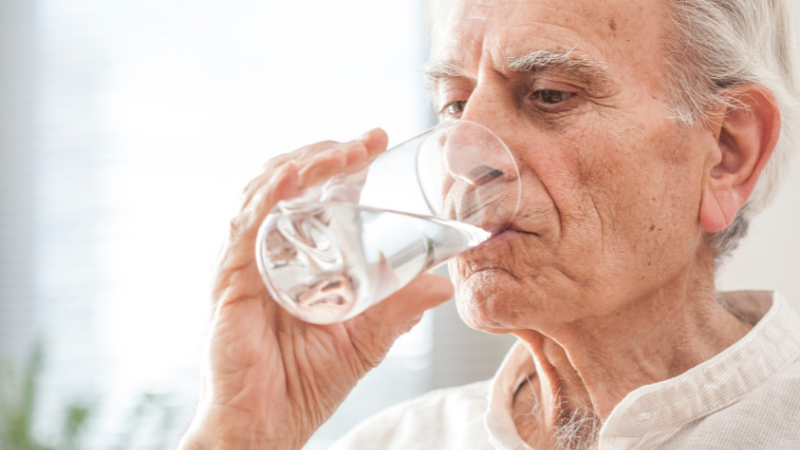
Staying regularly hydrated helps seniors maintain an optimal blood oxygen level. By drinking fluids like water, seniors hydrate their lungs, which increases their bodies’ ability to oxygenate and expel carbon dioxide. The immediate outcome is an improved oxygen saturation level.
The quantity of water that older adults are advised to drink is important. Drinking eight cups of water per day is shown to improve aging adults’ blood oxygen levels by up to five percent. Further benefits of daily hydration include body temperature regulation and enhanced immunity.
What Foods Help Put Oxygen in the Blood?
Daily nutrition plays an important role in increasing blood oxygen levels in seniors. Foods high in antioxidants help maintain oxygen levels in aging bodies. Blueberries, pomegranates, strawberries, plums, and blackberries are fruits that are high in antioxidants and therefore recommended.
Seniors should consume foods rich in iron and nitrates to increase the supply of oxygen throughout their bodies. Iron-dense foods include poultry, fish, and legumes. Eating a healthy diet consisting of foods like these strengthens blood cells in the aging body.
Vitamin-rich foods also include leafy vegetables, cauliflower, cabbage, and sprouts. Nuts, like almonds, and seeds, like flax seeds, that are high in vitamin B12 and folic acid help complete the assimilation of iron in the blood, which increases the body’s ability to carry oxygen.
Beets are a highly nutritious vegetable, being a significant source of fiber, vitamin B9, potassium, iron, and vitamin C. The iron and folate content in beets helps the aging body develop nitrates, which increases the level of oxygen absorption in the blood.
While drinking fluids regularly throughout the day and consuming a balanced diet increases blood oxygen levels, breathing in fresh air also helps. Seniors are advised to go outside for a walk with a caregiver to increase the amount of oxygen that their bodies bring in.

Similarly, older adults can practice breathing exercises to increase their blood oxygen levels. Simple exercises, like pursed lip breathing or deep belly breathing, open airways and increase the level of oxygen in the blood. These are natural ways for seniors to increase their oxygen intake.
Oxygen is essential to a senior’s overall functioning. When levels drop, caregivers should be concerned. Using a pulse oximeter at home can help seniors check their blood oxygen saturation levels. A healthcare provider can also apply the pulse oximeter to conduct the test.
Staying hydrated, eating nutritiously, and getting plenty of exercise can help seniors increase their blood oxygen levels. When your elderly loved one could use extra support to maintain their health, choose Assisting Hands Home Care for the best quality in-home care.
Our professional caregivers are dedicated to promoting the physical and emotional health of our elderly care recipients. We provide a wide range of non-medical care services, such as medication reminders, light housekeeping, meal preparation, transportation to doctors’ offices, and personal care assistance.
We also provide companionship to ease the loneliness and social isolation that older adults, especially those who live alone, often feel. Caregivers are instrumental in ensuring seniors stay hydrated, eat nutritiously, and visit the doctor when symptoms of an illness develop.
Our home care agency offers flexible care services that are customized to meet the specific care needs of older adults. We provide respite care, post-hospitalization care to accelerate recovery, and compassionate dementia care for seniors with Alzheimer’s disease, among many other services.
Seniors are our number one priority, and the elder care services from Assisting Hands Home Care gives care recipients an opportunity to age gracefully at home. We serve older adults living in Westlake, Ohio, and the surrounding communities. Call us today at (440) 517-4623 to start reliable senior home care.
Oxygen Levels in Seniors FAQs
What is a normal oxygen level for a 70 year old person?
A healthy oxygen saturation level for most adults, including those in their 70s, falls between 95 and 100 percent when measured by a pulse oximeter. As people age it is not uncommon to see readings closer to 95 percent, which is still considered within a normal range. Anything consistently below 95 percent is worth discussing with a doctor, and a reading below 90 percent is generally considered low enough to warrant medical attention. Keep in mind that certain health conditions common in older adults, such as COPD or heart disease, can affect what a normal baseline looks like for a specific individual.
What is the drink to increase oxygen?
No single drink directly increases blood oxygen levels in a meaningful clinical sense, but staying well hydrated supports healthy circulation and helps the blood carry oxygen more efficiently throughout the body. Water is the most important. Some people point to drinks rich in iron or nitrates, such as beetroot juice, as supportive for circulation and oxygen delivery, and there is some research suggesting beetroot juice may modestly support cardiovascular function. Green juices containing iron-rich vegetables like spinach may also support overall blood health. That said, if low oxygen levels are a concern, hydration and diet alone are not a substitute for medical evaluation.
Should I go to the hospital if my oxygen level is 92?
A reading of 92 percent sits in a range that warrants attention. For most healthy adults it would be considered below normal, though for someone with a chronic lung condition it may be closer to their typical baseline. If the reading of 92 percent is new, unexplained, or accompanied by symptoms like shortness of breath, confusion, chest discomfort, or a bluish tint around the lips or fingertips, seeking medical attention promptly is the right call. If you are unsure, calling a doctor or nurse line first is a reasonable step. For elderly individuals living alone or with limited supervision, erring on the side of caution is always wise.
Can Vitamin D help increase oxygen levels?
Vitamin D does not directly raise oxygen saturation levels, but there is growing research suggesting that adequate Vitamin D plays a role in supporting lung function and respiratory health. Vitamin D deficiency is very common in older adults and has been linked to increased respiratory infections and poorer lung performance over time. Correcting a deficiency through supplementation or diet may support overall respiratory health, but it should be seen as part of a broader approach to wellness rather than a direct treatment for low oxygen levels. Anyone concerned about their Vitamin D levels should speak with their doctor about testing and appropriate supplementation.
What to eat if your oxygen level is low?
Diet can support the body’s ability to carry and use oxygen effectively even if food cannot directly raise oxygen saturation in the way supplemental oxygen can. Iron-rich foods are particularly important because iron is essential for hemoglobin, the protein in red blood cells that carries oxygen through the body. Good sources include lean meats, leafy greens like spinach and kale, beans, and fortified cereals. Foods high in antioxidants such as berries, citrus fruits, and vegetables support lung health and reduce inflammation. Staying well hydrated, limiting processed foods, and maintaining a balanced diet all contribute to better cardiovascular and respiratory function over time. For seniors with persistently low oxygen levels, working with a doctor or dietitian to address any underlying nutritional deficiencies is an important step.
How long can elderly live with low oxygen levels?
This depends heavily on the cause and severity of the low oxygen levels and the overall health of the individual. Chronic low oxygen, known medically as hypoxemia, puts significant strain on the heart, brain, and other vital organs over time and can accelerate the progression of existing conditions. When low oxygen is related to a serious underlying illness such as advanced COPD, heart failure, or late stage cancer, it may indicate that the body is under significant stress. In acute situations, severely low oxygen levels can become life threatening within minutes without intervention. For elderly individuals experiencing ongoing low oxygen levels, close medical monitoring, appropriate treatment, and attentive daily care at home are essential to maintaining quality of life and preventing further decline.

