

As caretakers, it’s important to understand the long-term impact that a fractured hip can have on seniors. Depending on the severity of their injury, there is always potential for them to make significant recoveries—sometimes regaining mobility and even walking again. But before they are able to start rehabilitation, it’s essential to ensure they receive proper medical attention and treatment following their fractures. In this blog post, we will discuss how broken hips in seniors can be treated so that those affected may begin training themselves to walk once more. We will also touch upon any additional physical therapy interventions needed for maximum recovery results.
Hip fractures can have a significant impact on older adults, up to 50 percent of whom may struggle with completing their activities of daily living following such an injury. Tasks such as bathing, feeding, and dressing oneself, can become a significant challenge for individuals who have suffered through a hip fracture. Additionally, the physical limitations that come with such an injury can cause an extensive decline in an older adult’s quality of life, with as many as 20 percent ending up in long-term care facilities after having a hip fracture. As senior care providers, it is important to understand and address the difficulties that stem from hip fractures in older adults to provide the best possible care and ensure their overall well-being.
If your loved one has recently suffered a hip fracture, there is some positive news: rehabilitation is possible with the right targeted efforts. When working to help a senior regain mobility and function following a hip fracture, here are five things you should keep in mind:
Surgery and Rehabilitation
The first step in the process is surgery. Most seniors with a fractured hip require surgery to repair the broken bone. Once the surgery is complete, the patient will have to go through rehabilitation, which can include physical therapy, occupational therapy, and pain management. The goal of rehabilitation is to help the patient regain strength, flexibility, and mobility in the hip joint.
Assistive Devices
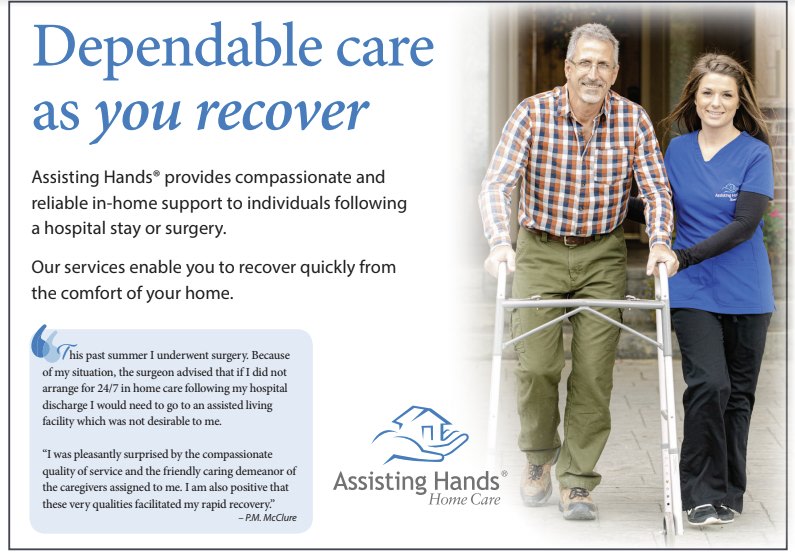
Assistive devices can help make walking easier and less painful for seniors who have recently fractured a hip. Crutches and walkers are designed to take some of the weight off the hip joint and provide stability while moving around. However, it’s important for seniors to work with a physical therapist to learn how to use these devices safely and effectively. With the help of a trained professional, seniors can regain their mobility and independence, improving their overall quality of life.
Exercise
Exercise is a vital component of the rehabilitation process, particularly for seniors. As we age, our muscles and joints can become weaker, making it challenging to move with ease. However, exercising the muscles in the hip and leg can help seniors regain strength and mobility. Specific exercises, such as leg lifts, squats, and lunges, can target these muscles and facilitate recovery. Additionally, seniors may find aquatic therapy beneficial, as the water’s resistance can strengthen the hip joint. Exercise may seem daunting, but with proper guidance from a healthcare professional, it can greatly help seniors improve their quality of life and contribute to fall prevention in the future.

Diet and Nutrition
Maintaining a healthy diet is crucial for seniors who have recently fractured a hip. It is essential to fuel the body with the necessary nutrients it needs to repair and rebuild bone tissue. Adequate protein, calcium, and vitamin D intake are necessary to support bone health. For seniors, this means incorporating foods such as lean meats, dairy products, leafy greens, and fatty fish into their diet. Additionally, it may be beneficial for seniors to consider taking supplements to further support and strengthen their bones. With a focus on proper nutrition, seniors can enhance their recovery and overall well-being.
Patience and Persistence
Hip fractures are a common injury among seniors, and the road to recovery can be long and arduous. It’s important for seniors to remain patient during the rehabilitation process and stay dedicated to their recovery goals. While progress may be slow at times, with persistence and hard work, most seniors can start to regain their mobility and independence. It’s understandable that frustration may creep in from time to time, but the goal should always be to focus on the small victories and stay committed to the overall journey. Whether it takes several months or a year, the end result of regaining independence is well worth the effort.
A fractured hip can be a daunting injury for seniors, but it is not a life sentence. Seniors can walk again after suffering a fractured hip, but it will take time and effort. Surgery, rehabilitation, assistive devices, exercise, diet, and patience are all essential elements of the recovery process. Seniors who are recovering from a fractured hip should work closely with their senior care team and be willing to put in the effort to regain their independence. With the right mindset and support, many seniors can walk again after a fractured hip.
At Assisting Hands Home Care, we can help seniors who are prone to falling with transfer assistance to ensure that they move around the home safely. Our caregivers can help your loved ones in and out of bed and keep walkways clear of tripping hazards. Our senior home care services are ideal for reducing the risk of falling.

