
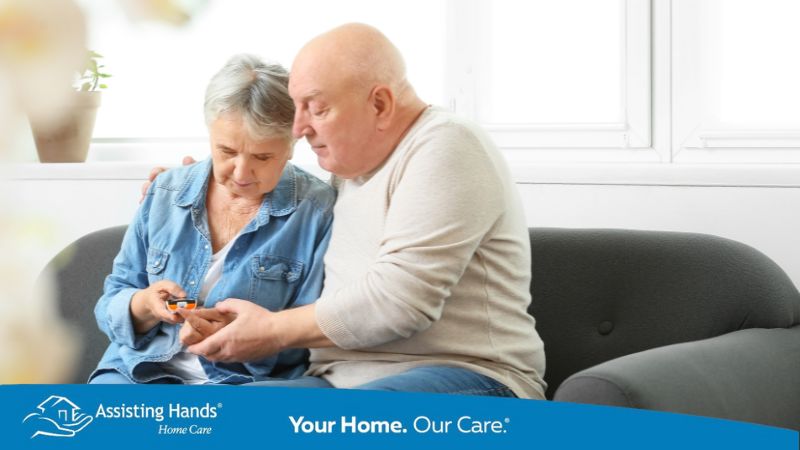
Diabetes is a condition that touches many lives, especially those of older adults. Nearly one in three people over the age of 65 lives with this condition. It can feel challenging at times, but with the right care and guidance, seniors can live healthy, happy, and full lives. This guide is here to help seniors and their families understand diabetes and find ways to manage it day by day.
Understanding Diabetes in Later Life
As we grow older, our bodies change, and managing diabetes can become more difficult. The body may respond more slowly to insulin, metabolism can change, and other health conditions may make daily care harder. Memory challenges or taking several medications can also add extra difficulty. With careful attention and the right guidance, these challenges can be handled with confidence. According to recent studies, seniors who focus on both their physical health and emotional well-being often experience better results and enjoy a higher quality of life.
What Are Early Warning Signs of Diabetes in Seniors
It is important for seniors to pay attention to changes in their bodies, as these can be early signs of unbalanced blood sugar. Common symptoms include frequent urination, feeling unusually tired, blurred vision, wounds that heal slowly, and sudden changes in weight. Even subtle changes, such as tingling in the hands or feet, unusual thirst, or swelling, can provide important clues.
5 Practical Steps to Manage Diabetes In Eldelry
Taking care of diabetes as we grow older can be simpler than it seems when we focus on a few daily steps. These practical tips will help seniors stay healthy and active.
Regular Blood Sugar Checks
Keeping track of blood sugar levels is very important because it is not just about numbers, it is about understanding how daily life affects the body. Food, activity, stress, and medications all play a part in changing blood sugar. Using a home glucose monitor and keeping a simple log can help seniors notice patterns and make careful adjustments when needed.
Balanced Diet and Nutrition
Food provides both nourishment and comfort, and seniors benefit most from meals full of vegetables, whole grains, lean proteins, and healthy fats because these foods help keep blood sugar steady and energy strong. While it is wise to limit processed foods and sweet treats, mealtime should also bring enjoyment rather than stress, and working with a dietitian can help create meals that are both healthy and satisfying.
Physical Activity
Exercise is not meant as punishment, it is meant to bring strength and energy, and gentle walks, stretching, light yoga, or swimming can improve how the body uses insulin, lift the mood, and keep the body strong. The best kind of movement is the one that brings joy, whether it is a walk in the neighborhood park or dancing to a favorite song at home.
Mindful Medication Management
For many seniors, medications are an important part of managing diabetes, and taking them as directed while understanding their purpose and watching for side effects helps keep them effective and safe. Regular visits with healthcare providers are also necessary because doses may need adjustment or new treatments may be explored.
Emotional and Social Support
Diabetes affects more than the body because it can touch the heart and mind as well, and loneliness or worry can make health harder to manage. Reaching out to family, friends, or support groups can bring comfort and connection, and even small daily interactions such as sharing a meal, having a conversation, or enjoying a hobby together can make a meaningful difference.
Does Staying Hydrated Helps With Diabetes?
Water is essential for seniors living with diabetes. It carries nutrients through the body, helps the kidneys process extra sugar, and supports both heart and mental health. When blood sugar is high, the body loses water faster, which can cause fatigue, dizziness, or imbalance. Drinking regularly helps keep blood sugar steady and supports energy and overall wellbeing.

For most seniors managing diabetes, six to eight glasses of water a day, about one and a half to two liters, is a good guideline. This is slightly more than what many adults typically drink and helps replace the extra water lost when blood sugar rises. Simple habits like keeping a water bottle nearby, taking small sips throughout the day, and drinking with meals make hydration easier and more consistent, helping the body stay balanced and alert.
Home Care For Seniors With Diabetes in Westlake, Ohio
Assisting Hands Home Care in Westlake, Ohio, helps seniors living with diabetes enjoy life at home with support they can rely on. Our home care team prepares nutritious meals that help maintain steady blood sugar, assists with medications, encourages gentle movement, and ensures hydration throughout the day. We also provide companionship and guidance so your loved one never feels alone. Each day, we focus on making home life safer, healthier, and more comfortable. Call us at 440-517-4623 to learn how our team can support your loved one with diabetes while staying in the comfort of their own home.