
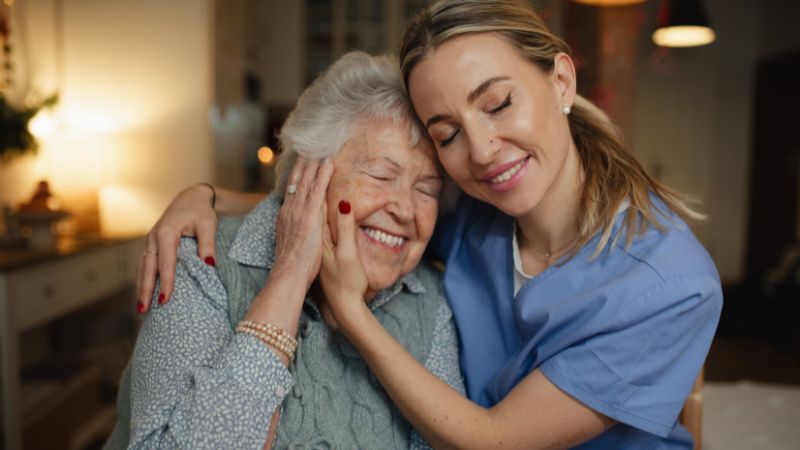
Loneliness and depression in seniors are more common than many families realize. Understanding the signs of depression in older adults and how companionship helps can make a meaningful difference, especially for families seeking support in Arlington Heights and nearby areas.
What are signs of depression in seniors?
Depression in seniors may include withdrawal, fatigue, changes in sleep, irritability, and a loss of interest in activities they once enjoyed. These symptoms are often subtle and can be mistaken for normal aging.
I remember one of our very first caregivers saying,
“I’m not here just to meet her physical needs, I’m here for her emotional needs too.”Most clients won’t admit they need companionship. Like any relationship, it feels scary, and maybe a little uncomfortable at first. Before long, you can’t imagine your life without that person. The same is true for our caregivers. They are a fresh set of ears to hear stories for the first time, or just a familiar face to anchor and give routine to the week.
–Daniellah, Owner of Assisting Hands Home Care, Arlington Heights,IL
As our loved ones age, life naturally begins to change. Social circles may grow smaller, routines shift, and everyday activities can become more challenging. While these transitions are a normal part of aging, they can also lead to something deeper—loneliness and, in many cases, depression.
For families, this can be difficult to recognize. Depression in seniors doesn’t always look the same as it does in younger adults. It may show up as withdrawal, fatigue, irritability, or a loss of interest in things they once loved. Because of this, it’s often overlooked or mistaken as simply “part of getting older.”
But here’s the truth: depression is not a normal part of aging, and one of the most powerful ways to combat it is through meaningful companionship.
Understanding the Link Between Loneliness and Depression in Seniors
Loneliness and depression often go hand in hand, especially for seniors. Major life changes such as retirement, the loss of a spouse, or health limitations can significantly reduce daily social interaction. Over time, this lack of connection can take a serious toll on emotional and mental well-being.
Humans are naturally social. We thrive on conversation, shared experiences, and feeling seen and heard. When those connections fade, older adults may begin to feel isolated, which can increase the risk of depression, anxiety, and even cognitive decline.
According to the National Institute on Aging, social isolation is linked to higher risks of depression and cognitive decline in older adults.
For many families, the challenge isn’t a lack of care, it’s a lack of time. Between work, children, and other responsibilities, it can be difficult to provide the level of consistent interaction that aging loved ones truly need.

The Power of Companionship for Seniors
Companionship goes far beyond simply “keeping someone company.” It’s about building a genuine connection—one that brings comfort, joy, and a sense of belonging.
We often find that even those who say they don’t need help are the same ones waiting by the window for their caregiver to arrive. In the office, we help make this companionship fun by adding craft kits they can bring to their clients and even events for caregivers and clients to attend together.
A friendly face and a familiar voice can:
- Lift mood and reduce feelings of loneliness
- Encourage conversation and mental stimulation
- Restore a sense of routine and normalcy
- Provide emotional reassurance and support
Even the smallest interactions can make a big impact. Sharing a story, laughing over a memory, or enjoying a quiet moment together can help seniors feel more connected and less alone.
Consistent companionship also gives seniors something to look forward to. That sense of anticipation knowing someone will be there can brighten their entire day.
What Meaningful Companionship Looks Like
Companionship doesn’t have to be elaborate or structured. In fact, it’s often the simple, everyday moments that matter most.
This can include:
- Sitting together and having conversation
- Playing cards, games, or working on puzzles
- Taking a walk or enjoying fresh air
- Watching a favorite show or listening to music
- Engaging in hobbies like knitting, cooking, or gardening
- Looking through photo albums and reminiscing
These activities not only provide enjoyment but also help stimulate the mind and strengthen emotional well-being.
Most importantly, companionship is about presence. It’s about truly listening, showing interest, and making someone feel valued.
The Role Families Play in Supporting Seniors
Families play a vital role in supporting the emotional health of their aging loved ones. Even small efforts to stay connected can make a meaningful difference.
Some simple ways to help include:
- Scheduling regular visits or phone calls
- Encouraging participation in community or social activities
- Involving seniors in family events and conversations
- Checking in on their emotional well-being, not just physical health
- Choosing to spend quality over quantity of time (caregivers can help!)
However, it is important to acknowledge that family members can’t always do it all—and that’s okay.
When consistent companionship isn’t possible, professional companion care services can provide the support seniors need. Having a dedicated caregiver who offers regular interaction, conversation, and engagement can greatly reduce feelings of isolation and help improve overall quality of life.
A Brighter, More Connected Future
Aging does not have to mean isolation. With the right support, seniors can continue to live fulfilling, connected, and emotionally healthy lives.
Companionship reminds them that they are not alone. It shows them they are valued, heard, and cared for. It brings light into their daily routines and helps restore a sense of purpose and joy.
For families, providing or arranging companionship is one of the most meaningful ways to support a loved one’s well-being. At the end of the day, it is often the simplest things, a smile, a conversation, or a shared moment, that have the greatest impact.
Most of all, a caregiver’s presence is what truly matters. It is not necessarily something they say or do, but simply being there and sharing space that makes the difference. It is safe to say there is no fear of robots replacing this level of care. Our caregivers are invaluable companions who bring an irreplaceable human touch.
Their friendly faces truly do matter. Sometimes, that alone can make all the difference.
Get Trusted In Home Companion Care in Arlington Heights and Nearby Areas
If you or a loved one are considering in home companion care, Assisting Hands Home Care Arlington Heights is ready to help. We provide help seniors stay socially active and make sure they never feel lonely or are left alone.
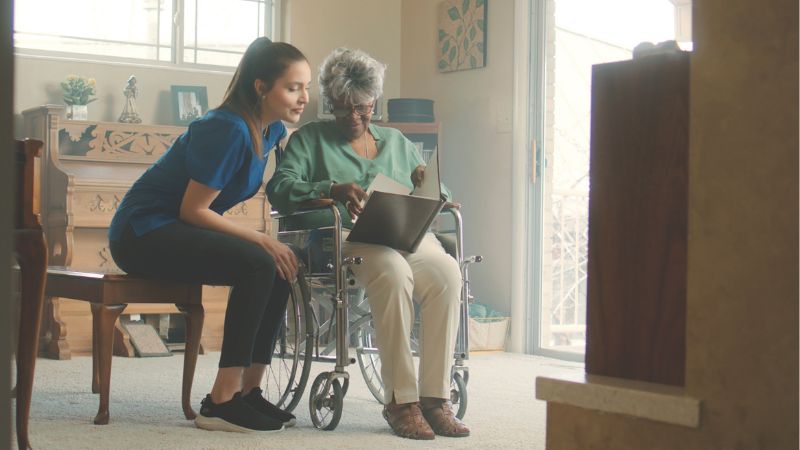
We proudly serve Arlington Heights and nearby communities including Mount Prospect, Wheeling, Glenview, Prospect Heights, and more. Call us today at 847 499 1307 to learn more about our compassionate care.
FAQs
What is the most common mental illness in the elderly?
Depression is the most common mental health condition among older adults. It often goes undiagnosed because symptoms can appear differently than in younger people and may be mistaken for normal aging.
What is the most effective treatment for depression in older adults?
The most effective treatment for depression in older adults is typically a combination of therapy, social support, and, when appropriate, medication. The right approach depends on the individual’s health, lifestyle, and the severity of symptoms.
Common treatment options include:
- Talk therapy (such as counseling or cognitive behavioral therapy) to address negative thought patterns
- Medication (like antidepressants) when prescribed and monitored by a healthcare provider
- Increased social interaction and companionship, which can reduce isolation and improve mood
- Regular physical activity and routine, which support both mental and physical health
For many seniors, consistent companionship and emotional support play a key role alongside medical treatment. Reducing loneliness and staying engaged in daily life can significantly improve overall well-being.
What to say to an elderly person who is depressed?
Start by listening with empathy and letting them know they are not alone. Simple, sincere words can make a meaningful difference.
Here are a few helpful things you can say:
- “I’m here for you, and I care about how you’re feeling.”
- “You don’t have to go through this alone.”
- “It’s okay to feel this way. I’m here to listen.”
- “Would you like to talk about what’s been on your mind?”
- “Let’s spend some time together. I’d really enjoy that.”
The goal is not to fix everything, but to offer comfort, presence, and reassurance. Avoid dismissing their feelings or rushing to give solutions. Instead, focus on being patient, supportive, and understanding.
How to motivate a depressed elderly person?
Start with small, gentle encouragement and focus on connection rather than pressure. Suggest simple activities like a short walk or conversation, offer choices instead of demands, and celebrate small efforts. Consistent companionship and patience can help them feel more engaged over time.

