
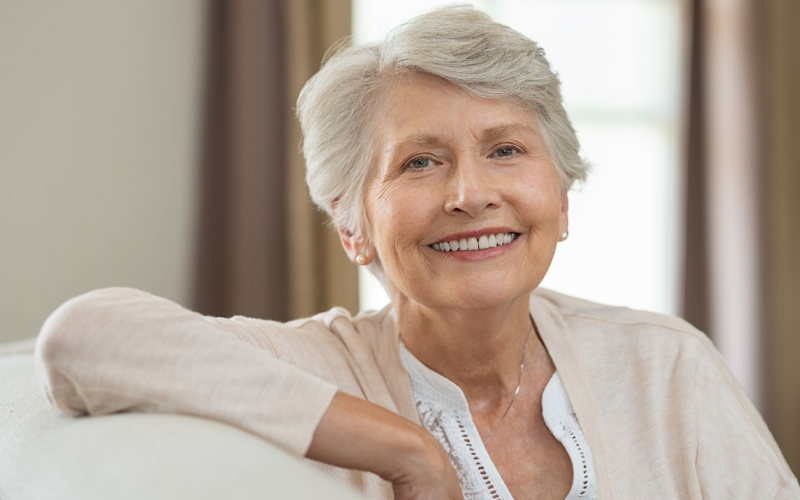
The vast majority of seniors age in place, and quality of life revolves around certain factors for the estimated 93% of older Americans who live at home. Quality of life for seniors means more than good health. It includes independence, affordability, emotional connections and a familiar environment, among other life essentials. Aging doesn’t strip the elderly of their need for any of these. Here are seven factors that shape day-to-day life for seniors aging in place, and how the right support strengthens each one.
1. Independence Supports Emotional Well-Being
Independence is one of the strongest predictors of quality of life for seniors living at home. A survey from CenterWell shows 66% of Americans prefer independence to a lengthy lifespan, and that number climbs to 78% for adults over age 65.
The fierce desire for independence continues as seniors grow older, and emotional well-being increases in proportion to their level of autonomy. Staying in their own home gives seniors the opportunity to remain in familiar surroundings, continue routines like hobbies and gardening, and make choices about meals, activities and schedules.
2. Aging in Place Is More Affordable Than Assisted Living
Living at home is significantly more cost-effective than transitioning to an assisted living facility, which now carries a national median cost of $6,200 per month, according to the 2025 CareScout Cost of Care Survey. That economic reality is especially relevant to elderly individuals making ends meet on a fixed monthly income.
Since approximately 80% of older Americans own their homes, aging in place is a financially practical option. Without the burden of ongoing mortgage payments, seniors are free to direct their financial resources toward professional in-home care services from a reputable senior home care agency.
3. Community Ties Keep Seniors Socially Connected
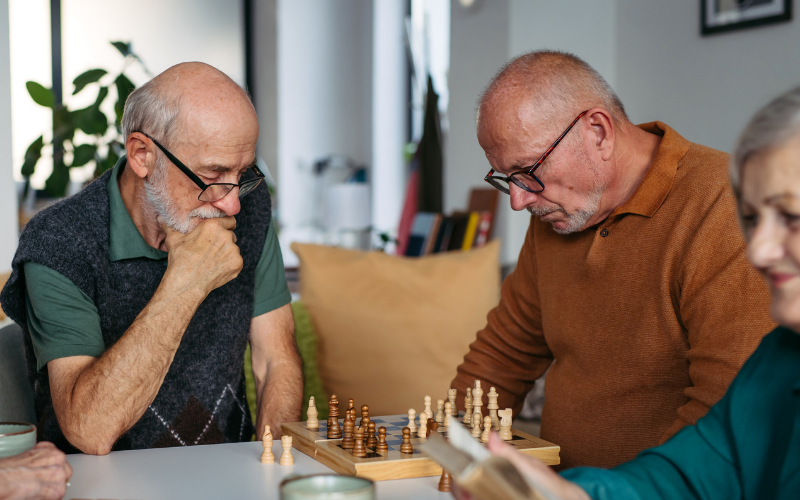
Long-established community ties enhance seniors’ emotional well-being. Older adults who reside in a community for years, whether in Palm Bay or elsewhere in Brevard County, tend to stay active in local events and engage regularly with valued friends and neighbors who contribute to their social and emotional health.
Older individuals limited by mobility challenges can continue to foster an active social life when they opt for in-home care. Companion caregivers provide conversation, games, and recreational activities that keep isolation at bay.
4. Living at Home Strengthens Family Bonds
Seniors who age in place stay closer to the rhythms of family life. Home is where grandkids visit, holidays happen and life stories get told, and grandparents who remain in the family home have more natural opportunities to share responsibilities, instill life lessons and stay involved.
Elderly people involved in their grandchildren’s lives through shared responsibilities or regular visits experience a renewed closeness with the entire family. As a result, the extended family unit grows stronger with mutual respect, appreciation, patience and understanding.
5. A Familiar Environment Preserves Identity

Familiarity enhances older adults’ quality of life by contributing to their sense of identity. Filled with mementos, family photos and gardens, a senior’s home feels like home, and elderly individuals who live at home are more inclined to utilize community resources and neighborhood services that help them thrive.
Especially for older adults living with dementia or memory issues, the familiarity of home is invaluable. They know what to expect and when, reducing confusion in this vulnerable demographic. Unpredictable surroundings, on the other hand, increase anxiety and tend to be socially isolating.
6. Staying Safe While Living at Home
Safety is a top concern for seniors aging in place, and for good reason: the CDC reports one in four seniors falls each year. Falls are highly likely in this population due to age-related loss of muscle, flexibility and balance.
Living at home preserves safety, especially when the home is modified to be senior-friendly. In-home caregivers provide mobility support and are trained to respond swiftly to falls and injuries. The proximity of a caregiver is not only a lifeline but offers the elderly, and their families, invaluable peace of mind.
7. Physical Wellness Starts with Daily Habits
Physical health is among the cornerstones of quality of life for seniors. Professional caregivers encourage physical well-being by scheduling age-appropriate exercises into the senior’s day. Staying physically active builds muscle and flexibility and helps the elderly perform activities independently at home longer.
Eating nutritious meals contributes to overall physical wellness, too. Foods rich in vitamins and minerals deliver the energy seniors need to function and, by building immune strength, ward off infections and illnesses. Caregivers serve balanced meals and hydration to fuel their care recipients’ energy.
How Senior Home Care Supports Quality of Life for Seniors
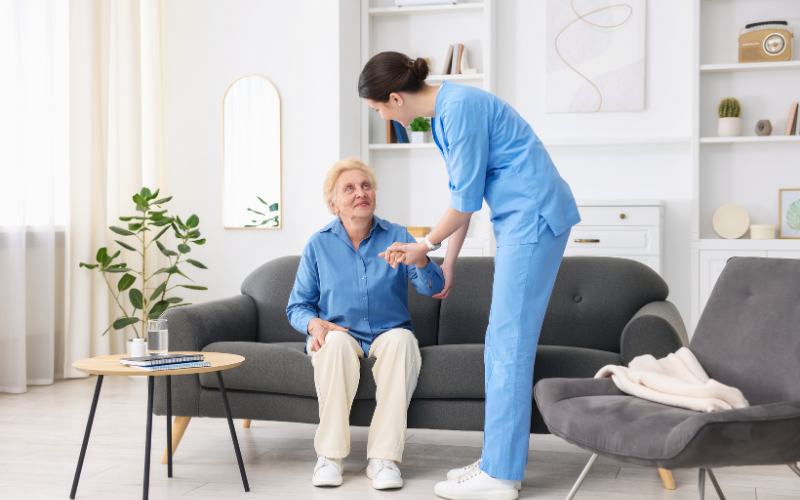
Aging in place is made possible when the right support is utilized. A licensed home care agency offers dedicated, hands-on support designed to maintain and improve the quality of life of elderly care recipients.
Assisting Hands Home Care prioritizes the physical, emotional ,and social health of older adults of all ability levels. Our senior home care services include healthy meal preparation, timely medication reminders, respectful hygiene support from toileting to bathing, fall-risk reduction and transportation to community destinations like the doctor’s office, pharmacy, and senior center. Care plans are customized to each senior’s unique needs and flexible enough to accommodate changes over time, whether your loved one would benefit from respite care, 24-hour care, overnight care or specialized memory care.
Assisting Hands Home Care is the preferred agency for quality senior home care in Palm Bay, Barefoot Bay, Melbourne, Rockledge, Viera and the surrounding areas throughout all of Brevard County, Florida. Staffed with licensed, bonded, and insured caregivers, we offer families and their aging loved ones peace of mind. Call us at (321) 455-5778 and schedule a free in-home consultation to learn how we promote seniors’ quality of life.

