
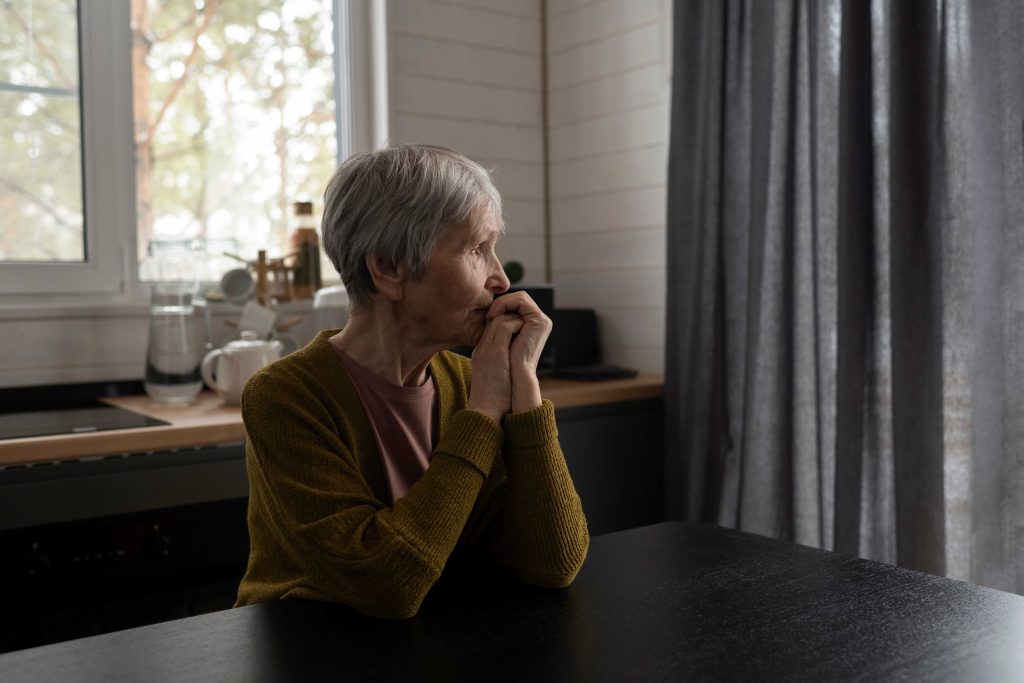
As people age, maintaining regular social connections can become more difficult. Retirement, changes in mobility, the loss of friends or family, health concerns, and no longer being able to drive can all contribute to social isolation in older adults.
While enjoying time alone is not necessarily a concern, ongoing social isolation can affect a senior’s physical, mental, and cognitive health. The National Institute on Aging (NIA) notes that social isolation and loneliness are associated with increased risks for conditions including depression, heart disease, and cognitive decline.
The good news is that social isolation is not an inevitable part of aging. Families, caregivers, and older adults themselves can take practical steps to maintain meaningful connections and make everyday life more socially engaging.
What Is Social Isolation?
Social isolation refers to limited social contact or a lack of connections to family, friends, and community. It can lead to loneliness, which is the feeling of being alone or disconnected from others. A senior can experience social isolation without feeling lonely, while someone who has frequent social interactions may still feel lonely.
This distinction matters because the goal is not simply to make sure an older adult spends less time alone. Meaningful relationships, enjoyable activities, and a sense of connection and purpose are important parts of healthy aging.
Download our quick self-assessment here to see how strong your social connections are.
Why Are Older Adults at Risk for Social Isolation?
Several changes that become more common with age can make maintaining social connections more challenging. Let’s take a look.
Mobility and Transportation Challenges
Difficulty walking, health conditions, or concerns about falling may make an older adult less comfortable leaving home. Giving up driving can create another significant barrier, making it harder to visit friends, attend community activities, shop, or participate in hobbies.
Hearing and Vision Changes
Hearing or vision loss can make social situations more difficult. Someone who has trouble following conversations may eventually avoid gatherings because participating becomes frustrating or exhausting.
Loss of Friends and Family
The loss of a spouse, siblings, friends, or other loved ones can significantly reduce a senior’s social network. Adult children may also live far away or have work and family responsibilities that make frequent visits difficult.
Retirement and Changes in Routine
For many people, work provides more than an income. It offers daily structure, social interaction, and a sense of purpose. Retirement can mean losing those regular opportunities for connection.
Living Alone
Living alone does not automatically mean an older adult is isolated. However, it can increase the likelihood of going long periods without meaningful interaction, particularly when mobility limitations or other health challenges are present.
Cognitive Changes
While being socially isolated can put you at higher risk for cognitive problems, this decline can also affect your ability to engage socially. Memory problems, forgetfulness, and/or cognitive impairment can make it harder to participate in activities you once enjoyed that have provided you with meaningful connections.
How Social Isolation Can Affect Your Health
Social connection is not just a matter of emotional well-being. Staying connected can support several aspects of healthy aging. On the other hand, prolonged isolation can affect several areas of an older adult’s health.
Mental Health
Loneliness and social isolation are associated with a greater risk of depression. A senior who has little social interaction may also experience sadness, anxiety, boredom, or a loss of motivation.
Isolation can also create a cycle that is difficult to break. If you’re suffering from depression, you may stop participating in activities or reaching out to others, which can lead to even greater isolation.
Cognitive Health
Social engagement provides opportunities for conversation, learning, memory recall, and problem solving. Without it, isolation and loneliness can contribute to cognitive decline and possibly even dementia.
Physical Health
The effects of isolation can extend beyond mental and cognitive health. Social isolation has been associated with reduced physical activity and poorer physical health, as well as a higher risk of:
- High blood pressure
- Heart disease
- Obesity
- Sleep problems
- Inflammatory changes
- Weakened immune system
Socially isolated older adults may also be less likely to maintain healthy routines, prepare nutritious meals, exercise regularly, or seek medical attention when something changes.
Signs an Older Adult May Be Isolated
Social isolation can develop gradually, and families may not immediately recognize that something has changed. Possible warning signs include:
- Spending significantly more time alone
- Losing interest in favorite hobbies or activities
- Frequently declining invitations
- No longer attending community or social events
- Reduced contact with family or friends
- Changes in mood or behavior
- Expressing feelings of loneliness or boredom
- Becoming less physically active
- Changes in eating or sleeping habits
- Difficulty keeping up with household responsibilities
These signs don’t necessarily mean a senior is socially isolated. They may indicate depression, cognitive changes, or an underlying health problem. Significant changes in mood or behavior should be discussed with a healthcare provider.
To learn more about the warning signs of social isolation in seniors, click here.
How To Prevent or Reduce Social Isolation in Older Adults
Reducing social isolation doesn’t always require major lifestyle changes. Small, consistent opportunities for connection can make a meaningful difference. Here are some tips for staying connected.
Schedule Regular Contact
Rather than waiting for an opportunity to arise, schedule regular phone calls, video chats, or visits. A weekly family dinner or standing phone call gives you a predictable opportunity to connect with someone you care about.
Engage in Meaningful Activities
Look for opportunities to engage in activities that match your interests and abilities and that also help you stay physically active. Doing so can provide both social interaction and a sense of purpose. Some ideas include:
- Joining a walking or exercise group
- Taking a class
- Participating in a book club
- Volunteering
- Gardening
- Playing cards or board games
- Attending community or senior-centered activities
- Participating in a faith community
- Pursuing an art, music, or craft hobby
Address Transportation Barriers
If driving is no longer safe or practical, you don’t have to be stuck at home. Relying on family members, caregivers, or community transportation programs may make it possible for you to continue attending appointments, visiting friends, shopping, and participating in activities.
Address Hearing and Vision Problems
If you are having difficulty following conversations or participating in activities, schedule appropriate hearing and vision evaluations. Addressing these problems can remove barriers that may otherwise cause someone to withdraw from social situations.
Use Technology To Stay Connected
Video calls, phone calls, online classes, and group chats can help you stay in contact with loved ones who live elsewhere. Technology shouldn’t necessarily replace in-person contact, but it can provide another way to maintain relationships when visits aren’t possible.
How Assisting Hands West Austin Can Help
At Assisting Hands West Austin, we understand that quality care involves more than helping with physical needs. Our caregivers provide companionship while assisting with everyday activities, such as meal preparation, grocery shopping, errands, light housekeeping, mobility support, and personal care. Spending time together over a meal, taking a walk, accompanying you on an outing, or simply having a conversation can help you stay engaged and connected at home.
For family caregivers, in-home care can also provide valuable respite while ensuring a loved one continues to receive support and companionship. If you’re concerned that an aging parent or loved one is becoming socially isolated, contact Assisting Hands West Austin at (512) 999-7379 or by using the chat box on this page.

