
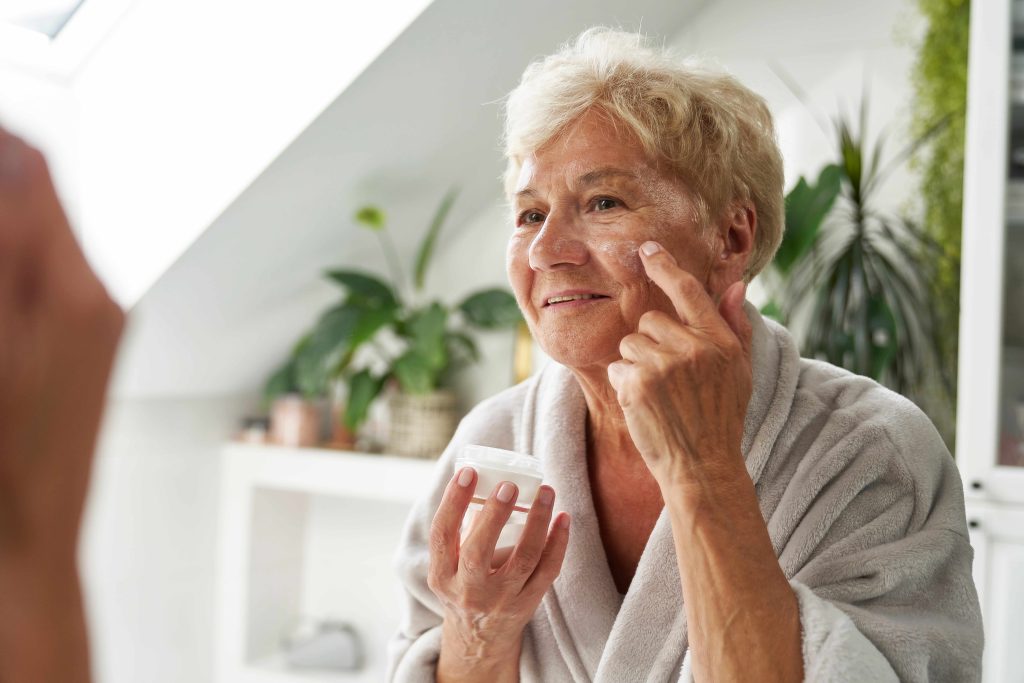
If you’ve noticed that your skin looks thinner, looser, or more wrinkled as you get older, you’re not imagining it. Aging naturally changes the structure and function of your skin. One common result is crepey skin, a term used to describe skin that has a thin, finely wrinkled, almost crinkled appearance similar to crepe paper.
Crepey skin is especially common on areas such as the upper arms, under the eyes, neck, hands, and legs. While it’s usually a normal part of aging, there are steps you can take to protect your skin, keep it comfortable, and reduce its appearance.
What Is Crepey Skin?
Crepey skin is skin that has become thinner, less firm, and more finely wrinkled. Unlike a few deep facial wrinkles, crepey skin often has many small, shallow lines that give the skin a crinkled appearance. It may also feel dry, fragile, or loose.
Crepey skin and loose skin aren’t exactly the same thing. Loose skin is primarily associated with a loss of elasticity and changes in the tissue beneath the skin, while crepey skin is characterized by thinning and fine wrinkles. However, the two often occur together as you age.
It’s also important to remember that crepey skin doesn’t necessarily mean something is wrong. As you get older, your skin naturally becomes thinner and loses some of its ability to retain moisture, stretch, and repair itself. These changes can make crepey skin more noticeable.
Why Do Seniors Get Crepey Skin?
Several changes that occur naturally with age contribute to crepey skin. Let’s take a look.
Loss of Collagen and Elastin
Collagen and elastin are proteins that help keep your skin strong, firm, and flexible. As you age, your body produces less of these proteins. The skin consequently becomes less resilient and loses some of the plumpness and elasticity it had when you were younger.
Think of your skin like an elastic band. When it’s new, it stretches and quickly returns to its original shape. After years of use, it becomes looser and doesn’t bounce back as easily. Your skin undergoes a similar process over time.
Thinner, Drier Skin
Your skin also becomes thinner as you age. Older adults tend to produce less oil and sweat, which can make it harder for the skin to maintain moisture. As a result, skin may become dry, rough, itchy, and more fragile.
Dryness can make fine lines and creases more noticeable, contributing to that characteristic crepey appearance.
Years of Sun Exposure
If you’ve spent decades gardening, golfing, walking, working outdoors, or simply enjoying the Texas sunshine without consistent sun protection, your skin has accumulated UV exposure. Ultraviolet radiation damages skin cells and contributes to the breakdown of collagen and elastin. Over time, this can cause wrinkles, loss of elasticity, changes in texture, and thinning skin.
Weight Changes
Significant weight loss can also make crepey skin more noticeable. When the skin has been stretched and then loses the underlying volume, it may not completely return to its previous shape, particularly as skin becomes less elastic as we age.
Lifestyle and Other Factors
Smoking, dehydration, excessive alcohol consumption, and some medications can also contribute to dry or prematurely aging skin. Certain medical conditions may affect skin health as well, so sudden or significant changes in your skin are worth discussing with your doctor.
Can You Prevent Crepey Skin?
You can’t stop the natural aging process, but you can help protect your skin and slow some of the changes that contribute to crepey skin.
Protect Your Skin From the Sun
Sun protection is one of the most important things you can do, especially in Houston, where the sun can be particularly intense. If you plan on being outside, use a broad-spectrum sunscreen with SPF 30 or higher on exposed skin, and reapply it as directed. Wearing lightweight long sleeves, a wide-brimmed hat, and UV-protective sunglasses can provide additional protection.
Moisturize Every Day
A good moisturizer can help your skin retain water, making it feel softer and helping reduce the appearance of fine lines. Look for gentle, fragrance-free creams or ointments if your skin is particularly sensitive or dry. Applying moisturizer shortly after bathing can help lock moisture into your skin.
Keep Showers Warm, Not Hot
A long, hot shower may feel relaxing, but hot water can strip oils from your skin and worsen dryness. Try shorter showers with warm water instead, and use a gentle, fragrance-free cleanser.
Stay Hydrated and Eat Well
Getting enough fluids and eating a balanced diet support overall health, including healthy skin. Fruits, vegetables, lean proteins, whole grains, and healthy fats provide nutrients your body needs to maintain and repair tissue.
You should also avoid smoking. In addition to its many other health risks, smoking accelerates skin aging and contributes to wrinkles.
How To Treat Crepey Skin
While you can’t completely reverse the effects of aging, you may be able to improve the appearance and comfort of crepey skin.
For mild crepiness and dryness, consistent moisturizing and sun protection are good places to start. Some over-the-counter products containing ingredients such as retinol may help improve the appearance of fine lines over time. However, older skin can be more sensitive, so it’s a good idea to ask your doctor or dermatologist before starting a new skin care regimen.
For more noticeable changes, a dermatologist may recommend treatments such as:
- Chemical peels
- Laser treatments
- Radiofrequency procedures
- Injectable treatments (such as fillers)
- Prescription retinoids
The appropriate option depends on your skin, the location and severity of the changes, and your overall health.
Remember that the goal doesn’t have to be perfectly smooth, youthful-looking skin. Healthy, comfortable, protected skin is much more important.
When Should You Talk to a Doctor About Skin Changes?
Most crepey skin is a normal part of aging. However, don’t automatically assume every new skin change is simply “because you’re getting older.”
Talk with your doctor or dermatologist if you notice:
- A new growth
- A sore that doesn’t heal
- Significant changes in a mole or spot
- Unusual bleeding
- Persistent itching
- Any other skin changes that concern you
Older adults have a higher risk of skin cancer, and regular skin checks can help identify problems early. It’s also worth paying attention to skin that becomes extremely dry, fragile, or prone to tearing. Older adults can take longer to heal from cuts and other injuries, so protecting delicate skin is an important part of everyday care.
How Assisting Hands West Houston Can Help
Taking care of aging skin can be difficult when everyday tasks such as bathing, moisturizing, dressing, or getting outside become challenging. At Assisting Hands West Houston, our caregivers can provide compassionate assistance with personal care while helping you maintain as much independence as possible.
We can also help you keep up with healthy routines, such as applying moisturizer, staying hydrated, eating well, and getting safely around the house. Most importantly, having an extra set of eyes can make it easier to notice changes in your skin and bring them to the attention of a family member or healthcare provider. Contact us today by using the chat box on this page or by calling us directly at (281) 369-5858.

