
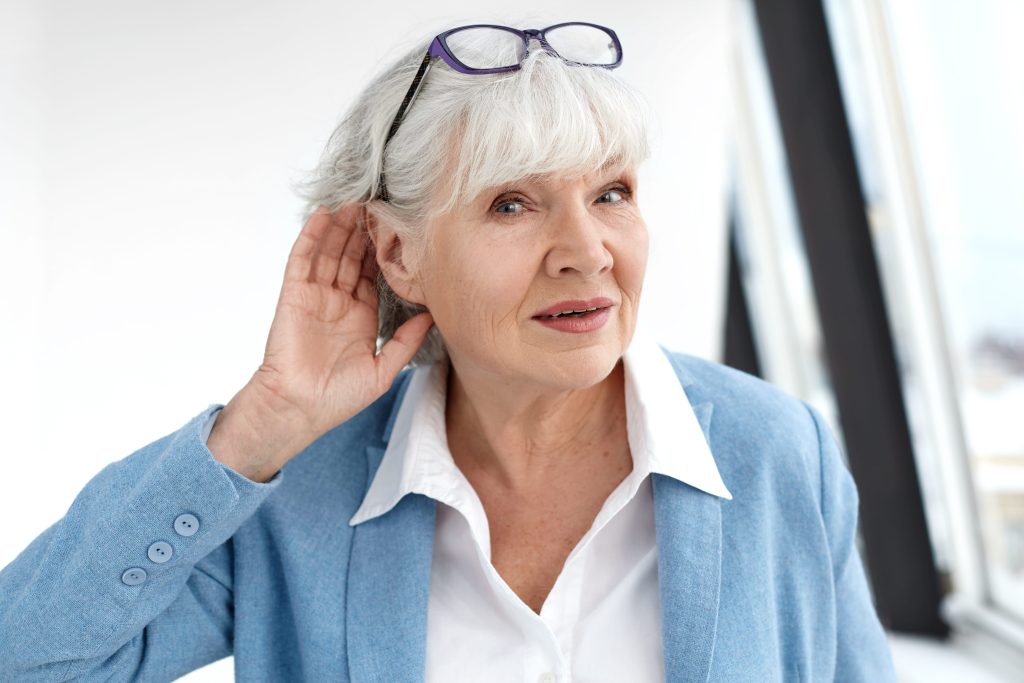
Have you noticed that conversations are harder to follow than they used to? Maybe you can hear people talking but have trouble understanding exactly what they’re saying, especially in crowded spaces with a lot of background noise. Maybe even your friends and family have been accusing you of selective hearing more and more lately.
If this sounds familiar, you’re not alone. Age-related hearing loss is one of the most common health concerns affecting older adults. In fact, according to the National Institute on Aging (NIA), one in three older adults has hearing loss.
Understanding hearing loss in seniors, including its signs, causes, and potential effects on your overall health, can help you take steps to protect your hearing and get the support you need.
What Is Age-Related Hearing Loss?
Age-related hearing loss, also known as presbycusis, is the gradual loss of hearing that occurs as you get older. It typically affects both ears and often develops slowly over time, which can make hearing changes easy to overlook at first.
In the early stages of hearing loss, high-pitched sounds become more difficult to hear. This can make it challenging to understand certain speech sounds, particularly when someone is speaking softly or when several people are talking at once.
Signs of Hearing Loss in Older Adults
Because hearing loss often develops gradually, you may not immediately realize how much your hearing has changed. Sometimes, family members and friends notice the signs before you do.
Here are some common signs of age-related hearing loss:
- Frequently asking people to repeat themselves
- Feeling like others are mumbling or speaking unclearly
- Having trouble following conversations in noisy places
- Turning up the volume on the television or radio
- Struggling to hear conversations over the phone
- Avoiding restaurants, social gatherings, or other noisy environments
- Misunderstanding words during a conversation
- Having trouble hearing women’s or children’s voices
- Fatigue after spending time trying to follow conversations
If any of these situations sound familiar, it may be time to schedule a hearing evaluation. A hearing test can help determine whether you have hearing loss and identify the best options for managing it.
Causes of Age-Related Hearing Loss
There often isn’t one single cause of hearing loss. Instead, several factors may work together over time.
One of the primary causes is gradual wear and tear on the delicate structures of the inner ear. Tiny sensory cells in the inner ear help convert sound waves into signals that your brain can interpret. These cells can become damaged over time, and unlike some other cells in the body, they generally don’t regenerate.
Your genes can also play a role. If hearing loss runs in your family, you may be more likely to experience it as you get older.
Other factors that can contribute to hearing loss include:
- Long-term exposure to loud noises, such as loud music, machinery, and power tools.
- Certain health conditions that affect blood flow or circulation may also impact the structures involved in hearing.
- Some medications may damage the inner ear or affect hearing.
- Earwax buildup can interfere with your ability to hear and may be treatable.
- Past ear infections or injuries.
Remember, hearing problems can have different causes, so it’s important not to assume that changes in hearing are simply a normal part of aging.
How Can Hearing Loss Affect Your Health?
Hearing plays an important role in communication, relationships, safety, and your overall quality of life.
When hearing becomes more difficult, you may begin to withdraw from conversations because communicating takes more effort. You might avoid social events or feel frustrated when you can’t keep up with a conversation. Over time, this can contribute to depression, feelings of loneliness, and social isolation.
Studies have found that untreated hearing loss has also been associated with an increased risk of cognitive decline. According to the NIA, studies have shown that hearing loss in older adults contributes to a greater risk of developing dementia.
Hearing loss can also create safety concerns. It may become more difficult to hear a smoke alarm, doorbell, telephone, approaching vehicles, or other important warning sounds. Plus, hearing loss has been linked to an increased risk of falls.
The good news is that recognizing hearing loss and taking action can help you stay connected with your community and continue participating in the activities you enjoy.
How Can You Reduce Your Risk of Age-Related Hearing Loss?
You probably won’t be able to prevent every change in hearing that comes with age. However, you can take steps to protect your hearing and potentially reduce additional damage.
Protect Your Ears From Loud Noises
Whenever you’re around loud noises, be sure to use earplugs or other appropriate hearing protection. This is especially important when using power tools, attending concerts, or spending time around loud machinery. It’s also a good idea to keep the volume at a reasonable level when listening to music or watching TV.
Get Your Hearing Checked
Regular hearing evaluations can help identify changes early. Just as you schedule routine eye exams and other health screenings, hearing checks can be an important part of taking care of your overall health as you age. Plus, early detection may give you more options for managing age-related hearing loss and can help prevent communication difficulties from becoming overwhelming.
Take Care of Your Overall Health
Your hearing and your overall health are connected in many ways. Staying physically active, eating a balanced diet, managing chronic health conditions, and following your healthcare provider’s recommendations can all support healthy aging.
Avoid Removing Earwax Yourself
If you suspect earwax buildup is to blame for your decline in hearing, resist the urge to use cotton swabs or other objects inside your ear. These can push wax deeper into the ear or cause an injury. Instead, speak with your doctor about safe options for earwax removal.
What Can You Do if You Have Hearing Loss?
If you are experiencing changes in your hearing, the first step is to have your hearing evaluated by a healthcare professional. Depending on the cause and severity of your hearing loss, treatment options may include hearing aids, assistive listening devices, communication strategies, or treatment for an underlying issue.
Today’s hearing aids come in many different styles and offer features that can make it easier to hear in a variety of environments. The right solution depends on your needs and lifestyle.
To learn more about the assistive hearing devices available today, check out the National Institute on Deafness and Other Communication Disorders.
It’s also important to let your loved ones know how they can communicate with you more effectively. Simple changes, such as facing you while speaking, reducing background noise, and speaking clearly, can make conversation easier and more enjoyable.
How Assisting Hands West Houston Can Help
At Assisting Hands West Houston, we understand that changes in hearing can make everyday life more challenging. When it becomes harder to communicate, you may feel frustrated or less confident participating in the activities and conversations you once enjoyed. But age-related hearing loss doesn’t have to mean withdrawing from the world around you.
Our caregivers can provide compassionate support that helps you stay connected and maintain your independence at home. We can assist with daily activities, provide companionship, offer transportation to appointments with an audiologist, and help create a more comfortable home environment that supports your communication needs. Contact us today by using the chat box on this page or by calling us directly at (281) 369-5858.

