
Recovering at home after an illness often requires additional support for seniors. Regaining strength involves a careful balance of proper nutrition, regular physical activity, and effective stress management. Whether provided by family members or professional caregivers, the right assistance can make all the difference in helping the elderly recover faster and more comfortably.
What are Common Chronic and Serious Illnesses?
Seniors may suffer from a range of serious chronic ailments. Acute illnesses are those with a sudden onset. Usually caused by a virus or infection, they last a few days to a few weeks. Examples of acute illnesses include Covid-19, the flu, heart attack, asthma attack and bacterial infections.
On the other hand, chronic illnesses are those that last over one year and require ongoing medical treatment. These conditions typically have no complete cure, but symptoms can be managed with lifestyle modifications and treatment. Chronic illnesses impact a senior’s daily life, making routine activities more challenging.
Common chronic ailments that occur in the elderly include heart failure, chronic kidney disease, and diabetes. Chronic conditions are most common in seniors due to age, genetics, and gender. In fact, over 90% of older adults suffer from at least one chronic illness. Here’s a closer look at some of the most common chronic illnesses affecting seniors:
Stroke
A stroke happens when blood flow to the brain is interrupted, either due to a blockage (ischemic stroke) or a burst blood vessel (hemorrhagic stroke). This can cause permanent brain damage and lead to paralysis, speech difficulties, memory loss, and mobility issues.
- Common signs of stroke include sudden numbness or weakness on one side of the body, confusion, trouble speaking, vision problems, or a severe headache.
- Strokes are a major cause of long-term disability in seniors, often requiring rehabilitation, physical therapy, and lifestyle changes to recover.
Metabolic Disorders
- Diabetes – This condition affects the body’s ability to regulate blood sugar, leading to potential complications such as nerve damage, kidney disease, vision problems, and an increased risk of heart disease.
- High Cholesterol – Excess cholesterol in the blood can cause plaque buildup in the arteries, making heart attacks and strokes more likely.
Respiratory Diseases
- Chronic Obstructive Pulmonary Disease (COPD) – A progressive lung disease that causes persistent breathing difficulties. COPD is often linked to smoking or long-term exposure to air pollutants.
- Asthma – While often associated with younger people, many seniors continue to experience severe asthma attacks, which can be life-threatening.
Kidney Disease
- Chronic Kidney Disease (CKD) – The kidneys gradually lose their ability to filter waste from the blood, leading to toxin buildup, fluid retention, and high blood pressure. In severe cases, dialysis or a kidney transplant may be needed.
Neurological Disorders
- Alzheimer’s Disease and Dementia – Progressive memory loss and cognitive decline that can make it difficult for seniors to manage daily activities and live independently.
- Parkinson’s Disease – A neurological disorder that affects movement, leading to tremors, muscle stiffness, and balance issues, increasing the risk of falls.
Heart and Circulatory Conditions
- Heart Failure – A condition where the heart becomes too weak to pump blood efficiently. This can lead to fatigue, swelling in the legs, and shortness of breath, making even simple activities exhausting.
- High Blood Pressure (Hypertension) – Known as the “silent killer,” hypertension often has no symptoms but significantly raises the risk of strokes, heart attacks, and kidney disease.
- Atrial Fibrillation (AFib) – An irregular heartbeat that increases the risk of blood clots and strokes. Many seniors with AFib require blood-thinning medication to prevent complications.
How Do Seniors Regain Strength After an Illness?
Regaining strength after an illness takes time. After a serious bout of pneumonia, for instance, seniors face weakness, low appetite, and brain fog. Recovery can take anywhere from 6 to 12 weeks. Covid-19 survivors experience memory, speech issues, and mental health problems for weeks or months.
A hospital stay further complicates the pace of recovery. Older adults often develop post-hospital syndrome, where they experience side effects caused by medications, disruptions to sleep habits, and digestive issues. Effects of hospitalization also include exhaustion, memory problems, and weakness.
As mentioned, seniors who’ve experienced an acute illness may still suffer from lingering pain or deal with fatigue. It’s important to avoid rushing to get back to daily activities right after the illness subsides. The initial goal is to gradually increase everyday physical activities.
The National Council on Aging suggests that it takes one week to recover for every day spent in the hospital. However, a clear path to recovery exists. Planning ahead, eating right, and gradually increasing physical activity help seniors progress on their road to recovery.
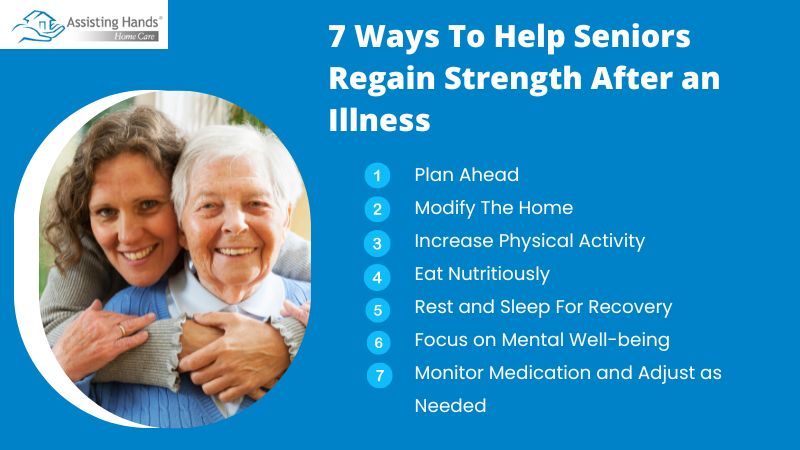 1. Plan Ahead
Older adults and their caregivers should make plans to facilitate recovery at home before the former leaves the hospital. Request a written medication schedule and set up physical therapy sessions, if the doctor prescribes them. Be clear about any activity restrictions.
Ask about equipment, such as canes, walkers, or oxygen tanks, that can help the senior slowly regain strength. A spirometer improves the patient’s lung strength. Seniors should arrange for caregivers to help with grocery shopping, medication pickups, and meal preparation.
2. Modify the Home
Regaining balance and strength occur gradually. To prevent injuries in the meantime, modify the home. Add extra lighting to hallways and other dark areas, wear non-skid slippers and sleep in a bedroom closer to the bathroom. Further prepare the home by removing clutter and other trip hazards.
Caregivers can be tasked to make the aforementioned adjustments to the senior’s home environment. They can also contact hospital staff on the older patient’s behalf for instructions on how to obtain the necessary equipment as well as schedule physical or occupational therapy visits.
3. Increase Physical Activity
As soon as the senior receives the green light from their doctor, it’s safe to start engaging in a small amount of physical activity. Consider walks with a caregiver, who can provide mobility support and confidence. Walking is an ideal exercise to bolster mood and physical fitness.
Choose safe, walkable paths outdoors when weather permits. Or, if strolls outside are not an option, climb indoor stairs or walk the hallways for exercise. Aim for 3 to 4 minutes at first, then incrementally increase the duration of walks to 5 or 10 minutes.
Seniors who intend to recuperate after illness are advised to avoid staying in bed. Prolonged bed rest creates problems, such as bedsores, kidney failure, increased blood pressure, and muscle wasting. Plus, getting up suddenly after bed rest causes dizziness, weakness, and stiff joints.
4. Eat Nutritiously
Vitamins and minerals provide the body with nutrients that accelerate healing. Caregivers should prepare meals rich in vitamins C and zinc, which help skin wounds heal. Serve foods that are high in calories and protein to restore health and give the senior the energy to attend physical therapy.
Hydration is also key as it enables the kidneys to function optimally and helps with recovery. Caregivers can keep a water bottle by the senior’s bedside or store a pitcher of water in the fridge. The senior should strive to finish the pitcher by day’s end.
5. Rest and Sleep For Recovery
While exercise and good nutrition are important, seniors must also prioritize rest and sleep to allow the body time to heal. Sleep helps regenerate cells and tissues, reducing inflammation and boosting energy levels. During sleep, the body produces growth hormones that are crucial for tissue repair and muscle recovery.
6. Focus on Mental and Emotional Well-being
Physical recovery often goes hand in hand with mental health. Seniors who are recovering from an illness may experience feelings of anxiety, depression, or frustration, especially if their mobility or independence is compromised. Support from loved ones can greatly improve emotional well-being. Simple acts like having conversations, sharing meals, or spending time outdoors can boost a senior’s spirits and encourage a positive mindset. Mental health therapy or support groups can provide seniors with strategies to cope with feelings of isolation or anxiety, further aiding their physical recovery.
7. Monitor Medication and Adjust as Needed
Seniors who are on medications for their illness may need adjustments in their dosage or even new prescriptions to manage side effects during recovery. Keeping track of medications and speaking to a healthcare provider about any concerns or side effects is important for a smooth recovery.
If you’re looking for additional insights on managing medications for seniors during recovery, be sure to check out our latest blog on medication management for seniors. This article provides valuable tips on when seniors should adjust or stop medications like blood thinners and how to stay on top of their treatment plans.
Recover From an Illness with Home Care
Regaining strength after an illness is a team effort and requires support from a caregiver. Family members who are too busy to provide ongoing assistance to a senior who’s experienced an illness can find dependable, professional support from Assisting Hands Home Care.
We are a reputable home care agency with teams of compassionate caregivers who tend to the physical, emotional, and social care needs of the elderly. Our comprehensive non-medical elder home care services are designed to promote independence as well as comfort, health, and safety.
Caregivers shop for fresh groceries and prepare nutrient-rich meals to accelerate the senior’s recovery. We give timely medication reminders and provide transportation to local areas, such as the doctor’s office for follow-up visits. Our pleasant companionship deters seniors’ loneliness and social isolation.
Additional care services include respectful assistance with hygiene tasks, such as toileting, bathing, and grooming. Our caregivers are experienced in managing incontinence issues, too. We keep the home hygienic and comfortable with light housekeeping services. Clutter is removed to prevent falls.
Your aging loved one’s non-medical care needs are fulfilled when you introduce elder care from Assisting Hands Home Care. We are privileged to serve seniors living in Batavia, Illinois, and the surrounding communities. Schedule a free in-home consult today to learn more about quality senior care. Call (630) 948-8193.