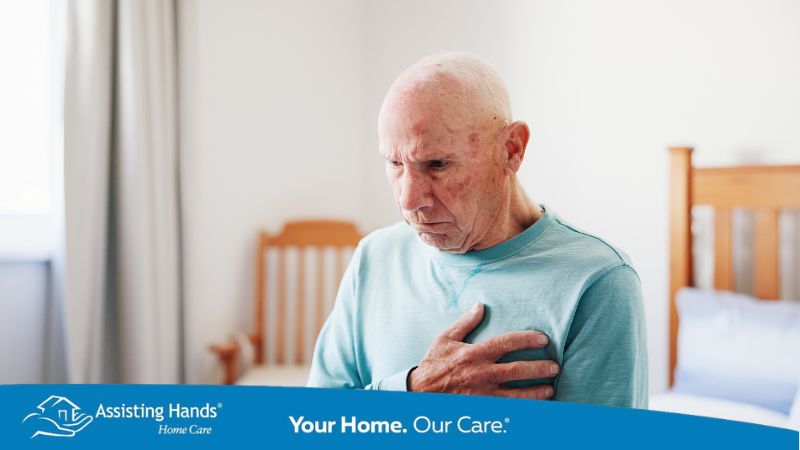
Heart disease remains one of the leading health threats facing older adults. In the United States, someone experiences a heart attack about every 40 seconds, according to the American Heart Association (AHA). The average age of a first heart attack is approximately 72 for women and 65.6 for men, placing many seniors in a higher-risk category.
Understanding how heart attack risk presents differently in older adults allows caregivers and families to act earlier, support safer aging at home, and potentially prevent life-threatening emergencies.
Why Heart Attack Risk Looks Different in Seniors
Chest pain is often considered the hallmark symptom of a heart attack, but many seniors never experience it. Older adults, especially women and those over age 70, are far more likely to have atypical symptoms.
Age-related changes in nerves and blood vessels can dull pain perception. As a result, reduced blood flow to the heart may not trigger intense chest pressure, allowing a cardiac event to go unnoticed or misattributed to aging, indigestion, or fatigue.
This is one reason heart attacks in seniors are more likely to be described as “silent” or delayed in diagnosis.
Common Heart Attack Risk Factors in Older Adults
While heart attack symptoms may be harder to recognize in seniors, many of the underlying risk factors are well known. Understanding these risks can help caregivers and families stay alert and take preventive action before an emergency occurs.
Medical risk factors include:
- High blood pressure (hypertension)
- High cholesterol
- Diabetes or prediabetes
- History of heart disease or stroke
Lifestyle and personal factors:
- Past or current smoking
- Sedentary lifestyle
- Excess weight
- Family history of heart disease
- Chronic stress and poor sleep
By recognizing these risk factors early, families and caregivers can work with healthcare providers to create strategies that support heart health and reduce the chances of a crisis.
Early Warning Signs Caregivers Should Watch For
Heart attack symptoms in seniors are often gradual, mild, or inconsistent. Pay close attention to changes that seem “off,” even if they do not appear severe.
Common warning signs include:
- Shortness of breath during light activity or rest
- Chest pressure, tightness, or general discomfort
- Sudden or unusual fatigue
- Lightheadedness or dizziness
- Nausea, indigestion, or vomiting
- Pain or discomfort in the jaw, neck, back, or arms
- Cold sweats or clammy skin
It’s important to remember that these symptoms may come and go in older adults. Even if they fade, they still require prompt medical attention, as delaying care can lead to more serious damage.
Subtle Behavioral and Functional Red Flags
In many cases, the earliest indicators of heart trouble in seniors aren’t dramatic physical symptoms but small changes in daily function. Because these shifts can develop gradually, they are easy to attribute to normal aging. However, they may be clinically significant and deserve careful attention.
A senior who once moved comfortably around the home may begin avoiding activity or tire more quickly than usual. You might notice an increased need for rest breaks or more frequent naps throughout the day. Some older adults become confused, less alert, or have difficulty concentrating when the heart isn’t delivering enough oxygen-rich blood to the brain.
Caregivers may also see a decline in mobility or balance, along with unexpected changes in appetite or sleep patterns. While any one of these issues might seem minor on its own, together they can point to an underlying cardiovascular concern.
Recognizing these subtle red flags early gives families the opportunity to seek medical guidance before a more serious emergency develops.
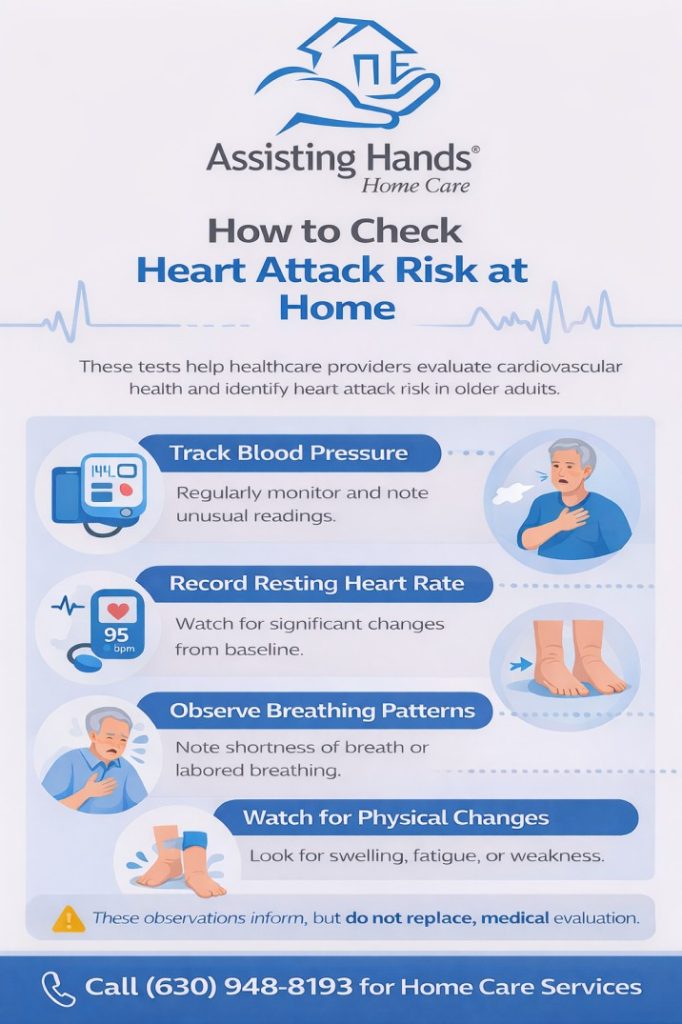
How to Check Heart Attack Risk at Home (Non-Diagnostic)
While only a medical professional can diagnose heart disease or determine heart attack risk, caregivers can still play an important role in monitoring day-to-day changes at home. Paying attention to trends and new symptoms can provide valuable information to share with a doctor.
Start by tracking blood pressure on a regular basis and noting any consistent elevations or unusual fluctuations. Monitoring changes in resting heart rate can also be helpful, especially if it becomes faster, slower, or more irregular than normal. Observing breathing patterns, such as new shortness of breath or labored breathing, may reveal early signs of strain on the heart.
Physical changes can offer clues as well. Swelling in the legs, ankles, or feet may indicate fluid retention, while new or worsening fatigue could suggest the heart is not pumping efficiently. Keeping a simple log of when symptoms occur, how long they last, and what the senior was doing at the time can help healthcare providers spot patterns.
It’s important to remember that these observations do not replace medical testing or professional evaluation. Instead, they serve as an early awareness tool that can prompt timely conversations and faster intervention.
Medical Tests That Help Assess Risk
When it comes to evaluating an older adult’s risk for a heart attack, medical tests performed by a healthcare provider offer the most accurate picture. The American Heart Association recommends regular screenings and assessments to help identify risk early and guide preventive care.
Here are key tests commonly used to assess cardiovascular risk:
- Blood pressure screening: High blood pressure (“hypertension”) is one of the most important risk factors for heart disease and often has no symptoms without testing. Regular monitoring helps detect changes that may require treatment.
- Cholesterol panel: A lipid profile measures total cholesterol, LDL (“bad” cholesterol), HDL (“good” cholesterol), and triglycerides. Abnormal levels can signal a higher risk of artery plaque buildup and future cardiac events.
- Blood glucose or A1C: Testing for elevated blood glucose or A1C levels helps identify diabetes or prediabetes, conditions that significantly increase heart disease risk and often co-occur with other risk factors.
- Electrocardiogram (EKG or ECG): An EKG records the heart’s electrical activity and can detect arrhythmia, past silent heart attacks, and other abnormalities. It’s especially useful when there are symptoms or a high risk of cardiovascular disease.
- Stress testing (when appropriate): A stress test evaluates how the heart performs during physical exertion and may reveal problems with blood flow to the heart muscle that aren’t evident at rest. It’s typically recommended when there are symptoms or high risk, not used as a routine test for everyone.
These medical tests help clinicians build a comprehensive risk profile that goes beyond what can be observed at home. While caregivers can monitor trends in daily health, diagnostic testing by a provider is essential to accurately assess heart attack risk and guide effective prevention strategies. Sudden confusion, trouble speaking, or collapse may signal a heart attack or another serious neurological event. In some cases, these symptoms may be related to a transient ischemic attack. Understanding what causes mini strokes in seniors can help caregivers act faster in an emergency.
When to Seek Immediate Medical Help
Knowing when to call emergency services can save a senior’s life. If any of the following symptoms appear, do not wait for them to worsen, treat it as a potential heart attack and call 911 right away:
- Chest discomfort, pressure, or tightness that lasts more than a few minutes
- Shortness of breath accompanied by weakness, dizziness, or lightheadedness
- Sudden confusion, trouble speaking, or collapse
- Pain radiating to the arm, jaw, neck, or back
- Cold sweats, nausea, or vomiting
Even if symptoms come and go, or seem mild, immediate action is critical. Prompt medical attention can prevent severe heart damage and significantly improve the chances of survival.
How Caregivers Can Reduce Heart Attack Risk
Caregivers play a vital role in supporting a senior’s heart health. You can help reduce their risk of a heart attack by encouraging regular medical checkups, providing heart-healthy meals, and incorporating safe physical activities into their daily routine. Timely medication reminders also support adherence and overall cardiovascular care.
Promoting restful sleep through comfortable bedtime routines and meeting basic needs is equally important. Caregivers can further support heart health by helping seniors manage stress, combat isolation, and prevent depression through companionship, structured daily routines, and fostering independence, which gives them a sense of control over their everyday lives.
Why Early Risk Detection Matters
Identifying heart attack risk early can make a profound difference in a senior’s health and well-being. By recognizing warning signs and monitoring risk factors, caregivers and families can help prevent major cardiac events and reduce the likelihood of hospitalization. Early detection also supports a higher quality of life, allowing seniors to age safely and comfortably in their own homes.
Perhaps most importantly, it enables proactive care planning. Knowing the risks and taking steps to address them gives both seniors and caregivers confidence and control over daily life, transforming uncertainty into actionable strategies for a healthier, safer future.
Elder Care from Assisting Hands Home Care
Older adults who receive quality caregiver support can age safely and comfortably at home, enjoying a higher overall quality of life. For seniors at risk of heart problems, early detection allows for proactive care planning, which may include professional, non-medical support from Assisting Hands Home Care.
Our dedicated caregivers provide hands-on assistance with daily routines, helping seniors with activities of daily living (ADLs) such as bathing, toileting, and personal hygiene. We prepare heart-healthy meals, offer timely medication reminders, and ensure seniors stay on track with their prescribed care.
Beyond practical support, our caregivers provide meaningful companionship, helping to reduce loneliness and isolation through conversation, games, hobbies, and shared activities. We also assist with light housekeeping and provide safe transportation to medical appointments, including tests that help assess heart attack risk.
Serving Batavia, Illinois, and the surrounding areas, Assisting Hands Home Care is a trusted partner in a senior’s care plan, promoting health, safety, and comfort with compassion and reliability. Schedule a free in-home consultation today to discover how our senior home care services can enhance your loved one’s quality of life.
Editorial Note
This article is for educational purposes only and does not replace professional medical advice. Always consult a qualified healthcare provider regarding symptoms or medical concerns.
Senior Heart Attack Related FAQs
Can a heart attack in a senior feel like indigestion or acid reflux?
Yes. Many seniors describe heart attack symptoms as indigestion, heartburn, or stomach discomfort rather than chest pain. If indigestion is sudden, persistent, or accompanied by shortness of breath, sweating, or fatigue, it should be evaluated immediately.
Does dementia or cognitive decline affect heart attack recognition?
Yes. Seniors with dementia may not be able to describe pain or discomfort clearly. Instead, caregivers may notice agitation, sudden confusion, withdrawal, or changes in behavior, which can be early signs of a cardiac event.
What is the “7-second trick” to prevent a heart attack?
There is no proven “7-second trick” that can prevent a heart attack. The idea often refers to internet claims about actions like coughing forcefully, holding breath, or specific breathing techniques—but these are myths and do not stop a heart attack.
What to know instead:
- Forceful coughing (“cough CPR”) is not recommended for the public and does not prevent heart attacks.
- Breathing tricks or quick physical actions cannot clear blocked arteries or reverse a cardiac event.
- Time is critical. The only effective response to suspected heart attack symptoms is immediate medical care.
What actually helps:
- Call 911 (or your local emergency number) immediately at the first sign of symptoms.
- Chew aspirin if advised by emergency services and if the person is not allergic.
- Rest and stay calm while waiting for help.
Can drinking a lot of water prevent a heart attack?
No. Drinking a lot of water does not prevent a heart attack. While staying hydrated is important for overall health, water alone cannot stop blocked arteries or prevent a cardiac event.
What hydration can help with:
- Preventing dehydration, which can thicken the blood and strain the heart
- Supporting healthy blood pressure and circulation, especially in older adults
- Reducing dizziness and fatigue related to low fluid levels
What hydration cannot do:
- It cannot remove plaque from arteries
- It cannot reverse heart disease
- It cannot stop a heart attack once symptoms begin
What actually reduces heart attack risk:
- Managing blood pressure, cholesterol, and blood sugar
- Eating a heart-healthy diet
- Regular physical activity (as approved by a doctor)
- Taking prescribed medications consistently
- Seeking immediate medical care when symptoms appear
If a heart attack is suspected, do not drink water to “wait it out.” Call 911 (or your local emergency number) immediately. Hydration supports long-term heart health, but it is not a preventive or emergency treatment.
Can aspirin stop a heart attack?
No. Aspirin cannot stop a heart attack, but it can help reduce damage during one caused by a blood clot.
Aspirin works by preventing platelets from clumping together, which can slow the growth of a clot blocking blood flow to the heart. This may improve outcomes after symptoms begin, but it does not reverse a blockage or replace emergency treatment.
Important notes:
- Aspirin should only be taken if advised by emergency services or a doctor
- It is not safe for everyone (bleeding risk, allergies, stomach issues)
- Aspirin is not preventive unless prescribed for long-term use
- If a heart attack is suspected, call 911 immediately. Aspirin is supportive, not a cure.
- How can someone reduce the risk of a heart attack while sleeping?
- You cannot completely prevent a heart attack during sleep, but you can reduce risk by managing nighttime heart stress.
Helpful strategies include:
- Keeping blood pressure, cholesterol, and blood sugar well controlled
- Taking prescribed heart medications exactly as directed, including nighttime doses
- Treating sleep apnea, which significantly increases heart attack risk
- Avoiding heavy meals, alcohol, and smoking before bed
- Maintaining a consistent sleep schedule and managing stress
Heart attacks are more common in the early morning due to natural increases in blood pressure and stress hormones. Consistent medical management and healthy sleep habits help lower overnight risk.
If symptoms such as chest discomfort, shortness of breath, nausea, or sudden waking with anxiety occur during sleep, seek emergency care immediately.