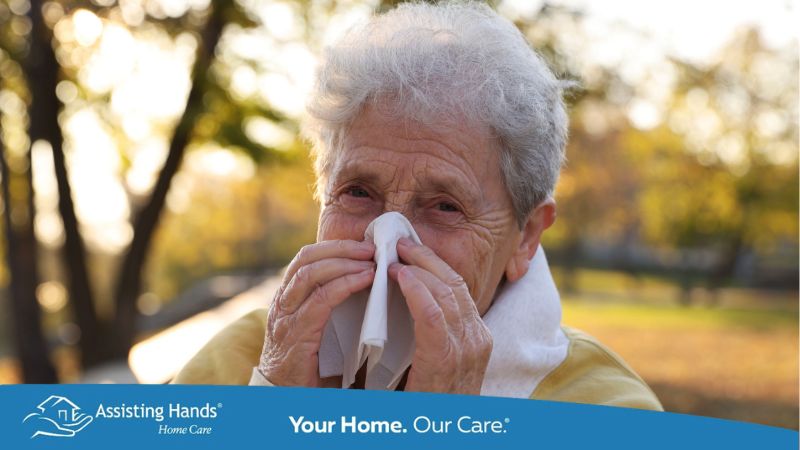
Most nosebleeds are harmless and stop on their own, and they are often caused by something as simple as dry air or minor irritation inside the nose. But when nosebleeds occur in older adults, especially if they happen frequently or are difficult to control, they may be a sign of something more serious.
From high blood pressure and cardiovascular conditions to clotting disorders or medication side effects, recurrent nosebleeds in the elderly shouldn’t be overlooked. In this blog, we’ll explore when a nosebleed is simply a nuisance and when it may be time to seek medical attention.
Quick answer: when is a nosebleed in an older adult serious?
You should seek medical attention if a nosebleed:
- Lasts longer than 20 minutes despite applying pressure
- Happens frequently or without a clear cause
- Is heavy or difficult to control
- Occurs after a fall or head injury
- Happens while taking blood-thinning medications
- Is accompanied by fatigue, dizziness, shortness of breath, or pale skin
What are the causes of nosebleeds in the elderly?
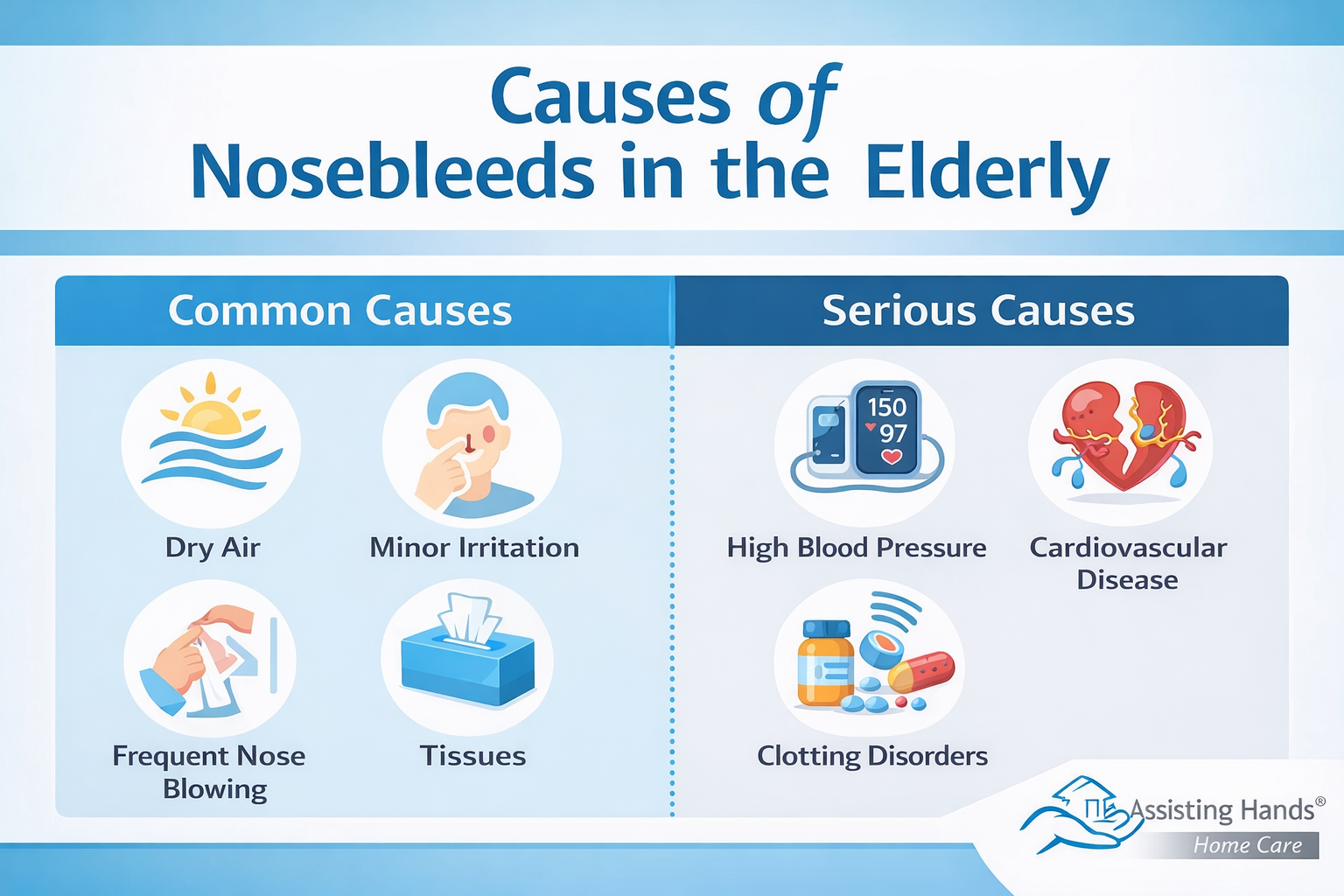
If nosebleeds aren’t linked to an underlying medical condition, they’re often a result of the natural aging process. In many cases, this means they can be prevented or managed with simple adjustments.
As we age, the skin and delicate tissues inside the nose become thinner and more fragile, making them easier to damage. Everyday habits such as nose picking or even blowing the nose too forcefully can irritate or tear these sensitive membranes. Changes in temperature and humidity can also dry out the nasal passages, causing the skin to crack and bleed more easily.
However, more severe nosebleeds in older adults may point to more serious causes, such as head trauma, cardiovascular disease, or atherosclerosis (hardened arteries). These conditions can lead to bleeding deeper within the nose, often resulting in heavier or more prolonged episodes. Because severe or recurring nosebleeds can have a range of underlying causes, it’s important to consult a healthcare provider for proper evaluation and guidance.
What are the treatments for nosebleeds in elderly adults?
Taking the right precautions can help both prevent and manage nosebleeds in older adults. Simple habits such as keeping fingernails trimmed, using a humidifier to add moisture to the air, and being gentle when blowing or cleaning the nose can reduce irritation. Avoiding smoking, or quitting if you currently smoke, is also important, as tobacco use can dry out and irritate the nasal passages. Applying a saline nasal spray or a small amount of petroleum jelly inside the nostrils can further help keep the tissues moist and less prone to cracking.
How to stop a nosebleed safely at home?
If a nosebleed occurs, proper technique can help stop it quickly. Sit upright and lean slightly forward to prevent blood from flowing down the throat. Pinch the soft part of the nose (just below the bony bridge) and hold steady pressure for 10–15 minutes while breathing through the mouth. Avoid lying down, as staying upright helps reduce blood pressure in the nasal vessels. Placing a cold compress or ice pack across the bridge of the nose may also help slow the bleeding.
In most cases, these steps will stop a nosebleed within 15 minutes. If bleeding persists or becomes frequent, it’s important to seek medical attention. If you or a senior loved one has occasional nosebleeds but is otherwise healthy, these are the things you can do to stop it:
- Keep your head in a neutral, slightly forward position, do not tilt your head back, as this can cause blood to run down the throat.
- Use 2–3 sprays of Afrin in the bleeding nostril. This decongestant helps constrict blood vessels and may slow the bleeding.
- Apply firm, steady pressure by pinching the soft, lower part of the nose (just below the bony bridge) and hold for at least 10 minutes without releasing.
When to Go to Urgent Care vs. Call 911
Go to Urgent Care If:
- Bleeding lasts longer than 20 minutes
- Nosebleeds happen frequently
- The person is on blood thinners
- Bleeding is moderate but persistent
Call 911 Immediately If:
- The nosebleed follows a fall or head injury
- There is heavy, uncontrolled bleeding
- The person has difficulty breathing
- There are signs of weakness, confusion, or fainting
- Blood is being vomited or coughed up
How to prevent frequent nosebleeds in seniors
There are several effective ways to reduce the frequency of nosebleeds when they aren’t caused by an underlying medical condition. Maintaining proper nasal hydration is one of the most important steps. Consider the following habits:
- Use a saline nasal spray every few hours to keep the nasal passages moist
- Run a cool-mist humidifier in the bedroom while sleeping
- Apply a water-based saline gel inside the nose before bed
- Avoid nose picking, and try to sneeze through your mouth to reduce pressure on nasal blood vessels
If nosebleeds may be linked to medical conditions or medications, additional precautions are important:
- If you or your senior loved one has high blood pressure, work with a healthcare provider to keep it well controlled through medication and lifestyle adjustments.
- Review all prescription and over-the-counter medications, as well as supplements, with a doctor, frequent nosebleeds may require dosage adjustments or discontinuing certain products.
Is a nosebleed just a nosebleed or a bigger problem?
Not all nosebleeds are cause for concern. If your senior loved one experiences minor nosebleeds occasionally, they can usually be managed with simple remedies like those mentioned above.
However, it’s important to understand the underlying causes, especially in older adults. Whether the issue stems from dry air, irritation, or an underlying health condition, recurring blood loss should not be ignored. Identifying and addressing the cause early can help prevent more serious complications down the line and ensure your loved one stays safe and healthy.
Supporting Your Loved One’s Health and Safety at Home with Senior Care
When caring for an older adult, you must pay attention to small changes like recurring nosebleeds that could signal a larger issue. While many cases are minor, having someone nearby to monitor symptoms, assist with prevention strategies, and respond quickly when needed can make a meaningful difference in your loved one’s overall health and comfort.
Professional senior home care can provide that extra layer of support. With services from Assisting Hands Home Care, caregivers can help seniors maintain a safe, healthy environment by assisting with daily routines, monitoring for concerning symptoms, supporting medication management, and encouraging proper hydration and self-care habits.
If your loved one needs help managing their health at home, or you simply want peace of mind knowing someone is there to help, consider reaching out to Assisting Hands Home Care. Our compassionate team can create a personalized care plan that supports independence while ensuring safety and well-being every day.
Frequently Asked Questions About Nosebleeds in Older Adults
Can blood thinners cause nosebleeds?
Yes, blood thinners can cause nosebleeds.
Medications such as anticoagulants (like warfarin) and antiplatelet drugs (like aspirin) reduce your blood’s ability to clot. As a result, even minor irritation inside the nose such as dryness or gentle blowing—can lead to bleeding that may last longer than usual.
If nosebleeds become frequent, heavy, or difficult to stop, it’s important to contact a healthcare provider. They may need to review medications or adjust the dosage to reduce the risk of ongoing bleeding.
You can also learn more about when seniors should stop taking blood thinners to better understand when medication changes may be necessary.
What vitamin deficiency can cause nose bleeds?
Several vitamin deficiencies can contribute to nosebleeds, mainly because they affect blood clotting and the health of blood vessels. The most common ones include:
- Vitamin K deficiency
Essential for proper blood clotting
Low levels can make it harder for bleeding to stop
- Vitamin C deficiency
Helps keep blood vessels strong and healthy
A deficiency can lead to fragile capillaries that break more easily
- Vitamin A deficiency (less common)
Can contribute to dryness in nasal passages, increasing irritation and bleeding risk
What foods trigger nosebleeds?
Certain foods can trigger or worsen nosebleeds, especially in people who are prone to bleeding. Spicy foods, alcohol, and very hot foods or drinks can widen blood vessels in the nose, making bleeding more likely. Foods with natural blood thinning effects such as garlic, ginger, turmeric, berries, and omega 3 rich foods like fish and flaxseeds may also contribute if consumed in large amounts. While these foods are generally healthy, frequent nosebleeds should be discussed with a healthcare provider, especially if you notice a pattern. For seniors who may also struggle with nutrition, it can be helpful to explore practical ways to boost appetite and support healthy eating.
What drink is good for nosebleeds?
Drinking plenty of fluids can help prevent nosebleeds in seniors by keeping the body and nasal passages hydrated. Water is the best option, but warm herbal teas and drinks rich in vitamin C, such as orange juice, can also support healthy blood vessels. Staying well hydrated helps reduce dryness inside the nose, which is a common cause of nosebleeds in older adults.
Can seniors put vaseline in my nose to prevent nosebleeds?
Yes, seniors can use a small amount of Vaseline (petroleum jelly) inside the nose to help prevent nosebleeds, especially if dryness is the cause. Applying a thin layer just inside the nostrils can keep the nasal passages moist and reduce irritation that leads to bleeding.
However, it should be used sparingly and not too frequently, as long-term or excessive use may carry a small risk if inhaled into the lungs. For regular use, water-based saline gels are often a safer alternative. If nosebleeds are frequent or severe, it’s best to consult a healthcare provider.