
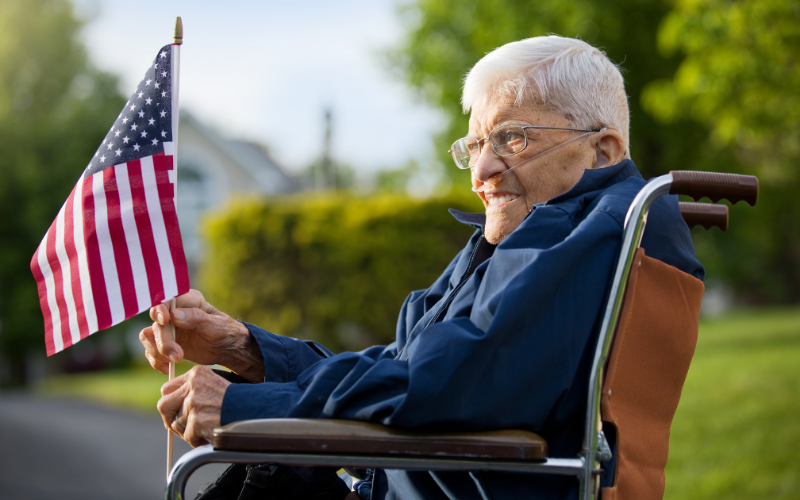
Many senior veterans face unique challenges including coping with memories of service and navigating changes in health or mobility. While physical care is essential, emotional well-being is just as crucial, which is why companionship can play just as big of a role as personal care.
Meaningful social interaction, whether through family, friends, or dedicated caregivers, can provide comfort, reduce feelings of isolation, and enhance overall quality of life. In this blog, we’ll explore why companionship is so important for senior veterans and how it can support their mental, emotional, and even physical health.
The Unique Challenges Faced by Senior Veterans
Veterans often face unique physical and emotional challenges in their later years as a result of their years spent serving. Below we look at the major areas of challenge: physical and health concerns, emotional impacts (including loneliness), and the statistics that underline the urgency of providing supportive companionship.
Physical Changes and Health Concerns Common in Older Veterans
Aging veterans often face a combination of the typical challenges of older adulthood and the lingering effects of military service. Some of the common physical and health-related issues include:
- Chronic conditions: Older veterans are more likely than many of their civilian peers to have two or more chronic conditions — for instance, hypertension, arthritis, diabetes, COPD, and/or cancer.
- Functional limitations: Studies show that older veterans may report limitations in activities of daily living (ADLs) or instrumental ADLs (IADLs) more often than non-veterans.
- Reduced physical activity: Statistics show that of veterans aged 65-79, only about 30.2 % met aerobic exercise guidelines and for those 80+, only about 22.5 % did so.
- Service-related injuries or exposures: For many veterans, years of heavy physical work, carrying loads, exposure to loud noises, or hazardous environments (e.g., burn pits, chemical exposure) can lead to musculoskeletal problems, hearing/vision loss, or respiratory issues later in life.
- Impact on mobility and independence: When physical limitations accumulate, independence can erode, which in turn affects emotional and social well-being.
These physical challenges not only make daily living more difficult, but they often reduce opportunities for social engagement and meaningful activity.
Emotional Impacts: Isolation, Loneliness, and Coping with Memories of Service
Veterans often carry emotional burdens, some of which may not surface fully until later in life. Factors include loss of a service identity, changes in social networks, memories of service (or trauma), and the widening of physical or functional limitations. Some of the key emotional impacts are:
- Loss of the “unit” or “mission” camaraderie: The close bonds formed in service may fade with age, relocation, or the passing of peers, leaving veterans missing the sense of belonging they once had.
- Feelings of invisibility or being “left behind”: Some veterans feel that once the uniform is off, the world moves on, but they are still living with the consequences of service.
- Loneliness and social isolation: Older age often brings smaller social circles, reduced mobility, and fewer routine interactions; for veterans, this can compound the sense of being disconnected.
- Reminders of trauma: Some veterans may experience delayed onset of symptoms related to trauma (e.g., PTSD), especially when stressors like retirement, loss of spouse/friends, declining health, or reduced purpose arise.
- Emotional toll of declining independence: When activities once taken for granted become harder or impossible, frustration, loss of identity, and grief over change can set in.
Statistics & Studies Highlighting Veteran Loneliness and Mental Health Needs
Statistics regarding the mental health challenges of senior veterans help underscore just how urgent these issues are. Some of the findings include:
- A 2019-2020 study of U.S. military veterans (mean age ~62) found that 56.9 % of veterans reported feeling lonely sometimes or often.
- In that same study, veterans who felt lonely often had more than 12 times greater odds of current suicidal ideation compared to those who hardly ever felt lonely.
- In a separate longitudinal study of veterans (mean age ~63), roughly 40% followed moderate-increasing or high-increasing loneliness trajectories over a 3-year period.
- Regarding quality of life associations, in a study of American veterans, every domain of quality of life (physical health, psychological health, social relationships, environment) was strongly negatively correlated with loneliness.
- On physical health activity, among older veterans entering senior age, a large majority were not meeting physical activity guidelines, increasing risk of chronic health decline.
These statistics make it clear: loneliness is not a minor or occasional issue, it’s deeply intertwined with mental-health risks, physical-health decline, and quality of life for senior veterans.
The Benefits of Companionship for Senior Veterans
Companionship is far more than friendly conversation, it’s a lifeline that supports the emotional, mental, and physical well-being of senior veterans. After years of structured service and camaraderie, maintaining social connection in later life can help fill the gap left by military community and purpose. Here’s how meaningful companionship makes a difference.
1. Emotional and Mental Well-Being
Regular interaction and emotional support can significantly reduce feelings of loneliness, depression, and anxiety. Companionship helps veterans rediscover a sense of belonging and purpose, feelings that were once deeply tied to their service. Having someone to share stories with or simply enjoy daily routines alongside can reignite confidence and lift spirits.
2. Strengthening Cognitive Health
Social engagement stimulates the mind and encourages memory recall, which is especially beneficial for veterans facing cognitive decline or early-stage dementia. Conversations, shared activities, and laughter all help keep the brain active and alert. Companionship also encourages participation in mentally stimulating hobbies like reading, puzzles, or storytelling about their experiences, activities that preserve memory and self-identity.
3. Supporting Physical Health
Veterans who receive regular companionship are more likely to stay active, eat balanced meals, and maintain healthy daily routines. Companions can encourage light exercise, accompany veterans to appointments, or simply motivate them to get outside for a walk. Research shows that social connection can even lower blood pressure, strengthen the immune system, and improve overall longevity.
4. Encouraging a Sense of Purpose and Connection
Many senior veterans struggle with a loss of mission after service. Companionship helps restore that sense of meaning by creating daily opportunities to give and receive care, share wisdom, and stay engaged in life. Whether it’s talking about their service, mentoring younger generations, or volunteering in the community, these interactions help veterans feel valued and respected.
5. Building Trust and Emotional Safety
Veterans often value loyalty, trust, and respect, qualities that form the foundation of a strong companionship relationship. A consistent, understanding companion provides not just company, but also a safe space where veterans can open up about past experiences, emotions, or challenges without judgment.
Ways to Foster Companionship for Senior Veterans
Creating meaningful companionship for senior veterans doesn’t happen by accident, it takes intention, creativity, and compassion. Whether through family connections, community involvement, or professional support, there are many ways to help veterans stay socially engaged and emotionally connected.
Home Visits and In-Home Care Programs
For veterans who prefer to remain in the comfort of home, companionship care is a powerful way to combat loneliness while supporting independence. Professional caregivers or companion aides can visit regularly to share meals, play games, go for walks, or simply provide friendly conversation. These visits also ensure someone is available to assist with daily routines, appointments, and transportation, reducing isolation while providing peace of mind for families.
Volunteer or Community Programs Designed for Veterans
Many communities offer outreach programs that bring veterans together through shared experiences. From local VFW or American Legion posts to volunteer-driven veteran support groups, these organizations create safe, welcoming spaces where camaraderie thrives. Programs like Honor Flight, veteran buddy systems, or mentoring initiatives also allow senior veterans to reconnect with a sense of mission and belonging while giving back to others.
Social Events, Clubs, and Online Communities
Social activities can spark joy and connection. Senior centers, libraries, and veterans’ organizations often host luncheons, workshops, and hobby clubs tailored for older adults. Even virtual gatherings, such as online support groups or video chats, can help veterans connect with peers who share similar backgrounds. For those with mobility limitations, these virtual spaces offer a convenient, low-stress way to stay socially active and emotionally supported.
Tips for Families on Maintaining Meaningful Connections
Family and close friends play a vital role in nurturing companionship. Small, consistent gestures can make a big difference:
- Call or visit regularly, even for short check-ins.
- Encourage storytelling about their service and life experiences.
- Plan shared activities that match their interests like cooking, watching old movies, or listening to favorite music.
- Include them in family events and decision-making to reinforce their sense of purpose and belonging.
- When possible, connect them with other veterans or caregivers who understand their experiences.
Whether through professional home care, local programs, or family engagement, every effort to build companionship strengthens a veteran’s quality of life. Consistent connection helps them feel seen, valued, and supported, because no veteran should ever feel alone in their later years.
The Role of Caregivers in Providing Companionship
Caregivers play a vital role in ensuring that senior veterans not only receive the physical assistance they need, but also the emotional connection and respect they deserve. For many veterans, caregivers become trusted allies, individuals who understand their history, honor their service, and help them maintain independence while feeling valued and supported.
Training and Qualities That Make a Difference
Caregivers who work with veterans often receive training in areas like post-traumatic stress, service-related injuries, and the value of structure and routine. Their compassion, patience, and respect help veterans feel heard and understood.
Balancing Care and Connection
Every task, from preparing meals to going for a walk, is an opportunity for conversation and camaraderie. By combining personal care with genuine human connection, caregivers support both the physical and emotional well-being of veterans.
Enhancing, Not Replacing, Family Bonds
A trusted caregiver complements family and community ties by keeping veterans engaged and connected. They’re a steady presence who fills the gaps when loved ones can’t be there, while encouraging ongoing relationships and social involvement.
Honoring Veterans with the Care and Companionship They Deserve
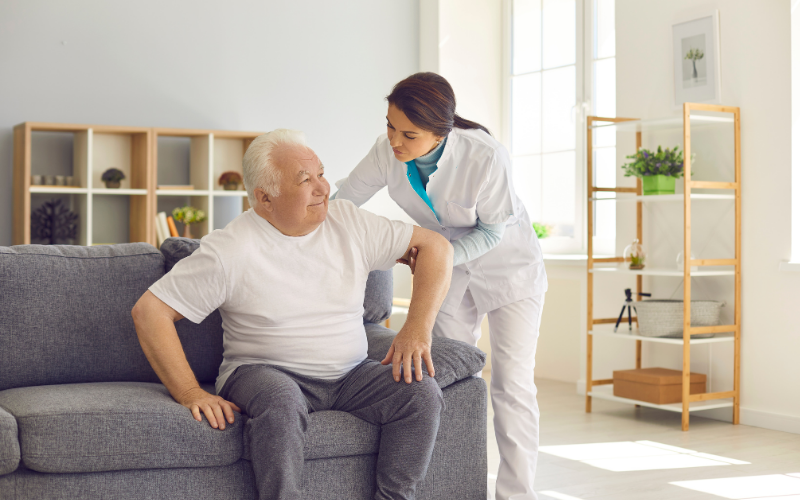
For many senior veterans, the journey after service can bring both pride and challenges, changes in health, mobility, and social connection that can deeply affect their quality of life. While personal care supports physical well-being, companionship is what nourishes the heart and mind. Through meaningful relationships, consistent emotional support, and compassionate caregiving, veterans can continue to live with dignity, independence, and purpose.
At Assisting Hands Home Care, we understand the unique needs of those who have served. Our compassionate caregivers provide both companion care and veteran home care services designed to promote comfort, connection, and peace of mind. Whether by sharing a conversation, preparing a meal, or simply being there to listen, our caregivers help veterans feel valued every day.
If you or a loved one is a veteran in need of companionship or in-home support, we’re here to help. Call Assisting Hands Home Care at (630) 634-9316 for more about our companion care for veterans in Naperville, Glen Ellyn, Lisle, Warrenville, Westmont, Wheaton, Woodridge, IL, and the surrounding areas in DuPage county.

