
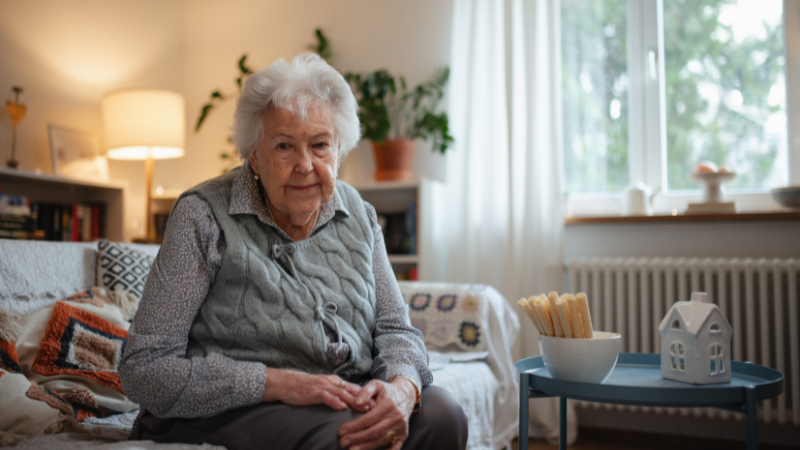
As people age, the likelihood of living alone increases, especially after the loss of a spouse or when family members live far away. While many seniors value their independence, age-related health changes can make living alone risky. Families should watch for warning signs to ensure their loved one’s safety and well-being.
Is It Safe for Seniors to Live Alone?
According to the U.S. Census Bureau, nearly 3 in 10 adults age 65 and older lived alone in 2022. Living alone can be safe with the right support. Age alone does not determine safety, health, mobility, cognition, social support, and environment; all play critical roles.
Key factors that influence safety include:
- Physical and cognitive health
- Daily living skills and mobility
- Social engagement and emotional well-being
- Home environment and accessibility
Common Risks of Seniors Living Alone
Living independently can present serious challenges as seniors experience physical, cognitive, and emotional changes. Understanding these risks helps families make informed decisions about care and support.
Fall Risk and Mobility Issues
Falls are a leading cause of injury among older adults, according to the World Health Organization (WHO). Poor balance, vision problems, muscle weakness, and limited mobility increase the risk. Stairs, slippery bathrooms, and cluttered walkways can turn everyday tasks into hazards.
How to reduce risk:
- Install grab bars in bathrooms
- Add non-slip flooring
- Keep walkways clear and well-lit
- Consider ramps or stair lifts for mobility challenges
Cognitive Decline and Memory Loss
Memory issues and cognitive decline can make managing daily activities difficult. Seniors may forget to turn off the stove, miss medications, or become disoriented. Without supervision, these challenges can compromise safety.
Warning signs to watch:
- Confusion about time or place
- Forgetting medications or meals
- Misplacing items or appliances frequently
Medical Emergencies Without Immediate Help
Seniors living alone may struggle to get timely help during emergencies such as strokes, heart attacks, or diabetic episodes. Delays can worsen outcomes and turn manageable situations into life-threatening emergencies.
Social Isolation and Mental Health
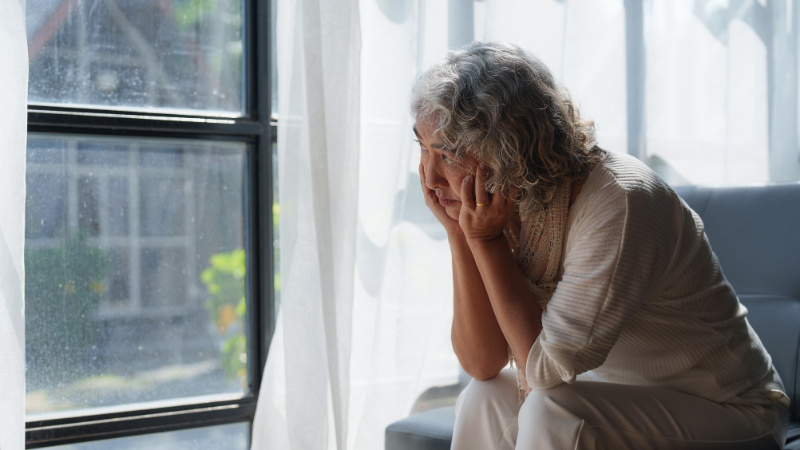
Loneliness and limited social interaction are linked to depression, anxiety, and cognitive decline. Isolation can reduce motivation to stay active, eat well, or maintain personal care, affecting overall health and quality of life.
Health Conditions That Increase Safety Risks
Certain medical conditions can make living alone especially dangerous for seniors, increasing the likelihood of accidents, missed care, and medical emergencies. When these health challenges are present, additional support may be necessary to ensure safety and quality of life.
- Dementia and Alzheimer’s Disease: Memory loss, confusion, and impaired judgment increase risks of wandering, forgetting medications, and unsafe behaviors.
- Parkinson’s Disease: Affects balance, coordination, and muscle control, raising the likelihood of falls.
- Stroke Recovery: Weakness, paralysis, and cognitive impairments limit mobility and emergency response.
- Diabetes: Seniors may miss signs of high or low blood sugar without reminders and monitoring.
- Vision or Hearing Loss: Impaired senses make it harder to detect hazards or respond to alarms.
- Arthritis and Chronic Pain: Joint stiffness restricts movement and increases fall risk.
- Heart Conditions: Sudden symptoms like chest pain or dizziness require immediate assistance.
Environmental Factors That Make Living Alone Dangerous
A senior’s living environment plays a critical role in their ability to remain safe and independent. Even relatively minor hazards within the home can become serious risks as mobility, vision, or balance decline.
Home Layout and Accessibility
- Stairs, narrow hallways, and high thresholds
- Bathrooms without support features
- Poor lighting, loose rugs, and cluttered walkways
Safety Modifications That Can Help
- Grab bars and handrails
- Non-slip flooring and better lighting
- Ramps, stair lifts, or widened doorways
Read: How Families and Caregivers Can Prevent Falls in Seniors
While home modifications improve safety, seniors with advancing health conditions may still require supervision or additional support.
Alternatives to Moving Out of the Home
For many seniors, the thought of leaving their home can be overwhelming. Fortunately, there are effective alternatives that allow older adults to remain in familiar surroundings while still receiving the support they need to stay safe and comfortable.
- In-Home Caregiving Services: Professional in-home caregiving services provide personalized assistance based on a senior’s unique needs. Caregivers can offer help with daily activities, mobility support, and supervision, allowing seniors to maintain independence while ensuring their safety.
- Companion Care: Companion care focuses on social engagement and emotional support. Caregivers provide conversation, shared activities, and friendly companionship, helping reduce loneliness and improve overall mental well-being for seniors living alone.
- Medication Reminders: Managing medications can become challenging with age. Caregivers help ensure medications are taken correctly and on schedule, reducing the risk of missed doses, overdoses, or dangerous drug interactions.
- Meal Preparation: Proper nutrition is essential for senior health, yet cooking can be difficult or unsafe for those with mobility or cognitive issues. In-home caregivers can prepare balanced meals, accommodate dietary needs, and ensure seniors are eating regularly and safely.
- Transportation Assistance: Many seniors give up driving due to safety concerns. Caregivers can provide transportation to medical appointments, grocery stores, and social activities, helping seniors stay active and connected to their community.
- Safety Monitoring and Wellness Checks: Regular monitoring and wellness checks provide peace of mind for both seniors and their families. Caregivers can identify potential safety concerns, watch for changes in health or behavior, and respond quickly if an issue arises.
When Living Alone Is No Longer Safe for Seniors
Warning signs that extra support is needed:
- Frequent falls or accidents
- Missed medications or meals
- Declining hygiene or personal care
- Confusion or memory lapses
Family caregivers should consider professional home care before situations become emergencies. Early intervention preserves independence while preventing crises and caregiver burnout.
What Families Can Do If They Are Concerned
Recognizing that an aging loved one may no longer be safe living alone can be difficult. Taking thoughtful, proactive steps can help families address concerns while respecting a senior’s independence and dignity.
- Start a Respectful Conversation: Focus on safety and well-being. Include your loved one in decision-making.
- Observe Patterns, Not One-Time Incidents: Look for repeated falls, confusion, or missed medications over time.
- Schedule a Medical or Cognitive Evaluation: Assess health, mobility, and cognitive function.
- Conduct a Home Safety Assessment: Identify hazards such as poor lighting or inaccessible bathrooms.
- Explore Support Options Before Relocation: In-home caregiving, companion care, and monitoring may prevent the need to move.
If the senior wishes to age at home, it’s important that families help them do so safely. Aging in place gives the elderly the freedom to live life on their own terms, helps them maintain their independence, and allows them to remain near friends, family, and their beloved community.
Supporting Seniors Who Want to Age Safely at Home
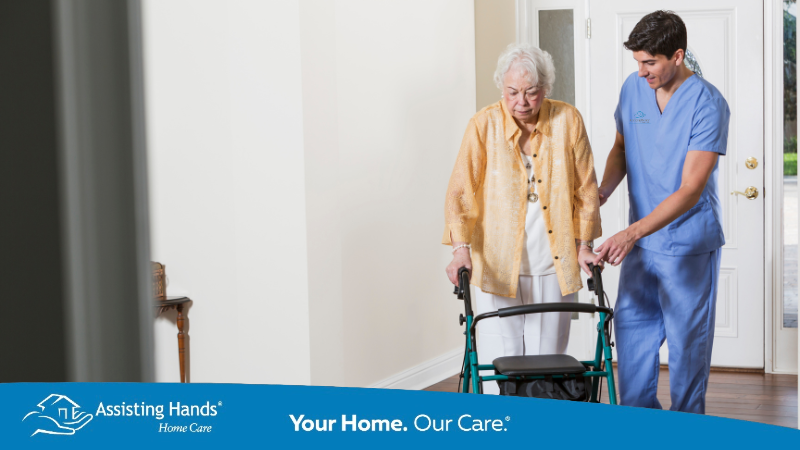
When safety is a concern for seniors living alone, it’s time to consider a reputable home care agency, such as Assisting Hands Home Care. We offer a wide range of comprehensive, non-medical care services that promote the dignity, health, safety, and comfort of the seniors we serve.
Our caregivers are licensed, bonded, and insured so families and seniors feel confident as they work in the home. Plus, they are trained in first aid and CPR and know how to respond in an emergency. Your aging loved one is safer with our alert caregivers providing monitoring and support.
Assisting Hands Home Care is the preferred elder care agency for seniors living in The Villages, Florida. Our dedicated caregivers are available to meet various scheduling needs. Contact us today for a free in-home consultation and learn how quality senior home care increases safety for seniors who live alone.
Frequently Asked Questions (FAQs)
What is the biggest risk for seniors living alone?
The biggest risk for seniors living alone is the lack of immediate help during an emergency. Falls, medical events, or sudden health changes can quickly become life-threatening when no one is nearby to assist or call for help. Ongoing issues such as missed medications, poor nutrition, and social isolation can also significantly impact safety and overall health.
Can seniors with dementia live alone?
In most cases, seniors with dementia should not live alone. Memory loss, confusion, and impaired judgment increase the risk of accidents, wandering, medication errors, and unsafe behaviors. While individuals in the very early stages may manage with close supervision and support, dementia typically progresses, making independent living unsafe without regular care or monitoring.
At what age should seniors stop living alone?
There is no specific age at which a senior should stop living alone. The decision depends on overall health, mobility, cognitive function, and the ability to manage daily tasks safely. Some seniors live independently well into their 80s or 90s, while others may need support much earlier due to medical or cognitive conditions.
What support options exist besides assisted living?
Several alternatives allow seniors to remain at home while receiving help. These include in-home caregiving services, companion care, medication reminders, meal preparation, transportation assistance, and regular safety monitoring or wellness checks. These options can provide flexible, personalized support without the need for relocation.

