
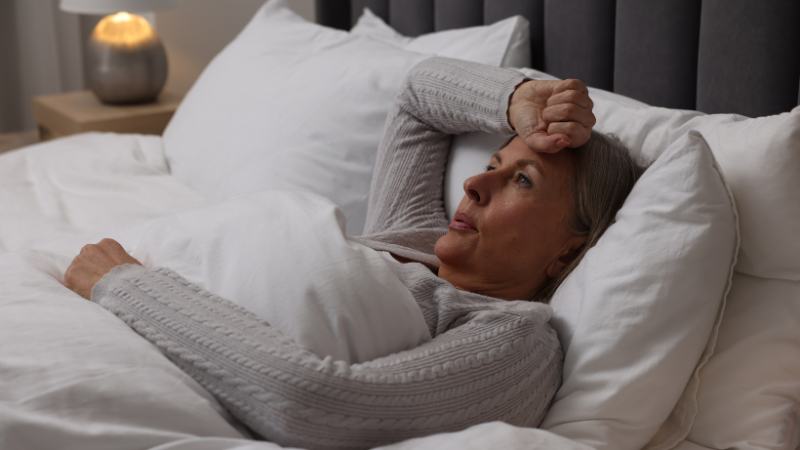
Hot flashes are sudden episodes of intense warmth that most commonly affect the face, neck, and chest and, for some individuals, may continue well beyond menopause. The sensation often spreads throughout the upper body and may be accompanied by sweating, flushed skin, and even chills once the episode passes. The severity of hot flashes varies from person to person, ranging from mild discomfort to more intense episodes that can disrupt daily routines and quality of life.
In this guide, we’ll discuss whether hot flashes are normal in seniors, what hot flashes typically feel like in older adults, the 10 common causes of hot flashes in the elderly, how caregivers can help an aging loved one manage symptoms, when hot flashes may signal an underlying health concern, and when it may be time to consider senior home care.
Key Takeaways
Hot flashes in the elderly are most commonly caused by lingering hormonal changes after menopause, low testosterone in older men, medication side effects, thyroid disorders, stress, certain foods and drinks, or underlying medical conditions. While occasional hot flashes are often harmless, new or severe symptoms should be evaluated by a healthcare provider to rule out more serious causes.
Are Hot Flashes Normal in Seniors?
Hot flashes can be normal in older adults, but they are not always caused by aging itself. Many people associate hot flashes with menopause, and some women indeed continue to experience them for years or even decades after menopause due to ongoing hormonal changes. However, hot flashes can also affect seniors for reasons unrelated to menopause.
In older adults, hot flashes may occur because of changes in hormone levels, side effects from medications, medical conditions, stress, diet, or environmental factors. Men can also experience hot flashes, particularly if they have low testosterone levels or are undergoing certain medical treatments.
When Are Hot Flashes a Cause for Concern?
Occasional hot flashes that are mild and predictable are often not a cause for concern. However, frequent, severe, or sudden-onset hot flashes, especially when accompanied by unexplained weight loss, rapid heartbeat, dizziness, fever, chest pain, or persistent night sweats, may indicate an underlying medical condition that should be evaluated by a healthcare provider.
Understanding what is causing the hot flashes can help seniors receive the appropriate treatment while improving comfort, daily functioning, and overall quality of life.
What Do Hot Flashes Feel Like in Older Adults?
Hot flashes can feel different from person to person, but most older adults describe them as a sudden sensation of heat that seems to build quickly and spread throughout the upper body. The warmth often starts in the chest or neck and moves upward to the face, creating a flushed or reddened appearance.
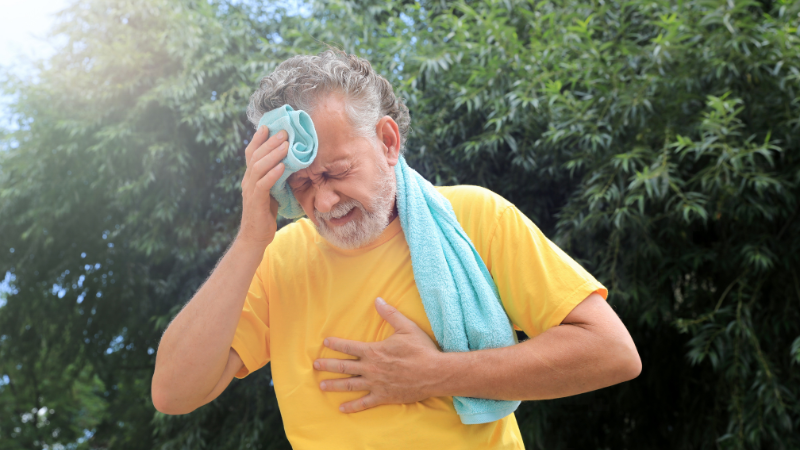
During a hot flash, seniors may experience excessive sweating, damp clothing, a racing heartbeat, tingling sensations, or a feeling of discomfort that makes it difficult to concentrate or continue normal activities. Some people describe feeling as though the room suddenly became much warmer, even when the temperature has not changed.
How Long Do Hot Flashes Last?
Most hot flashes last anywhere from 30 seconds to 5 minutes, although some episodes may last longer. They can occur during the day or at night. When they happen during sleep, they are often referred to as night sweats and may interrupt sleep, contribute to fatigue, increase irritability, and reduce daytime energy.
What Happens After a Hot Flash?
Once the episode ends, many seniors experience chills or suddenly feel cold as their body temperature returns to normal. Because symptoms vary in both frequency and intensity, keeping track of when hot flashes occur, how long they last, and what may have triggered them can help identify patterns and make symptom management easier.
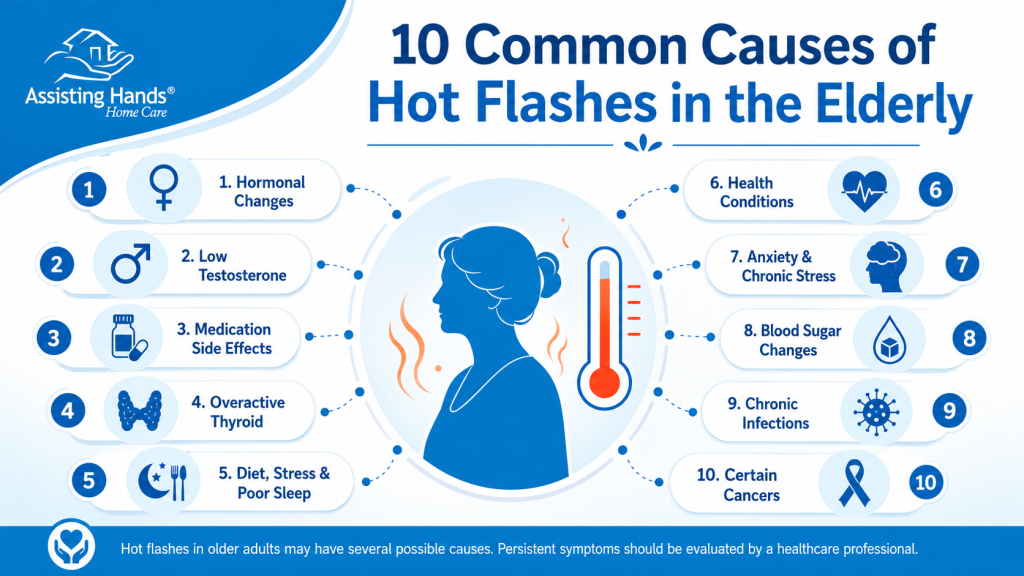
10 Common Causes of Hot Flashes in the Elderly
Hot flashes in older adults can occur for several reasons and are not always directly related to aging. Identifying the underlying cause can help seniors manage symptoms more effectively and determine whether medical evaluation is needed.
1. Lingering Hormonal Changes
Hormonal fluctuations remain one of the most common causes of hot flashes in older adults. Approximately 75% to 80% of women experience hot flashes during the menopausal transition, making them one of the most common menopause symptoms. While symptoms often improve over time, many women continue experiencing hot flashes well into their 60s and beyond.
2. Low Testosterone in Older Men
Men can also experience hot flashes, especially when testosterone levels decline with age. In some cases, symptoms may become more noticeable during treatment for prostate-related conditions. Persistent or disruptive symptoms should be discussed with a healthcare provider.
3. Medication Side Effects
Certain medications can trigger hot flashes or make them more frequent. Common examples include medications that affect hormones, blood pressure, mood, or metabolism. In some cases, symptoms improve as the body adjusts, but medication changes should only be made under medical guidance.
4. Overactive Thyroid (Hyperthyroidism)
An overactive thyroid can increase body temperature regulation issues and lead to symptoms such as excessive sweating, heat intolerance, and hot flashes. Medical treatment can often help control symptoms and restore hormone balance.
5. Diet, Stress, and Poor Sleep Habits
Lifestyle factors can strongly influence the frequency and severity of hot flashes. Spicy foods, caffeine, alcohol, emotional stress, dehydration, and poor-quality sleep may trigger or worsen episodes. Maintaining healthy daily habits may help reduce symptoms.
6. Underlying Health Conditions
Certain health conditions can contribute to hot flashes or make them feel more intense. Conditions such as diabetes, cardiovascular disease, infections, and other metabolic disorders may affect circulation and body temperature regulation. If hot flashes appear suddenly or become severe, medical evaluation is recommended.
7. Anxiety and Chronic Stress
Stress can trigger the body’s natural “fight-or-flight” response, causing blood vessels to widen and body temperature to fluctuate. Older adults dealing with anxiety, caregiver stress, grief, or emotional challenges may notice more frequent hot flashes, especially during stressful situations or at night. Practicing relaxation techniques and managing stress can often help reduce episodes.
8. Blood Sugar Changes
Older adults with diabetes or those who experience low blood sugar (hypoglycemia) may develop symptoms that closely resemble hot flashes, including sweating, warmth, shakiness, dizziness, and a racing heartbeat. Because blood sugar fluctuations can become serious if left untreated, seniors experiencing these symptoms should discuss them with their healthcare provider.
9. Chronic Infections
Although less common, certain infections can cause recurring hot flashes and night sweats. Conditions such as tuberculosis, endocarditis, and other chronic infections may interfere with the body’s temperature regulation. Persistent fever, unexplained fatigue, or ongoing night sweats should always be medically evaluated.
10. Certain Types of Cancer
In rare cases, hot flashes may be associated with certain cancers or cancer treatments. Some lymphomas, neuroendocrine tumors, and hormone-related cancers can cause episodes of flushing or excessive sweating. While these conditions are uncommon, sudden hot flashes accompanied by unexplained weight loss, enlarged lymph nodes, persistent fatigue, or recurring night sweats warrant prompt medical attention.
Can Hot Flashes in Seniors Be Prevented?
Although it may not always be possible to completely prevent hot flashes, many seniors can reduce how often they occur and lessen their severity by making healthy lifestyle choices.
Some of the most effective prevention strategies include:
- Staying well hydrated throughout the day
- Maintaining a healthy body weight
- Exercising regularly with a physician’s approval
- Limiting spicy foods, caffeine, alcohol, and smoking
- Keeping bedrooms and living areas cool
- Wearing lightweight, breathable clothing
- Managing stress through meditation, gentle exercise, or deep breathing
- Reviewing medications with a healthcare provider to identify possible side effects
For many older adults, making just a few small lifestyle adjustments can significantly improve comfort and reduce the frequency of hot flashes.
How Caregivers Can Help an Elderly Loved One Manage Hot Flashes
In many cases, hot flashes can be managed at home through lifestyle adjustments and healthy daily habits. However, treatment depends on the frequency and severity of symptoms, as well as any underlying causes. Seniors should always speak with their healthcare provider to determine the most appropriate treatment plan for their individual needs.
Here are some ways to help manage hot flashes:
- Make Lifestyle Adjustments: Dress in lightweight, breathable clothing and wear layers that can be removed during a hot flash. Keeping indoor spaces cool and carrying a portable fan can also help provide quick relief when symptoms occur.
- Avoid Trigger Foods and Drinks: Certain foods and beverages may make hot flashes more frequent or intense. Common triggers include alcohol, spicy foods, caffeine, and overly hot drinks. Keeping a symptom journal may help identify personal triggers.
- Quit Smoking: Smoking has been linked to more frequent and severe hot flashes. Quitting smoking may help reduce symptoms while also supporting overall heart, lung, and long-term health.
- Maintain a Healthy Weight and Stay Active: Regular physical activity and maintaining a healthy weight may help reduce the severity of hot flashes. Excess body weight has been associated with more frequent episodes in some individuals, especially older women.
- Practice Relaxation and Stress Management Techniques: Stress can make hot flashes feel more intense. Activities such as mindfulness, meditation, deep breathing exercises, gentle stretching, and yoga may help promote relaxation and improve symptom management.
- Explore Treatment Options with Your Doctor: If lifestyle changes are not enough, healthcare providers may recommend additional treatment options. Depending on the cause of the symptoms, non-hormonal therapies or other medical approaches may help improve comfort and quality of life.
How Doctors Diagnose the Cause of Hot Flashes
Because many different health conditions can contribute to hot flashes, healthcare providers typically begin by reviewing a senior’s medical history, medications, and symptoms.
Depending on the situation, a doctor may recommend:
- A physical examination
- Blood tests to evaluate thyroid function
- Blood sugar testing
- Medication review
- Hormone testing when appropriate
- Additional imaging or laboratory testing if another medical condition is suspected
Identifying the underlying cause allows healthcare providers to recommend the most effective treatment while ruling out more serious health concerns.
When Hot Flashes in Seniors Are a Warning Sign
Hot flashes are most commonly associated with midlife and the postmenopausal years, but when they occur in seniors, especially women over 60, they can sometimes point to underlying health concerns that may require medical attention.
While hot flashes linked to menopause or natural hormonal changes are often harmless, severe, frequent, or persistent episodes, particularly when paired with night sweats, sleep disturbances, or additional symptoms, should not be ignored. Research also suggests that severe hot flashes and night sweats in older adults may be associated with an increased risk of cardiovascular disease and cognitive decline, making it especially important to monitor symptoms closely.
Symptoms That May Indicate a Deeper Issue
Pay attention if hot flashes are accompanied by any of the following:
- Severe or frequent episodes that interfere with sleep or daily activities
- Night sweats that cause repeated awakenings
- Rapid heartbeat, dizziness, or feelings of anxiety during episodes
- Sudden onset of hot flashes after menopause with no prior history
- Existing health conditions such as heart disease, thyroid disorders, or certain cancers
Hot flashes can also be influenced by medications, hormone therapies, anxiety, caffeine intake, spicy foods, or other underlying medical conditions.
When to Consider In-Home Support
Hot flashes are most commonly associated with perimenopause and menopause, but for many individuals, they can persist for years and sometimes continue into their 60s and beyond. When this happens, symptoms may begin to affect sleep quality, mood, and overall daily functioning.
In many cases, hot flashes can be managed with a combination of lifestyle changes and medical treatments. However, when symptoms become more disruptive or difficult to control, additional support may be needed.
Signs Your Loved One May Benefit from In-Home Care
Consider in-home support if your loved one is experiencing any of the following:
- Frequent or severe symptoms: Hot flashes that lead to repeated nighttime waking, irritability, difficulty concentrating, or ongoing fatigue
- Disruption to daily life: Challenges maintaining normal routines, such as missing social activities, struggling with responsibilities, or neglecting personal care
- Sleep-related complications: Night sweats that contribute to poor sleep quality, skin irritation, or an increased risk of falls during the night
- Difficulty managing triggers: Trouble staying cool or controlling environmental factors due to mobility limitations, hot climates, or difficulty adjusting fans, clothing, or bedding
- Increased health risks: Episodes of dizziness or instability during hot flashes, or worsening symptoms tied to underlying conditions such as heart disease or diabetes
When hot flashes begin to interfere with safety, comfort, or independence, in-home care can provide valuable support. Caregivers can assist with daily routines, help maintain a comfortable environment, and ensure your loved one is monitored and supported when symptoms occur.
Supporting Comfort and Independence Through Every Stage of Aging
While many seniors successfully manage occasional hot flashes through healthy lifestyle habits and medical treatment, persistent symptoms can begin affecting sleep, energy levels, balance, and overall quality of life. Frequent nighttime episodes may increase fatigue, make daily activities more difficult, and even contribute to fall risk in some older adults. When hot flashes begin interfering with comfort or independence, additional support at home may become beneficial.
When symptoms become harder to manage at home, professional in-home care can make a meaningful difference. Compassionate caregivers can help seniors maintain a comfortable environment, support healthy routines, assist with hydration and rest, and provide reassurance during episodes. Just as importantly, they can help reduce risks associated with dizziness, sleep disruption, and nighttime instability.
If your loved one is struggling with persistent or disruptive hot flashes, support is available. Assisting Hands Home Care – Fort Myers offers compassionate elderly home care services designed to help seniors stay safe, comfortable, and supported in the place they know best, their home. Give us a call at (239) 510-7761 for more information about our senior home care services in Fort Myers, FL, and the surrounding areas.
Frequently Asked Questions (FAQs)
At what age do hot flashes usually stop?
There is no single age when hot flashes stop for everyone. For many people, they begin during perimenopause and improve within a few years after menopause. However, some women continue to experience hot flashes into their 60s, 70s, or even longer. The duration varies widely depending on hormone levels, overall health, stress, lifestyle factors, and individual physiology.
Can elderly men get hot flashes?
Yes. Although hot flashes are more commonly discussed in relation to menopause, older men can also experience them. In men, hot flashes are often linked to low testosterone levels, certain medications, prostate cancer treatments, or underlying medical conditions. If symptoms are frequent or disruptive, it’s important to speak with a healthcare provider.
Are hot flashes in the elderly a sign of something serious?
Not always. In many cases, hot flashes are related to hormonal changes, medications, diet, or environmental triggers. However, in older adults, especially when symptoms are new, severe, or persistent, they can sometimes signal an underlying issue such as thyroid disorders, cardiovascular conditions, infections, or metabolic problems. Hot flashes accompanied by chest pain, shortness of breath, dizziness, or unexplained weight loss should always be evaluated by a doctor.
What’s the difference between a hot flash and a fever in seniors?
A hot flash is a sudden sensation of heat caused by changes in the body’s temperature regulation system, often without an actual rise in core body temperature. A fever, on the other hand, is a measurable increase in body temperature usually caused by infection or illness. In seniors, fevers often come with additional symptoms like chills, body aches, or weakness, while hot flashes tend to be brief episodes of heat, flushing, and sweating that come and go.
How can I help my elderly parents sleep through hot flashes?
Improving sleep during hot flashes often involves a combination of comfort adjustments and trigger management. Keeping the bedroom cool, using breathable bedding, and dressing in lightweight sleepwear can help reduce nighttime episodes. Avoiding triggers such as caffeine, alcohol, and heavy meals before bed may also help. Encouraging relaxation techniques like deep breathing or mindfulness before sleep can reduce stress-related flare-ups. If night sweats are frequent or severe, it may be helpful to consult a healthcare provider to explore treatment options or medication adjustments.

