
New Alzheimer’s Association Report Examines Racial and Ethnic Attitudes on Alzheimer’s and Dementia Care
Annual report shows more than 6 million Americans are living with Alzheimer’s Deaths attributable to Alzheimer’s and dementia spike during…
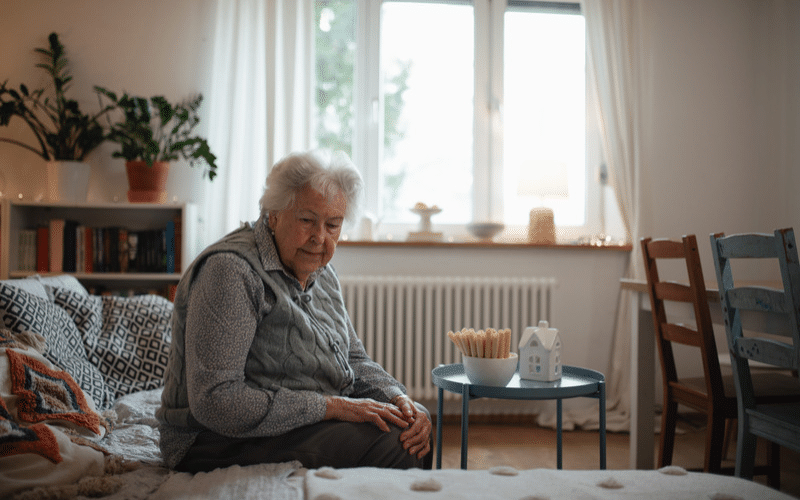
Many older adults want to remain in the homes they know and love, surrounded by familiar routines, cherished memories, and the comforts of everyday life. But as the years go by, staying at home can also mean spending more time alone. A spouse may pass away, friends may move or become less mobile, and driving may no longer be an option. Meanwhile, adult children are often balancing work, family responsibilities, and their own busy schedules. Gradually, a once-active social life can give way to long, lonely days.
This kind of isolation is more than just a matter of having fewer people to talk to. Nearly one in four adults aged 65 and older experiences social isolation. The good news is that families can take steps to help. Companion care offers a practical way to bring regular conversation, meaningful activities, and social connection into an older adult’s daily routine, helping them feel less alone while continuing to live at home.
Social isolation is a lack of relationships and regular contact with other people, while loneliness is the feeling of being alone or disconnected, whether or not anyone else is around. The two often overlap, but they are not the same thing. A senior who lives alone and chats with a neighbor every morning may feel perfectly content, while another who lives with family can still feel lonely if no one has the time to sit down and talk.
The distinction is important because each one calls for a different solution. Isolation is eased by more contact, such as visits, rides, and outings while loneliness is eased by meaningful interactions, which usually come from spending time with a person who knows your loved one well and enjoys their company.
Staying socially connected benefits physical health as much as emotional well-being. According to the CDC, social isolation and loneliness are linked to a higher risk of heart disease, stroke, type 2 diabetes, depression, anxiety, dementia, and premature death. Research summarized by the National Academies found that social isolation is associated with a roughly 50 percent greater risk of dementia. Poor social relationships were also associated with a 29 percent higher risk of heart disease and a 32 percent higher risk of stroke.
Helping a loved one stay socially active involves more than simply keeping them occupied. A television may fill a quiet afternoon, but it cannot ask about the grandchildren, remember how someone takes their coffee, or share a laugh over an old story. Often, what older adults miss most are the simple, everyday interactions that make them feel connected: talking over coffee, sharing a meal, taking a walk around the block, or playing cards with someone who genuinely enjoys their company.
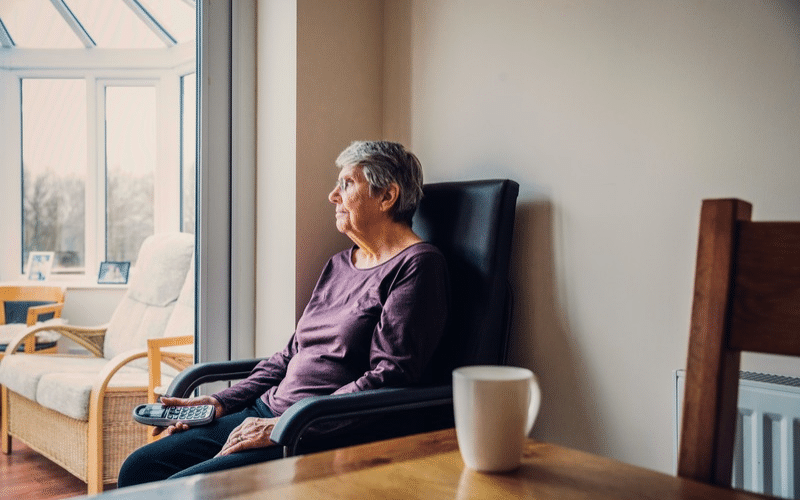
Loneliness doesn’t look the same for everyone, and many older adults hesitate to talk about it because they don’t want to worry their families. Instead, it often shows up in small changes in their behavior, mood, or daily routines. Here are some common signs to watch for:
Certain life changes also make isolation more likely, including the recent loss of a spouse or close friend, giving up driving, hearing loss, and health or mobility problems that make it hard to get out.
These signs don’t necessarily mean your loved one is lonely, and some may point to an underlying health issue worth discussing with their doctor. Still, they can be a good reason to check in and start a conversation. Ask what a typical day looks like, who they’ve had a chance to talk with recently, or whether there are activities they miss but can no longer enjoy on their own. Their answers can help you understand where they may need more social interaction and support.
Companion care provides non-medical support at home, with visits shaped around your loved one’s interests, routines, and personality. Regular visits give seniors a familiar face to look forward to and create opportunities for conversation, activities, and meaningful social interaction. Families also gain peace of mind knowing someone they trust is checking in and spending time with their loved one.
At Assisting Hands Jersey Shore, companion care can include:
Much of the value of companion care comes from making everyday routines more enjoyable by sharing them with someone else. Lunch becomes a chance to talk rather than another meal alone, and a trip to the grocery store offers a change of scenery and an opportunity to catch up with familiar faces. As visits become routine, a caregiver gets to know your loved one’s stories, preferences, and little habits. That familiarity helps build a genuine connection and makes each visit something to look forward to.
Companion care can also help seniors take advantage of activities and programs already available in their community. Senior centers throughout Monmouth County offer exercise classes, card games, and group outings. A caregiver can provide transportation, companionship, and a little encouragement to make participating easier. Our guide to Monmouth County senior resources is a good starting point for exploring what’s available nearby.
Families often wait until a problem arises before exploring home care, but companion care can be most helpful when it starts before loneliness takes a serious toll. Introducing a caregiver while your loved one is still relatively independent gives them time to build a comfortable relationship and establish a routine they enjoy.
It may be time to consider companion care if your loved one:
Even a few hours of companionship each week can give an older adult something to look forward to and help them stay socially engaged. It also gives family members peace of mind, knowing someone is spending time with their loved one when they can’t be there themselves. Aging in place doesn’t have to mean facing each day alone.

If you are worried that a parent or loved one is spending too much time alone, Assisting Hands Jersey Shore can help. We start with a free in-home consultation, where we get to know your loved one and your family, talk through the kind of support that would be most welcome, and match them with a caregiver whose skills and personality are a good fit.
Call Assisting Hands Jersey Shore at (732) 592-1557 to learn more about our companion care services in Sea Girt, Manasquan, Belmar, Bradley Beach, Rumson, Little Silver, Point Pleasant, Brick, Toms River, Manchester, and the surrounding areas of Monmouth and Ocean Counties.
What is the difference between loneliness and social isolation?
Social isolation is a lack of relationships and regular contact with other people. Loneliness is the feeling of being alone or disconnected, and it can happen even when other people are around. A senior can experience one without the other, although the two often go together.
Is social isolation harmful to a senior’s health?
Yes. According to the CDC, social isolation and loneliness can raise the risk of heart disease and stroke, type 2 diabetes, depression and anxiety, dementia, and earlier death. Regular, meaningful contact with other people is an important part of staying healthy at any age.
What does a companion caregiver do?
A companion caregiver provides non-medical support in the home. That includes conversation, games, hobbies, and shared meals, along with practical help such as meal preparation, errands, rides to appointments and outings, light housekeeping, and medication reminders.
How many hours of companion care does a senior need?
There is no set number, because it depends on how much time your loved one spends alone and what they enjoy doing. Many families begin with a few hours once or twice a week and add more visits as the relationship with the caregiver grows.
How do I talk to my parent about companion care?
It usually helps to start with what your parent would gain, such as a ride to the senior center, help with the grocery shopping, or someone to share lunch with. Suggesting a short trial of one or two visits lets them meet the caregiver and decide for themselves how it feels.
Annual report shows more than 6 million Americans are living with Alzheimer’s Deaths attributable to Alzheimer’s and dementia spike during…
EDITOR’S NOTE: This content has been provided to Assisting Hands Home Care by Mass Mutual New Jersey-NYC as part of…
It’s natural for some of us to struggle at times to make conversation with others, whether they are family members,…
**Editor’s Note: This is part of an informational series called Notes from the Nurse to increase awareness and understanding of health or…


