
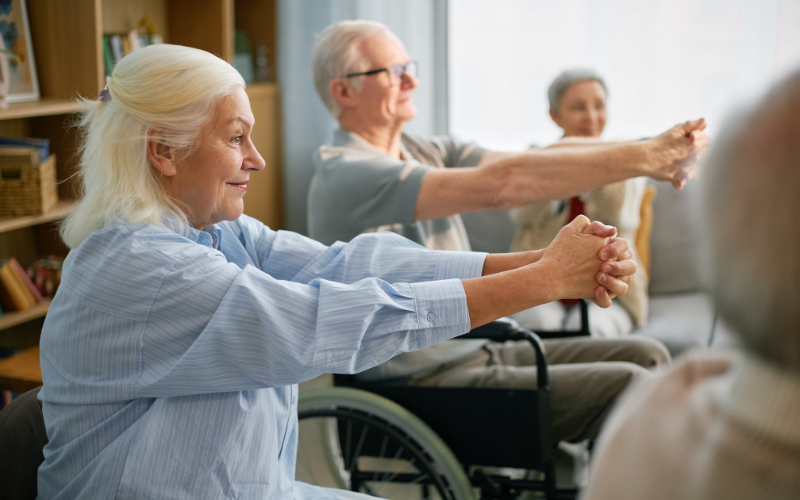
Staying active is one of the most important factors in supporting seniors’ overall health, independence, and quality of life. Regular movement and engagement, whether physical, mental, or social, can help older adults maintain strength, improve balance, sharpen cognitive function, and boost emotional well-being. Yet as people age, it’s common for activity levels to decline due to health challenges, mobility limitations, or simply a lack of motivation or opportunity.
The good news is that “staying active” doesn’t have to mean strenuous exercise or structured routines. It can include gentle walks, light stretching, hobbies, social visits, or even daily household tasks. With the right encouragement and support, seniors can continue to lead fulfilling, engaged lives that promote both physical and emotional wellness.
In this guide, we’ll explore why keeping seniors active is so essential, the benefits it provides, and practical ways families and caregivers can help older adults stay involved, energized, and connected as they age.
Benefits of Keeping Seniors Physically Active
Physical activity plays a vital role in helping older adults maintain independence, prevent health complications, and enjoy a higher quality of life. Even light to moderate movement can make a meaningful difference, especially when it is done consistently and tailored to an individual’s abilities.
Short-Term Benefits
In the immediate term, staying physically active can lead to noticeable improvements in day-to-day well-being. Seniors often experience increased energy levels, lower blood pressure, better mood, and reduced feelings of stress or anxiety after regular movement. Gentle exercise can also improve balance and coordination, lowering the risk of falls and injuries. Many older adults find that staying active helps them sleep better at night and manage stiffness or joint discomfort more effectively.
Long-Term Benefits
Over time, the advantages of physical activity become even more impactful. Regular movement supports heart health, helps maintain a healthy weight, and can reduce the risk of chronic conditions such as diabetes, osteoporosis, and high blood pressure. It also plays a key role in preserving muscle strength, bone density, and mobility, factors that are essential for long-term independence. Just as importantly, staying active has been linked to better cognitive health, helping to slow memory decline and support overall brain function.
By incorporating regular physical activity into daily routines, seniors can enjoy both immediate improvements in how they feel and long-lasting benefits that support healthier, more independent aging.
How Seniors Can Stay Physically Active
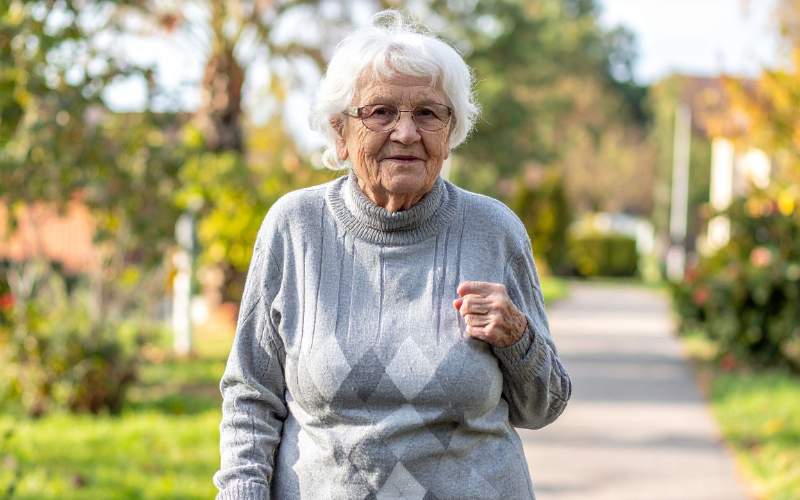
Staying physically active doesn’t require intense workouts or long exercise sessions. For seniors, the key is consistency, safety, and choosing activities that match their comfort level and abilities. Even small amounts of daily movement can lead to meaningful health benefits over time.
- Taking walks: One of the simplest ways to stay active is with daily walks, whether around the neighborhood, inside a shopping center, or even around the home. Walking helps improve cardiovascular health, supports joint mobility, and encourages regular movement without putting too much strain on the body. For those with limited mobility, even short, frequent walks can make a difference.
- Stretching and gentle flexibility exercises: Activities like light yoga or chair stretches can help reduce stiffness, improve range of motion, and make everyday tasks easier. These exercises are especially helpful in the morning or after long periods of sitting.
- Light household tasks: Household activities such as light cleaning, gardening, or organizing can also serve as effective ways to stay active. These tasks keep the body moving while providing a sense of purpose and accomplishment.
- Staying socially active: For seniors who enjoy social interaction, group fitness classes or community programs designed for older adults can be a great option. These not only promote physical health but also support emotional well-being by reducing isolation and encouraging connection.
- Safety comes first: Seniors should choose activities that are appropriate for their health conditions and consult with a healthcare provider if needed. With the right approach, staying physically active can be both enjoyable and sustainable, helping older adults maintain independence and improve their overall quality of life.
Benefits of Keeping Seniors Socially Active
Social activity is just as important as physical movement when it comes to healthy aging. Staying socially engaged helps seniors maintain emotional well-being, cognitive sharpness, and a stronger sense of purpose in their daily lives. Regular interaction with others, whether family, friends, or community members, can significantly improve overall quality of life.
Short-Term Benefits
In the short term, social engagement helps reduce feelings of loneliness, boredom, and isolation, which are common challenges for older adults. Simple activities like phone calls, shared meals, visits, or participation in group activities can immediately lift mood and provide a sense of connection. Social interaction also encourages mental stimulation through conversation, laughter, and shared experiences, which can help improve focus and emotional balance.
Long-Term Benefits
Over time, staying socially active can have a lasting positive impact on both mental and cognitive health. Studies have shown that regular social engagement may help reduce the risk of depression, anxiety, and even cognitive decline. Seniors who remain socially connected often experience better memory retention and stronger problem-solving skills. In addition, maintaining relationships and community involvement fosters a sense of belonging and purpose, which is closely linked to greater life satisfaction and overall well-being.
Encouraging seniors to stay socially active, whether through family involvement, community programs, or companionship, helps ensure they remain emotionally supported, mentally engaged, and more resilient as they age.
How Seniors Can Stay Socially Active
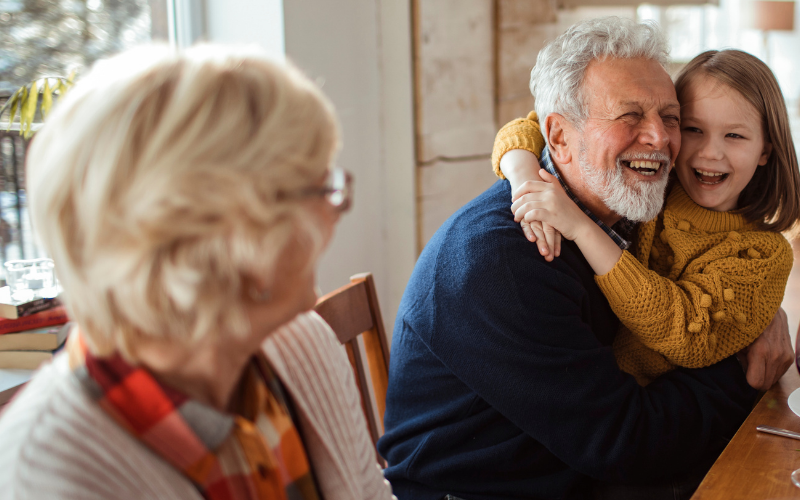
Staying socially active is essential for maintaining emotional health and a strong sense of connection to the world around them. Fortunately, there are many simple and enjoyable ways seniors can continue building and maintaining meaningful relationships.
- Regular family and friend interactions: This can include scheduled phone or video calls, weekly visits, shared meals, or participating in family events. Even small, consistent moments of connection help reduce feelings of isolation and strengthen emotional bonds.
- Community involvement: Seniors can participate in local senior centers, religious organizations, hobby clubs, or volunteer programs. These settings provide opportunities to meet new people, engage in group activities, and maintain a sense of purpose.
- Group classes and workshops: For those who enjoy learning or creative expression, group classes and workshops can be especially beneficial. Activities such as art classes, book clubs, music groups, or educational seminars encourage conversation and collaboration while keeping the mind engaged.
- Connection through technology: Technology also plays an important role in staying connected. Many seniors are now using social media, messaging apps, and video calling platforms to stay in touch with loved ones, join online communities, and participate in virtual events from the comfort of home.
- Home care: In-home care and companionship can make a significant difference for seniors who may have limited mobility or live alone. Having a caregiver or companion provides not only assistance with daily tasks but also meaningful social interaction and emotional support.
How Home Care Helps Seniors Stay Active
Home care plays an important role in helping seniors maintain both physical and social activity in a safe, consistent, and supportive way. As aging can bring challenges such as reduced mobility, chronic conditions, or a lack of motivation, having reliable assistance at home can make it much easier for older adults to stay engaged in daily life.
On the physical side, caregivers can provide encouragement and support for movement-based activities such as walking, stretching, and light exercises. They can also assist with safe mobility around the home, help reduce fall risks, and encourage seniors to stay active in ways that match their abilities and health conditions. This consistent guidance helps seniors build confidence and maintain strength without feeling overwhelmed or unsafe.
Home care also supports daily routines that naturally promote activity, such as meal preparation, light housekeeping, and running errands. These everyday tasks keep seniors moving throughout the day, which contributes to better circulation, flexibility, and overall physical health.
Just as importantly, caregivers provide meaningful social interaction and companionship. Regular conversation, shared activities, and emotional support help reduce loneliness and encourage seniors to stay mentally and socially engaged. Caregivers can also facilitate outings, accompany seniors to appointments, or support participation in community activities when appropriate.
By combining physical assistance, daily structure, and companionship, home care helps seniors stay active in a balanced and sustainable way, supporting not only their health, but also their independence and overall quality of life.
Senior Companion Care from Assisting Hands Home Care
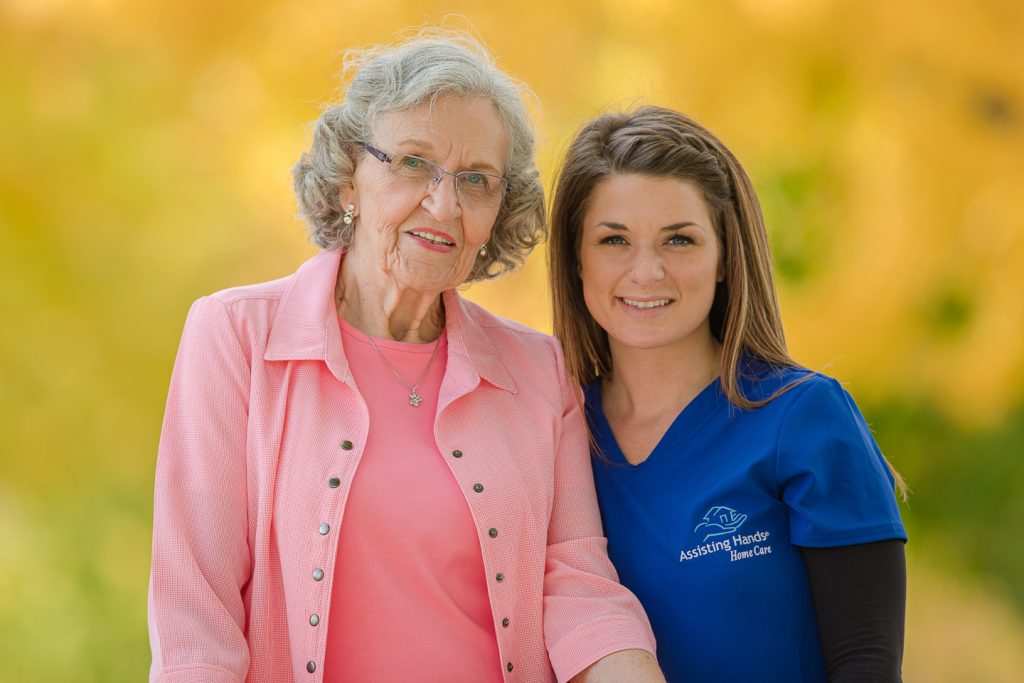
Keeping seniors active physically, socially, and emotionally is one of the most effective ways to support healthy aging and preserve independence. Whether it’s through daily movement, meaningful conversations, or participation in community activities, staying engaged helps older adults feel more energized, connected, and fulfilled. The key is consistency and finding activities that are both enjoyable and appropriate for each individual’s abilities.
For many families, ensuring a loved one stays active can be challenging without additional support. If your loved one could benefit from companionship, encouragement, and help staying engaged in daily life, Assisting Hands Home Care offers compassionate senior companion care that supports physical and social activity. Caregivers provide not only assistance with everyday tasks, but also meaningful social interaction, emotional support, and encouragement to stay active and involved.
To learn more about how companion care can help your loved one stay safe, engaged, and active at home, call us at (321) 455-5778. We proudly serve seniors and their families in Palm Bay, Barefoot Bay, Melbourne, Viera and the surrounding areas throughout all of Brevard County, Florida.

