
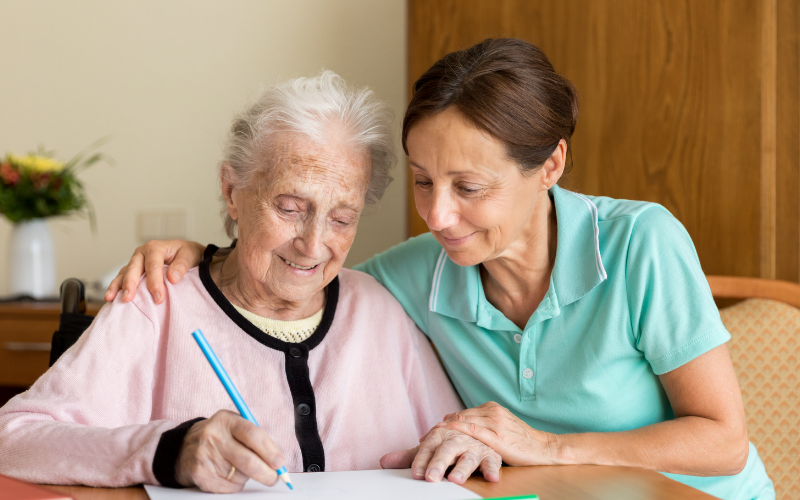
Caring for a loved one with dementia at home is both an act of love and a significant responsibility. As conditions like Alzheimer’s disease and vascular dementia progress, families often find themselves navigating memory loss, personality changes, safety concerns, and increasing daily care needs. While the journey can feel overwhelming at times, many families successfully support a loved one at home with the right knowledge, preparation, and resources.
Creating a safe environment, establishing consistent routines, managing behavioral changes, and knowing when to seek additional help are all essential parts of effective dementia care. In this guide, we’ll explore practical strategies and compassionate tips to help you provide quality care, protect your loved one’s dignity, and maintain your own well-being along the way.
Stages of Dementia
Dementia is a progressive and irreversible condition caused by damage to brain cells. It can be triggered by specific diseases, such as Alzheimer’s or Parkinson’s disease. In the United States, approximately 7.2 million people are living with Alzheimer’s, the most common form of dementia. Vascular dementia, which often develops after a stroke, is the second most prevalent type.
Dementia typically advances in stages: mild, moderate, and severe. In the mild stage, seniors may struggle with memory, such as forgetting names or searching for the right words. Emotional changes are common, with individuals experiencing sadness, depression, or a loss of interest in activities they once enjoyed.
As the condition progresses to moderate dementia, seniors may have difficulty managing personal hygiene and daily routines. Poor judgment, confusion, and occasional inappropriate language are common, and some individuals may begin to wander.
In the severe stage, dementia requires around-the-clock care. Memory loss becomes profound, and seniors may no longer recognize family or close friends. Physical abilities decline, leading to challenges with mobility, eating, swallowing, and bladder control. Comprehensive support is essential to ensure safety, comfort, and quality of life during this stage.
Caring for Seniors in the Early Stages of Dementia
During the early stages of dementia, many seniors remain largely independent. They may still be able to walk, bathe, drive, socialize, and even work. After receiving a diagnosis, the senior and family members should have an open conversation about long-term care preferences, as well as important financial and legal planning.
Individuals with mild dementia may begin exploring available treatment options or even consider participating in clinical trials. Both the senior and family caregivers can benefit greatly from connecting with local support services, educational programs, and community resources designed to provide guidance during this stage.
At home, evaluate whether safety could become a concern, especially if the senior lives alone. Supervision may be helpful in certain situations and reducing stressful or overly complex tasks can prevent frustration. For example, if grocery shopping becomes overwhelming, assist your loved one in creating a simple weekly meal plan and shopping list to make the task more manageable.
Experts recommend starting from the assumption that the senior is capable of completing tasks independently. If frustration arises, look for the root cause and step in thoughtfully rather than immediately taking over. Preserving independence helps maintain dignity and confidence.
Develop subtle ways to offer assistance. Agree on a word or gesture that signals when help is needed. Caregivers might gently ask, “Can I help?” or offer a reassuring nod if their loved one struggles to find the right words.
Supporting physical and emotional health is equally important. Prepare balanced meals, encourage regular physical activity, and establish consistent routines that promote restful sleep.
Above all, approach care as a partnership. Work together to create a plan that supports current needs while focusing on the senior’s strengths and abilities. Check in regularly and adjust support as needed to ensure your loved one feels both safe and respected.
Caring for Seniors in the Middle Stages of Dementia
In the middle stages of dementia, living independently becomes increasingly difficult. This phase often lasts the longest and brings more noticeable cognitive and physical changes. Seniors may struggle with bathing, dressing, and finding the right words during conversations. Personality changes are also common, and individuals may become unexpectedly frustrated, agitated, or angry as they grapple with growing confusion and loss of control.
Communication challenges tend to intensify during this stage. Seniors may have difficulty expressing their needs or understanding others. Caregivers can improve communication by speaking slowly, using simple sentences, and maintaining calm, reassuring body language. Any sudden or dramatic changes in speech, comprehension, or behavior should be reported to a physician promptly, as they may signal an underlying medical issue rather than progression of dementia alone.
Daily routines often require hands-on support, but preserving independence remains important. Offer assistance in subtle ways, for example, laying out clothing in the order it should be put on can make dressing easier without taking over the task completely. Breaking activities into small, manageable steps also reduces frustration.
Wandering and agitation are common in the middle stages, particularly in conditions such as Alzheimer’s disease. Engaging the senior in meaningful, enjoyable activities can help ease restlessness. Take short walks together, prepare simple meals side by side, listen to favorite music, or spend time gardening. Structured activities provide both mental stimulation and emotional comfort.
At this point, living alone is typically no longer safe. Families may need to consider having the senior move in with relatives or transition to a residential care setting. Driving also becomes unsafe during the middle stages. Approach this sensitive topic with empathy, reassuring your loved one that transportation will always be available and that their safety is the top priority.
Caring for Seniors in the Late Stages of Dementia
In the late stages of dementia, individuals gradually lose the ability to communicate verbally, walk, eat, or manage personal hygiene on their own. While independence declines significantly, meaningful connection is still possible. Caregivers can engage the senses to provide comfort and reassurance. Sitting together outdoors on a sunny day, looking through photo albums, listening to familiar music, or reading favorite passages aloud can spark moments of recognition and calm. Even gentle touch such as holding hands can communicate safety and love.
As swallowing difficulties increase, commonly seen in advanced conditions like Alzheimer’s disease, extra care during meals becomes essential. Offer soft, easy-to-chew foods and encourage slow, small bites. Keeping the senior upright during meals and for at least 30 minutes afterward helps reduce the risk of choking and supports digestion.
Incontinence is also common in late-stage dementia. Support bowel and bladder health by establishing a regular toileting schedule and limiting fluids shortly before bedtime. At the same time, monitor hydration carefully to prevent dehydration during the day. Disposable briefs and protective bed pads can improve comfort and simplify nighttime care.
Limited mobility places seniors at higher risk for pressure sores, especially if they are bedridden. Repositioning the individual at least every two hours helps promote circulation and protect the skin. Use pillows or specialized cushions to relieve pressure on the hips, heels, elbows, and tailbone. A nurse or healthcare professional can demonstrate safe lifting and repositioning techniques to prevent injury to both the caregiver and the senior.
Although late-stage dementia requires intensive, hands-on care, compassion, patience, and sensory connection continue to play a powerful role in preserving dignity and comfort.
Everyday Care Tips for Dementia Patients
Providing daily care for a loved one with dementia requires patience, flexibility, and thoughtful planning. While symptoms may change over time, particularly in conditions like Alzheimer’s disease, establishing consistent routines and using supportive strategies can make everyday life smoother for both the senior and the caregiver.
Maintain a Consistent Routine: Predictability reduces anxiety and confusion. Try to schedule meals, bathing, activities, and bedtime at the same time each day. Keep daily tasks simple and follow a familiar sequence to help your loved one feel secure.
Simplify Communication: Use short, clear sentences and ask one question at a time. Maintain eye contact and speak in a calm, reassuring tone. If your loved one struggles to find words, avoid correcting or rushing them. Instead, gently offer cues or reassurance.
Create a Safe Environment: Remove tripping hazards, secure loose rugs, and ensure rooms are well lit. Install grab bars in bathrooms and consider door alarms if wandering is a concern. Keep medications and hazardous household items locked away.
Encourage Independence: Allow your loved one to complete tasks they can safely manage, even if it takes longer. Offer step-by-step guidance when needed but avoid taking over unless absolutely necessary. Preserving independence supports dignity and self-confidence.
Focus on Nutrition and Hydration: Serve balanced meals and healthy snacks throughout the day. Finger foods may be helpful if using utensils becomes difficult. Encourage regular fluid intake to prevent dehydration.
Manage Agitation with Calm Redirection: If your loved one becomes upset or confused, avoid arguing or trying to reason. Validate their feelings and gently redirect attention to a calming activity, such as listening to music, folding towels, or taking a short walk.
Take Care of Yourself: Caregiver burnout is common. Schedule breaks, ask for help from family members, and explore respite care options when needed. Joining a support group can also provide emotional encouragement and practical advice.
Managing Communication and Behavioral Changes

As dementia progresses, communication becomes more difficult and behavioral changes are common. Seniors may struggle to find words, repeat themselves, become suspicious, or react with agitation. Understanding that these changes are symptoms of disease, not intentional actions, can help caregivers respond with patience and empathy.
Keep Communication Simple and Clear: Use short, direct sentences and speak slowly in a calm tone. Ask one question at a time and allow extra time for a response. Maintaining eye contact and using gentle facial expressions can reinforce your message. If your loved one cannot find the right word, avoid correcting them. Instead, offer reassurance or softly supply the word if it seems helpful.
Avoid Arguing or Reasoning: Logic often does not work when someone has dementia. If your loved one says something inaccurate or becomes fixated on an idea, correcting them may increase frustration. Instead of arguing, validate their feelings and redirect the conversation to something comforting or familiar.
Identify Triggers for Behavioral Changes: Agitation, aggression, or withdrawal often stem from unmet needs. Your loved one may be tired, hungry, in pain, overstimulated, or confused. Look for patterns to determine what might be triggering certain behaviors and adjust the environment accordingly.
Use Redirection and Distraction: Gently shifting focus can defuse tense situations. Suggest a walk, offer a favorite snack, play soothing music, or engage in a simple activity like folding laundry. Familiar routines and meaningful activities can reduce anxiety and restlessness.
Create a Calm Environment: Limit background noise from televisions or radios, reduce clutter, and maintain consistent daily routines. A peaceful setting helps minimize confusion and overstimulation.
Watch for Sudden Changes: A rapid shift in behavior or communication abilities may signal a medical issue, such as an infection or medication reaction. Contact a healthcare provider if changes appear sudden or severe.
Encouraging a Healthy and Active Lifestyle
Staying physically, mentally, and socially active can help individuals with dementia maintain function and enjoy a better quality of life. While abilities may change over time—especially in progressive conditions like Alzheimer’s disease—a healthy lifestyle remains an important part of daily care.
Promote Regular Physical Activity
Light to moderate exercise supports circulation, balance, mood, and sleep. Short daily walks, gentle stretching, chair exercises, or simple yoga routines can be highly beneficial. Even household tasks like watering plants or folding laundry encourage movement. Always choose activities that match your loved one’s abilities and ensure safety at all times.
Provide Nutritious, Balanced Meals: Offer meals rich in fruits, vegetables, whole grains, lean proteins, and healthy fats. Proper nutrition supports brain and heart health while maintaining energy levels. If appetite decreases or using utensils becomes difficult, serve smaller portions or easy-to-handle finger foods. Encourage consistent hydration throughout the day.
Support Cognitive Stimulation: Mental engagement can help slow cognitive decline and reduce boredom. Encourage activities such as puzzles, word games, listening to music, reading aloud, or looking through photo albums. Tailor activities to your loved one’s interests and past hobbies to make them more meaningful and enjoyable.
Encourage Social Interaction: Isolation can worsen confusion and depression. Facilitate visits with family and friends, attend senior center programs, or participate in small group activities when appropriate. Even brief, positive interactions can boost mood and emotional well-being.
Establish Healthy Sleep Habits: Consistent sleep routines are essential. Encourage daytime activity to reduce nighttime restlessness. Limit caffeine late in the day and create a calming bedtime environment with soft lighting and minimal noise.
Focus on Strengths and Enjoyment: Adapt activities rather than eliminating them. If your loved one once enjoyed gardening, they might now help with watering plants instead of managing the entire garden. The goal is engagement, not perfection.
Improving Home Safety for Seniors with Dementia
As dementia progresses, judgment, memory, and spatial awareness decline. These changes increase the risk of falls, wandering, medication errors, and household accidents. Creating a safe home environment is one of the most important steps families can take to protect their loved one while allowing them to remain at home as long as possible.
Reduce Fall Risks: Falls are a leading safety concern. Remove loose rugs and clutter, secure electrical cords, and ensure walkways are clear. Install grab bars in bathrooms, use non-slip mats in the shower, and make sure stairways have sturdy handrails. Adequate lighting, especially in hallways and bathrooms, can significantly reduce accidents.
Prevent Wandering: Wandering is common in the middle and later stages of dementia. Consider installing door alarms, motion sensors, or safety locks placed out of direct sight. Keep car keys in a secure location and ensure your loved one carries identification at all times in case they become lost.
Secure Hazardous Areas: Lock away cleaning supplies, sharp objects, medications, and potentially dangerous tools. In the kitchen, use stove knob covers or appliances with automatic shut-off features. Limiting access to unsafe areas helps prevent accidental injuries.
Organize and Label: Clearly label drawers, cabinets, and rooms with words or simple pictures to reduce confusion. Keep frequently used items in the same place to create familiarity and minimize frustration.
Monitor Medication Safety: Use a locked pill organizer or automated medication dispenser to prevent missed or double doses. Caregivers should supervise medication schedules whenever possible.
Adjust the Bathroom and Bedroom: Install nightlights to improve visibility after dark. Consider a raised toilet seat and shower chair for added stability. In the bedroom, keep a clear path from the bed to the bathroom and remove unnecessary furniture.
Plan for Emergencies: Post emergency contact numbers in visible areas. Ensure smoke detectors and carbon monoxide alarms are functioning properly. Develop a simple emergency plan that other household members understand.
Address Legal and Financial Matters Early
Meet with an elder law attorney to establish key documents such as a durable power of attorney, healthcare proxy, and living will. Review estate plans, insurance policies, and long-term care coverage. Having these conversations early ensures your loved one’s preferences are clearly documented and legally protected.
Discuss Long-Term Care Options: As dementia progresses, care needs will increase. Explore the full spectrum of options, including in-home care, adult day programs, assisted living, and memory care communities. Understanding the costs, services, and eligibility requirements ahead of time allows families to make informed decisions rather than rushed ones during a crisis.
Create a Care Plan: Work with healthcare providers to develop a written care plan that outlines medical needs, medications, safety considerations, and daily routines. Revisit and update this plan regularly as symptoms change.
Build a Support Network: Caring for someone with dementia is not a one-person job. Identify family members, friends, neighbors, or community resources who can help. Joining a caregiver support group can also provide emotional support and practical advice.
Plan for Medical Changes: Talk with physicians about what to expect in later stages of dementia, including decisions regarding hospitalization, feeding support, and end-of-life care. While these conversations can be difficult, they ensure that future medical care aligns with your loved one’s values and preferences.
Prepare Emotionally: Planning is not just practical, it’s emotional. Allow space for honest conversations about fears, expectations, and hopes. Early preparation gives families more control and confidence as they navigate the challenges ahead.
Alzheimer’s and Dementia Care from Assisting Hands Home Care

Caring for a loved one with dementia at home is a journey that requires dedication, patience, and knowledge. While family support is invaluable, professional assistance can provide the specialized care, guidance, and relief caregivers need. Experienced dementia caregivers understand the unique challenges of conditions like Alzheimer’s disease and can help ensure your loved one remains safe, comfortable, and engaged at every stage.
Professional home caregivers can assist with daily activities such as bathing, dressing, medication reminders, meal preparation, and mobility support. Caregivers can also help manage behavioral changes, maintain routines, encourage healthy habits, and provide companionship while accommodating your loved one’s unique abilities and preferences.
By partnering with trained professionals, families gain peace of mind knowing their loved one receives compassionate care while preserving independence and dignity.
If you’re looking for trusted dementia home care in Naperville, Glen Ellyn, Lisle, Westmont, Wheaton, Woodridge, IL & the Surrounding Areas in DuPage county, Assisting Hands Home Care offers personalized support for seniors living with Alzheimer’s and other forms of dementia. Call us at (630) 634-9316 to schedule a consultation.

