

Family caregiving is becoming increasingly common as the population ages. More older adults are now providing care for loved ones, most often a spouse. For caregivers in their 70s, this shift from partner to primary caregiver can be profound, reshaping daily life and personal identity.
According to a 2025 report from AARP and the National Alliance for Caregiving, approximately 63 million Americans provide support to a family member living with a chronic illness or disabling condition. These devoted individuals form the backbone of long-term care in the United States, offering essential assistance that often goes unseen.
Spousal caregivers are predominantly women, largely because women tend to outlive men. In the United States, women live an average of about 81 years, compared to just under 76 for men. Factors such as lower rates of risky behavior and biological and social influences contribute to this difference in longevity.
As a result, the typical caregiver is a 79-year-old woman caring for her 77-year-old husband or partner. The care recipient often lives with age-related conditions such as Alzheimer’s disease, heart disease, or other chronic illnesses associated with aging. What begins as a loving partnership frequently evolves into a demanding caregiving role, one that requires resilience, compassion, and unwavering commitment.
How does Identity Change upon Becoming a Caregiver after Age 75?
 Spouses who’ve been married for years enjoy an equal partnership, sharing hobbies, supporting each other’s interests, and benefiting from companionship. They find joy in mutual respect and appreciation even from simple pleasures, like cooking together or supporting each other’s independence.
From Companion to Caregiver
However, when dementia strikes, it robs a spouse of the equal companionship of the other. The affected spouse gradually loses cognitive abilities, getting lost in familiar areas, forgetting appointments, and experiencing other problems with short-term memory.
The functioning spouse gains a new role: caregiver. She assumes a service position, sometimes neglecting herself to provide for the well-being of the spouse with dementia. The caregiver becomes solely responsible for managing doctors’ appointments, refilling medications, and preparing meals.
Similarly, other common chronic health conditions create dependency on the caregiver. People with heart failure, for instance, require help with bathing and dressing, symptom monitoring, and medication management. Caregivers also become a source of emotional support, reducing isolation and loneliness.
Health challenges like these can cause the caregiver to feel that they have lost the spouse they once knew. This feeling of loss may occur despite the ill spouse still being physically present. Ambiguous loss is not the only problem. The caregiver may also experience a loss of self-identity.
Effects on the Caregiver
Their new role as caregiver may become so demanding that they are consumed by daily care tasks with little time for self-care. Without a proper support system in place, overwhelmed family caregivers often miss doctors’ appointments, neglect to exercise and eat nutritiously, and have little time to socialize.
Ongoing care demands also affect the caregiving spouse emotionally. Stress levels mount and the caregiver grapples with their love for their partner along with new feelings of frustration, anger, and guilt. Internal conflicts are not uncommon with the development of psychological strain.
Plus, after the age of 75, caregivers experience weakened health. The continual physical requirements of caregiving, such as transfer and mobility assistance, are unsafe to handle alone. When an elderly caregiver spends significant time caring for a spouse, they face physical vulnerabilities themselves.
Why It Matters and Older Adult Caregiving Tips
 Caregivers need support in order to continue to help themselves and their spouse live healthy, happy, and less stressful lives. The well-being of everyone involved can be improved by creating a dependable support network of individuals willing to provide assistance.
Learn about the spouse’s condition, whether it is stroke, dementia, or a urinary tract infection. Being knowledgeable about symptoms prevents misconstruing outbursts or other behavioral challenges as intentional slights. It also eases tensions that can quickly undermine the marital relationship.
Enlist support from skilled family members who may volunteer to drive the senior to the doctor or help manage finances. AARP offers extensive support resources through its website. The Area Agencies on Aging can also connect family caregivers to care resources, like respite programs and counseling.
Family caregivers might also join support groups consisting of individuals who share the same challenges. Groups may be held online or in person. Participating in support groups and learning new coping strategies reduces the sense of isolation and loneliness many caregivers feel.
Utilizing the services of a licensed home care agency offering elder care or respite care is also recommended. Professional caregivers are tasked with a variety of care responsibilities that reduce the workload of family caregivers, giving them relief and an opportunity for self-care.
Elder Care from Assisting Hands
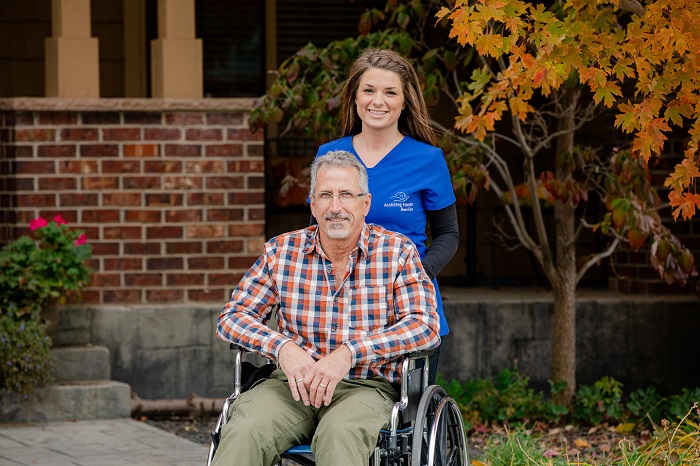
When you care for a spouse later in life, it’s vital to plan for the future. One way to prioritize the physical and emotional health of both you and your spouse and keep the marriage strong is to introduce quality elder care from Assisting Hands Home Care.
We provide a comprehensive range of non-medical in-home care services designed to help seniors remain safe, comfortable, and independent. Our care options give older adults the opportunity to age in place, staying close to friends, family, and the community they know and love. For individuals living with dementia, remaining in familiar surroundings can also reduce confusion and promote emotional well-being.
Our home care includes respectful assistance with personal care tasks such as bathing, dressing, and toileting. Caregivers are trained to provide safe transfer and mobility support, easing physical demands on family caregivers. We also offer medication reminders and reliable transportation to medical appointments and errands.
In addition to everyday support, our agency delivers specialized care, including compassionate hospice support, dependable post-surgical care, and expert Alzheimer’s and dementia care. Beyond physical assistance, our caregivers provide meaningful companionship that helps combat isolation and loneliness.
Integrate Assisting Hands Home Care into your loved one’s care plan to ensure consistent, dependable support. We proudly serve seniors in Naperville, Glen Ellyn, Lisle, Warrenville, Westmont, Wheaton, Woodridge, IL, and the surrounding areas in DuPage county. Call at (630) 634-9316 today to schedule a complimentary in-home consultation and let us create a flexible care plan that enhances your loved one’s quality of life.

