
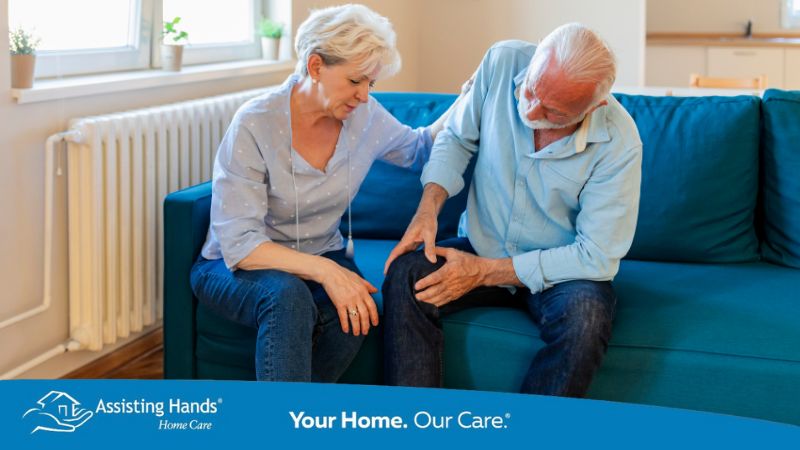
As we age, maintaining joint health becomes crucial for preserving mobility and overall quality of life. According to the Centers for Disease Control and Prevention (CDC), approximately 23% of adults in the United States—about 54 million people—have doctor-diagnosed arthritis, which often leads to pain, stiffness, and diminished functionality (CDC). Among older adults, 74% consider arthritis and joint pain a normal part of aging, but 80% of those affected feel confident in managing their symptoms (Healthy Aging Poll).
While joint pain is widespread, it doesn’t have to be an inevitable consequence of aging. By understanding the causes of joint changes and exploring the available treatments, seniors can take proactive measures to manage symptoms and remain active throughout their lives.
What are the Joints?
Joints are areas in the body where the bones meet. Due to the joints, the bones do not directly contact each other. Instead, the joints provide cushions to the areas where bones come together; these cushions consist of cartilage, synovial membranes, and fluid.
The cartilage—a smooth, connective tissue—that surrounds the joints absorbs the impact of physical activities, such as walking, exercising, or simply moving about. A lifetime of physical movement takes a toll on the cartilage, causing them to degenerate over time.
How Do Joints Change With Age?
As the cartilage undergoes wear and tear with advancing age, the bones lose their supportive cushioning. Once the bones are no longer cushioned and make direct contact with each other, the senior experiences pain and inflammation in the joints and surrounding tissues.
The joints become stiffer and less flexible as people grow older. The synovium, which is a membrane that surrounds the joints, produces lubricating fluids. The production of synovial fluids inside the joints decreases with age, especially when the senior is inactive and fails to keep the fluids moving.
Joints feel stiffer in the elderly due to the shortening of ligaments, which lose some flexibility. The cartilage thins with age, as well. The loss of cartilage commonly occurs in the hip and knee joints. Finger joint changes occur but predominantly in women. Some of these joint changes are inherited.
What are Common Structural Joint Changes in the Elderly?
Joint changes significantly affect the majority of older adults, leading to a variety of physical challenges. As the breakdown of joints progresses, seniors commonly experience symptoms such as inflammation, stiffness, pain, and deformity, which can vary in severity from mild to debilitating. These structural changes impact seniors in numerous ways, often affecting their posture and movement.

Cartilage Breakdown
Cartilage, the cushioning between bones in the joints, naturally wears down with age. This leads to bones rubbing against each other, causing pain and inflammation. Osteoarthritis is the most common condition associated with cartilage loss, especially in weight-bearing joints such as the knees, hips, and spine.
Decreased Synovial Fluid
Synovial fluid helps to lubricate the joints, but its production decreases as seniors age. This reduction in lubrication can cause joints to feel stiff and make movement more painful. Seniors may notice a limited range of motion, making tasks like bending or walking more difficult.
Joint Stiffness and Reduced Range of Motion
As tendons and ligaments lose their flexibility, seniors often experience joint stiffness. This can be especially noticeable in the mornings or after periods of inactivity. Joint stiffness may affect daily activities, such as reaching, standing up from a chair, or walking.
Bone Density Loss
Seniors are more prone to a condition called osteoporosis, which causes bones to become less dense and more fragile. Weakened bones can lead to joint instability, and fractures may occur more easily. This often results in pain and discomfort, particularly in the hips, spine, and knees.
Formation of Bone Spurs
As cartilage breaks down, bones can begin to grow additional bone tissue, known as bone spurs. These spurs can press on surrounding tissues like tendons and ligaments, causing pain and limiting movement in the affected joint.
Weakened Ligaments and Tendons
As seniors age, the ligaments and tendons that support the joints lose their strength and flexibility. This can lead to joint instability and make seniors more prone to sprains or strains. Movements like climbing stairs or lifting objects may become more challenging and painful.
Inflammation
Chronic inflammation in the joints is common among seniors, often due to conditions like rheumatoid arthritis or bursitis. Inflammation leads to swelling, pain, and stiffness, making it harder for seniors to move comfortably and perform daily tasks.
Soft Tissue Changes
The muscles, ligaments, and tendons that help stabilize the joints become weaker over time. This can contribute to joint pain and an increased risk of degeneration, making it harder for seniors to stay active and move without discomfort.
More Information to Read: How to Safely Help Senior After a Fall?
The Best Ways to Manage Joint Changes in the Elderly
- Regular exercise is the number one defense against age-related joint degeneration. Being inactive, on the other hand, causes the cartilage to shrink and stiffen. A sedentary lifestyle, therefore, reduces joint mobility and reduces the older adult’s health and quality of life.
- While exercise prevents many of the aforementioned joint changes, it can also reverse them. A regular physical activity schedule helps the elderly maintain balance, strength, and flexibility. Exercise on a routine basis strengthens the bones and slows the rate of bone loss.
- Seniors are encouraged to participate in Tai Chi. Balance and coordination exercises, like Tai Chi, reduce the risk of falls. Yoga is another low-impact exercise ideal for seniors. Whether aerobics, swimming, or yoga, these exercises move the joints without straining the cartilage.
- Older adults should try non-weight bearing activities, like water exercises, to increase bone and muscle mass. Stretch to maintain joint flexibility, too. Muscle-strengthening exercises, such as weight training, are equally important to increase muscle mass. Walking is a recommended weight-bearing exercise.
- Maintaining a healthy weight reduces stress on the joints, particularly the spine, knees, and hips. Proper weight management also improves mobility, which gives the elderly the ability to remain physically active for longer periods of time. Joint health is also in part due to eating a balanced diet.
- Strive to incorporate foods that reduce inflammation. Control joint inflammation by consuming fruits and vegetables rich in vitamin C, like berries, broccoli, and tomatoes. Foods that are rich in omega-3 fats support joint health and include salmon, nuts, coconut oil, and avocados.
- A well-balanced diet for seniors includes plenty of calcium. Women who are postmenopausal and men who are 70 or over should include 1,200 mg of calcium in their daily diet. Cheese and yogurt are high in calcium. Dark, leafy greens, like kale, are good sources of non-dairy calcium.
- While prevention of joint changes is key, seniors who experience joint pain can find relief through weight loss, physical therapy, or special insoles for various types of knee osteoarthritis. Joint injections may be helpful as well as acetaminophen and nonsteroidal anti-inflammatory drugs (NSAIDs).
Elderly Home Care from Assisting Hands
Exercising on a routine basis can prevent or slow age-related joint changes. When your elderly loved one would benefit from more physical activity, the professional caregivers at Assisting Hands Home Care can be invaluable. Our elder care services support the physical, social, and emotional health of seniors.
Caregivers introduce an exercise routine into the senior’s daily schedule to keep them active and fit. We are available to accompany older adults on walks outdoors to provide them with mobility support. Mobility assistance moving throughout the home is also offered to give seniors confidence.
Additional in-home care services include assistance with hygiene tasks, like bathing, toileting, and grooming. We prepare healthy, nutrient-rich meals that deliver the vitamins and minerals seniors need to maintain healthy bones and joints. Beverages are served throughout the day to ensure hydration.
Transportation to the medical office is provided so your aging loved one can speak to the doctor before starting an exercise program. We’re also pleasant companions who deter loneliness and isolation. Housekeeping is included so the senior’s home is comfortable and clean.
Assisting Hands Home Care offers a variety of flexible elder care options, from respite care to compassionate Alzheimer’s care. We serve Westlake, Ohio, seniors with dedication. Schedule a free in-home consult today to learn how quality senior home care improves joint and overall health.

