
Call us today! 657-373-2500
main-ah-logo-horz-w_gradbox
 
  • About Us
    • Meet the Team Members
    • Benefits of Home Care
    • Why Use a Licensed Agency?
    • AHYL Blog
    • FAQs
  • Our Caregivers
    • Caregiver Training Portal
    • Apply to be a Caregiver
  • Veterans
  • Services
    • Fall Prevention
    • Personal Assistance
    • Respite Care
    • Special Needs Care
    • Post-Surgery Care
    • Meal Preparation
    • Grocery Shopping & Errands
    • Light Housekeeping
    • Companionship
    • Alzheimer’s & Dementia Care
    • Maternity Care
    • Full List of Services
  • Español
  • TIẾNG VIỆT
  • Contact Us!

Local Blog

Home Activities of Daily Living Healthy Eating: Easy and Nutritious Recipes

Healthy Eating: Easy and Nutritious Recipes

February 27, 2025Activities of Daily Living, ADLs, Alzheimer's & Dementia, Autism, care arrangement, care coordination, Caregiver, Developmentally Challenged Care, Eating, Elder Care, Exceptional Service, Healthy Aging, healthy aging, home care, Home Care Aide, home care services, Hope, In Home Care, Nutrition & Wellness, Safety, Senior Care, Veteran Care, well-being, wellnessskoh
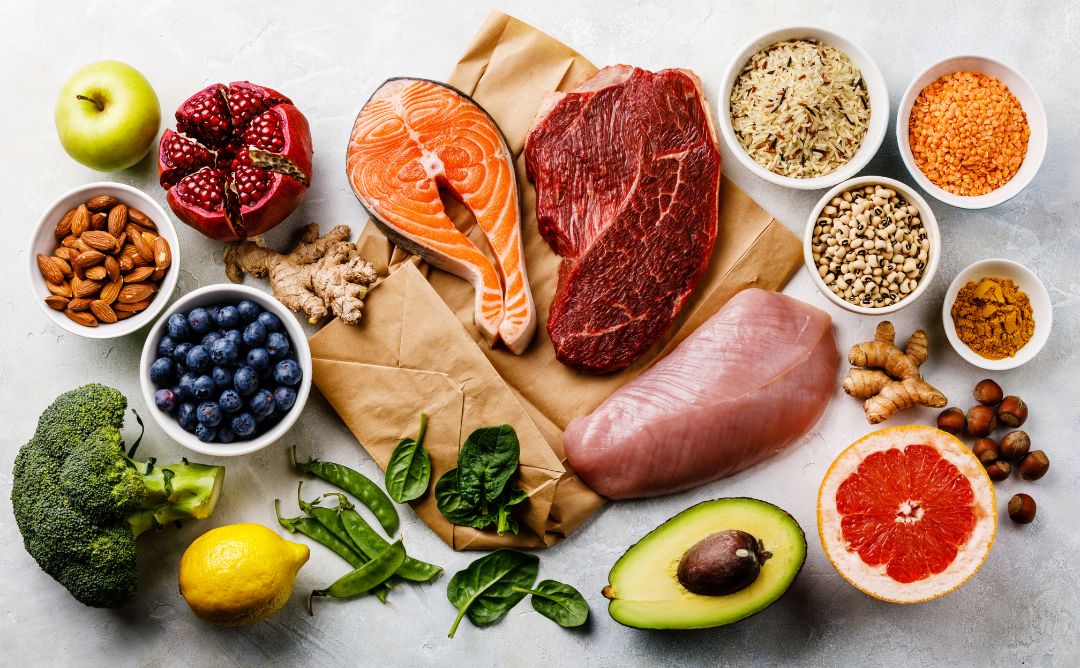
Healthy nutrition and healthy eating is crucial for everyone, including individuals with Alzheimer’s or autism, as it can have a significant impact on their overall well-being, behavior, and cognitive function.

healthy food for nutrition

Here are some nutrition tips for individuals with Alzheimer’s or autism:

Balanced Diet with Whole Foods

  • Focus on a balanced diet that includes plenty of fruits, vegetables, whole grains, and lean proteins. These foods provide essential nutrients for brain function and overall health.
  • Try to incorporate fiber-rich foods (e.g., fruits, vegetables, whole grains) to support digestion, which can sometimes be an issue in autism.

Omega-3 Fatty Acids

  • Omega-3 fatty acids, found in fatty fish (like salmon), walnuts, and flaxseeds, may help with brain function and have been shown to improve behavior and communication in some individuals with autism.
  • Consider omega-3 supplements (e.g., fish oil) if fish intake is low.

Avoid Processed Foods

  • Processed foods often contain artificial additives, preservatives, or coloring, which some individuals with autism may be sensitive to. Opt for whole, natural foods whenever possible.
  • Minimize or avoid sugary snacks, refined carbs, and heavily processed foods, as they can lead to energy crashes and potentially worsen behavior issues.

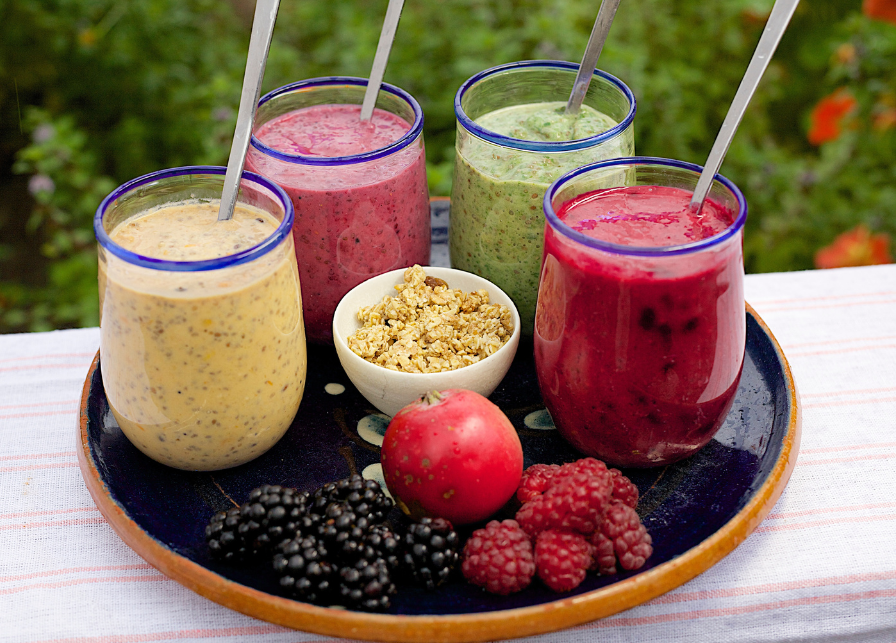
smoothies gluten free foodsGluten-Free and Casein-Free Diet (GFCF)
  • Some individuals with autism may benefit from a gluten-free, casein-free diet (GFCF). This involves eliminating wheat (gluten) and dairy products (casein), which some people with autism may have difficulty digesting, leading to behavioral improvements in certain cases.
  • Consult with a healthcare provider before starting this diet to ensure it’s appropriate.

Probiotics and Gut Health

  • There is a growing body of evidence suggesting a link between gut health and autism symptoms. Probiotics (found in fermented foods like yogurt, kefir, or supplements) may help with digestion and improve overall gut health, which can support better mood and behavior.
  • Focus on gut-healthy foods like fermented vegetables (sauerkraut, kimchi), yogurt, and kefir.

Vitamin and Mineral Supplements

  • Individuals with autism are sometimes deficient in specific nutrients like vitamin D, B vitamins, magnesium, and zinc. Ensure the diet includes sources of these nutrients, or consider supplementation after consulting with a healthcare provider.
  • Vitamin D, in particular, can play a role in mood regulation and cognitive function.

Hydration

  • Keep the body hydrated with plenty of water throughout the day. Dehydration can lead to irritability, poor focus, and other behavioral issues.
  • Avoid sugary drinks like sodas and juices, as they can contribute to energy spikes and crashes.

Minimize Food Sensitivities

  • Some individuals with autism may have food sensitivities or allergies, such as reactions to certain additives or food types. Pay attention to any foods that may trigger discomfort, and work with a nutritionist or doctor to address them.
  • Common sensitivities include gluten, dairy, soy, or food colorings and additives.

Meal Structure and Routine

  • People with autism often thrive on routine. Establish a regular meal schedule and environment to help with mealtime consistency. Keep meals simple and predictable to reduce stress.
  • Some individuals may benefit from smaller, more frequent meals instead of large meals to help manage digestion and energy levels.
senior couple enjoying meal

Avoid Caffeine

  • Caffeine can affect sleep patterns, cause anxiety, and contribute to hyperactivity. Avoid caffeine-containing foods and beverages, especially later in the day.

Encourage Sensory-Friendly Foods

  • Many individuals with autism have sensory sensitivities, so it’s essential to understand their preferences and dislikes when it comes to food texture, color, and smell.
  • Work with the individual to find foods they are comfortable with, even if it means sticking to a small range of preferred foods.

Monitor Blood Sugar Levels

  • Stabilize blood sugar by providing balanced meals and snacks throughout the day. This helps prevent mood swings, irritability, and other behavioral issues.
  • Include protein and fiber with each meal and snack to keep blood sugar levels steady.

Collaborate with a Nutritionist or Doctor

  • A healthcare professional or dietitian experienced with autism can help develop an individualized nutrition plan tailored to the needs of the person with autism. This is particularly important if you plan to try dietary changes like GFCF or supplementation.

These tips can help optimize nutrition and may improve some behaviors and cognitive functions, but it’s important to remember that each individual with autism is unique. It’s essential to work with healthcare providers to find the best approach for each person’s needs.

Quick Meals for Busy Caregivers

Busy caregivers need quick and nutritious meal options. Prepare simple meals like stir-fries with lean protein and a variety of vegetables. One-pot dishes like soups and stews can be made in advance and provide multiple servings.

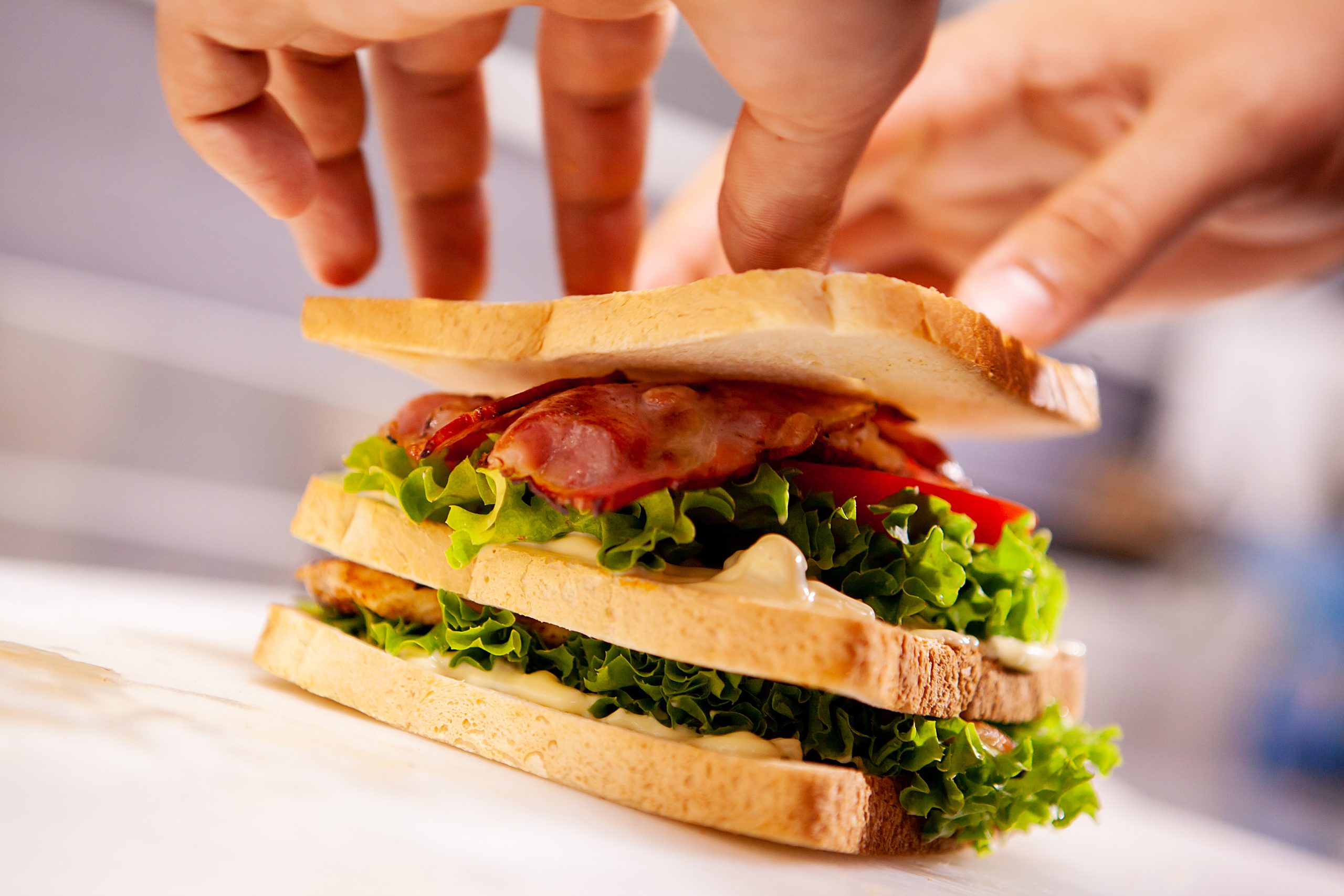
Wraps and sandwiches with whole-grain bread, lean meats, and plenty of veggies are easy to make and nutritious. Utilize slow cookers or pressure cookers to save time while preparing more meals for healthy eating.


Nutrient-Rich Snacks for Seniors

Providing nutrient-rich snacks is essential for maintaining seniors’ health. Fresh fruits, yogurt, and nuts make excellent snacks that are easy to prepare and consume.

Cheese sticks, whole-grain crackers, and vegetable sticks with hummus are also great options. Smoothies made from fruits, vegetables, and a protein source like Greek yogurt can be both refreshing and nourishing.


Dietary Tips for Specific Health Conditions

Tailoring diets to specific health conditions can improve overall well-being. For seniors with diabetes, focus on low-glycemic index foods and monitor carbohydrate intake.

Those with hypertension should reduce sodium intake and include potassium-rich foods like bananas and spinach. Seniors with osteoporosis can benefit from calcium-rich foods like dairy products and fortified plant-based milk, as well as vitamin D from sunlight or supplements.

Always consult with a healthcare professional to create a diet plan that suits individual health needs.

young girl eating sandwich

Conclusion

Balancing nutritious meals with a busy schedule is crucial for caregivers and seniors alike.

Quick meal ideas, nutrient-rich snacks, and tailored dietary tips for specific health conditions can significantly enhance overall health and well-being.

By incorporating simple, wholesome foods and adapting diets to meet individual health needs, caregivers can support both themselves and those they care for more effectively.

For additional resources and detailed dietary guidance, visit:

The Academy of Nutrition and Dietetics

Nutrition.gov

Healthy Recipes


Tags: Alzheimer's & Dementia, Autism, autistic care, caregiver, elder care, Exceptional Service, healthy aging, healthy eating, healthy food, home care aide, in home care, nutrition, Nutrition & Wellness, safety, senior care, special needs care
Previous post Valentine’s Day Activities for Seniors and Special Needs Next post Veteran In-Home Care

Related Articles

Summer Activities for Special Needs

July 24, 2023skoh

4 Effective Ways to Help Seniors Avoid Social Isolation

June 27, 2022skoh

What Is Aid and Attendance and How Do You Apply?

July 23, 2025skoh
Schedule a free consultation call!
Home Care

assisting hands yorba linda

  • (657) 373-2500
  • [email protected]
  • 377 E. Chapman Ave. Suite 205 Placentia CA 92870

Facebook | LinkedIn | YouTube | IG

Facebook
LinkedIn
YouTube
Instagram

COMPANY

  • Home
  • About Us
  • Contact Us

Legal

  • Privacy Policy
  • Terms & Conditions
  • Assisting Hands® Accessibility Statement
  • Hospital Readmission Penalties

Education

  • Industry Statistics
  • National Blog
Industry StatisticsNational Blog

© Assisting Hands® Home Care, LLC. All rights reserved.