
 In light of the recent devastating and heartbreaking fires across Los Angeles, we wanted to encourage everyone with some home fire safety tips.
While the following fire safety tips may not be 100% foolproof, we hope this will help bring some precaution, preparedness, and peace of mind to those that may be at risk.
Ensuring fire safety at home is crucial to protect your family, pets, and property.
Here are some essential tips for preventing fires and responding quickly if one occurs:
Fire Prevention Tips
- Install Smoke Alarms
- Place smoke alarms in every sleeping room, outside each sleeping area, and on every level of your home (including the basement).
- Test smoke alarms monthly by pressing the test button.
- Change batteries at least once a year (or when the alarm starts chirping), and replace the smoke alarm itself every 10 years.
 Create a Fire Escape Plan
- Develop an escape plan with two ways out of every room. Practice the plan regularly with all family members, especially children.
- Designate a safe meeting place outside your home where everyone will gather if there’s a fire.
- Keep Flammable Materials Away from Heat Sources
- Store flammable materials such as paper, gasoline, or cleaning supplies away from heat sources like stoves, heaters, and electrical outlets.
- Keep clothes and towels away from space heaters and stovetops.
- Check Electrical Wiring and Appliances
- Inspect electrical cords for frays or damage. Replace faulty cords immediately.
- Don’t overload circuits or power strips, as this can cause overheating and fires.
- Hire a licensed electrician to check your home’s wiring if it’s older or showing signs of wear.
- Cook Safely
- Never leave cooking food unattended, especially when frying or grilling.
- Keep combustibles like oven mitts, dish towels, and paper towels away from the stove or grill.
- If a grease fire starts, don’t use water—cover the pan with a metal lid and turn off the heat.
- Maintain Heaters and Fireplaces
- Clean chimneys and flues regularly (at least once a year) to prevent creosote buildup, which can ignite.
- Keep combustible materials (papers, furniture, curtains) at least 3 feet away from space heaters.
- Never leave space heaters unattended, and turn them off when you leave a room.
- Be Careful with Candles
- Always blow out candles when leaving a room or going to bed.
- Keep candles at least 12 inches away from anything that can catch fire (like curtains, paper, or clothing).
- Consider using flameless LED candles for added safety.
 Properly Store Fire Extinguishers
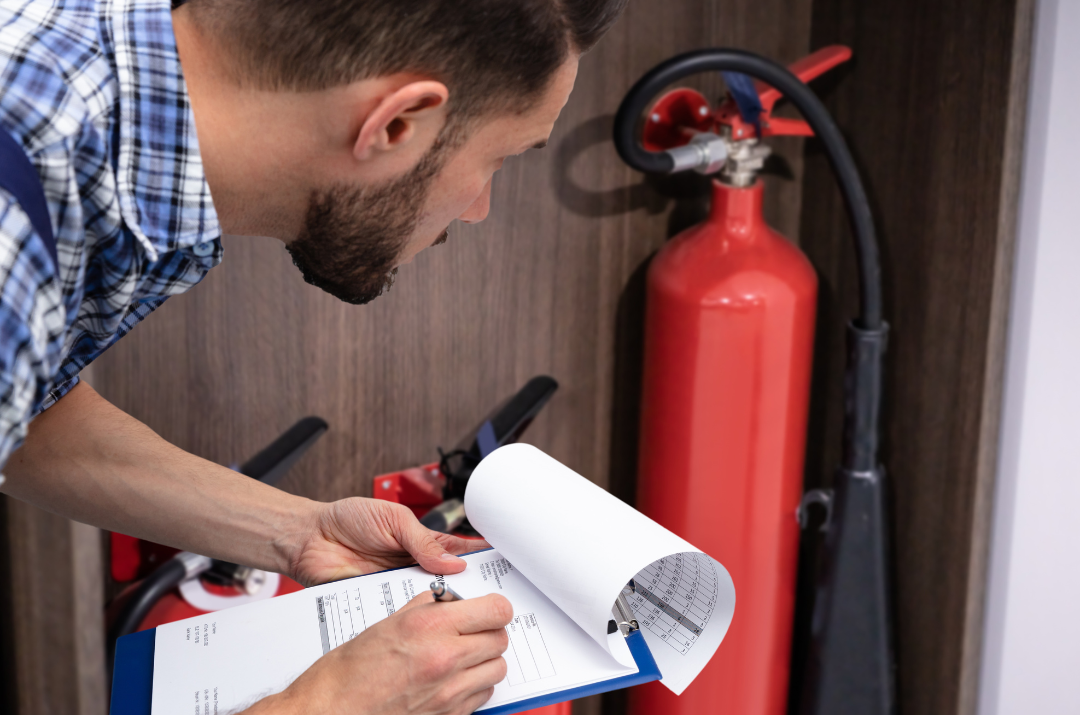
- Have a fire extinguisher in key areas, especially the kitchen, garage, and workshop. Ensure everyone knows how to use it (PASS: Pull the pin, Aim at the base of the fire, Squeeze the handle, Sweep side to side).
- Check the pressure gauge monthly and replace or recharge the extinguisher as needed.
During Power Outages
- Use Caution with Generators
- Never operate a generator indoors or in an enclosed space like a garage. Use it outside, away from windows and doors, to avoid carbon monoxide poisoning and fire risks.
- Check for Gas Leaks
- If you smell gas during a power outage, immediately evacuate the house and call your gas company from a safe distance.
Safety for Children and Pets
- Educate Kids about Fire Safety
- Teach children to stop, drop, and roll if their clothes catch fire.
- Make sure kids know how to call 911 and when to use the phone in an emergency.
- Keep Matches and Lighters Out of Reach
- Store matches and lighters in high, locked cabinets or containers that children can’t access.
- Pet Safety
- Ensure pets have a way to get out of the house, especially if you have a pet door or they’re left in rooms that could be hard to access during an emergency.
Precautions After a Fire
- Stay Safe After Evacuating
- Once you’ve escaped a fire, don’t re-enter the house until authorities say it’s safe.
- Check for damage like structural instability, live wires, and gas leaks before attempting to re-enter the home.
- Contact Your Insurance Provider
- Notify your home insurance company immediately after a fire to start the claims process.
By following these tips, you can significantly reduce the risk of fire in your home and help ensure the safety of everyone inside.

Tags:
care arrangement, care coordination, caregiver, caregiving, elder care, fire prevention, fire prevention tips, fire safety, healthy aging, home care, home care aide, home care services, in home care, non-medical care, Nutrition & Wellness, Placentia Veterans Village, senior care, VA Benefits, VA Long Beach, veteran care, veterans day, vets, well-being, wellness