

When your elderly parent can no longer walk well, it can be devastating for them and difficult for your family. It’s important to remember that they remain the same person and will need your support to maintain their independence at home. Various options are available to ensure their safety and well-being.
If your loved one struggles with mobility, seeking help from a healthcare professional is crucial. They can recommend proper modifications to their living environment to enhance safety. This may include assistive devices, physical therapy, and emotional support to help them remain as mobile and well as possible.
Focus on utilizing community resources, ensuring proper nutrition, scheduling regular medical check-ups, and promoting a safe and healthy lifestyle for your loved one. Remember, each individual’s situation is unique, so personalized advice from healthcare professionals is essential.
Knowing the Extent of Mobility Issues
The mobility issue with your loved one can vary due to how severe it is and what has caused it. Some elderly people have a gradual decrease in mobility because of osteoporosis and arthritis while others can suddenly become less mobile because of injury or an illness. It is important to speak to a medical professional to understand the cause of your loved one’s inability to walk.
Once you have determined how severe their condition is, you will know what type of care they require. If they have moderate mobility, it may help them to have assistive devices such as canes or walkers, however, those that have more severe mobility issues may need more specialized equipment to get around.
Make sure to have an open conversation with your loved one’s healthcare team so that you know what is the best action that should be taken to properly meet their needs.

Assistive Devices Help with Mobility
Assistive devices can help with walking so they can move around their home and maintain a level of independence. Here are some very common assistive devices that could help your loved one:
- Canes can help those that are having mild balance issues or pain in one of their legs.
- Walkers are more supportive than canes with stability. They are best for those with moderate mobility issues.
- Wheelchairs will help those who have major limitations so they can improve their quality of life as they can move around more independently.
It is crucial that any assistive devices are properly fitted for your loved one. Also, they should be trained in how to properly use and maintain their devices.
Making Home Modifications to Increase Safety
If your loved one plans to remain at home despite their mobile limitations, it’s crucial to make the necessary modifications to ensure their safety. Here are some examples of home modifications:
- Getting handrails installed so they can have more support for staircases and in bathrooms.
- All flooring should be non-slip so that the risk of falling is decreased. This is especially important in bathrooms and kitchens.
- Increasing the width of doorways and hallways will make it easier for a wheelchair to be navigated through the home.
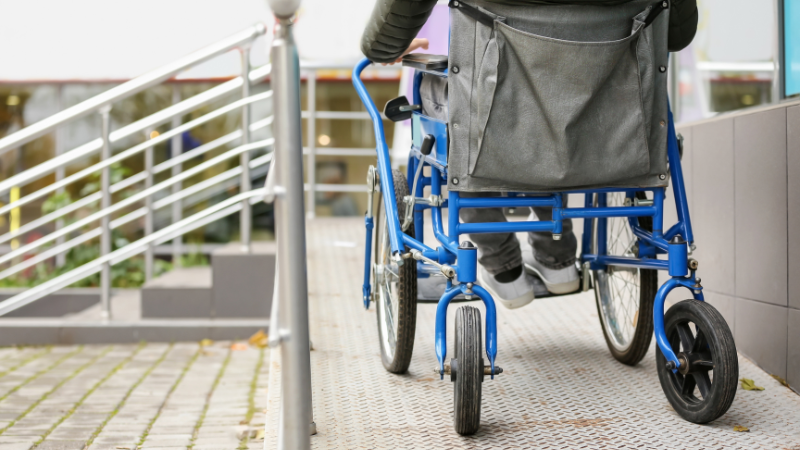
- Adding an entrance ramp if your loved one has issues with stairs can make it easier for them to get into and out of their home.
Adjusting for Daily Activities to Stay Independent
Equipping your loved one with assistive devices and making home modifications can greatly enhance their ability to navigate their home. However, daily activities may also need to be adjusted. Here are some ways to achieve that:
- Moving furniture around to make sure there are bigger pathways, and any obstacles are removed so they can move around freely.
- Using technology such as devices and apps to help with medication management, setting appointment reminders and having emergency assistance at their fingertips.
- Getting additional support from the senior care community or in-home care services may benefit them so they can get help with daily activities.
Benefiting of Senior Living Communities
Seniors with limited mobility could greatly benefit from residing in a senior living community, designed specifically to meet the needs of elderly adults. These communities provide a variety of services and amenities to assist with mobility challenges, such as:
- Increased accessibility as these facilities are designed to be accessible.
- Engaging socially with other seniors so they can socialize and be a part of various activities. This can help with feelings of loneliness and isolation.
- Assistance on-site if needed. These types of communities have staff available to help 24/7 who can help your loved one with dressing, bathing, and medication management.
- Personalized care plans are created and catered to the needs of your loved one so they can get the proper support they need.
- Transportation services are provided to your loved one in senior living communities so they can get to medical appointments and other outings.
- They don’t have to worry about maintenance such as yardwork and home maintenance which helps them focus on their health.
- Provides peace of mind for their families as they know that their loved one is being cared for in a proper environment that suits their care needs.
It is important to know that although senior living communities are a great way to help your loved one with practical things such as mobility, your loved one will benefit from the community as well. They can feel like they belong and if they have mobility issues, it can help them feel less isolated. This type of environment will also help them create friendships and connections with others that are having a similar experience as them.
Professional Elderly Home Care Services

While moving to a senior living community can help seniors with mobility issues, this is not their only option. The steps outlined above can make it easier for seniors with limited mobility to continue living in their homes. However, they will likely need additional care and support to ensure that they can live safely at home.
Assisting Hands Home Care provides complete in-home care services for seniors and adults with mobility issues in The Villages, FL and the surrounding areas. Our caregivers can assist with activities of daily living (ADLs), including transfer assistance and fall prevention to help seniors with limited mobility move safely around their home. We can also help with activities around the home that your loved ones may have difficulty with due to their limited mobility including housekeeping and meal preparation.
To learn more about our elderly home care services, give us a call at (352) 758-4512.

