What Are the Types of Dementia? How Each One Changes Care at Home
Alzheimer’s, vascular, Lewy body, frontotemporal, and mixed dementia each progress differently. Learn what each type means for care at home, from fall risk to supervision.
If your loved one has decided to age in their home and needs help, our elderly care services are a great option. Our highly trained caregivers will provide them with quality care which allows them to stay in their home as long as possible. This helps alleviate their worries about going into a facility such as a nursing home as they can age in their home comfortably with some help from our caregivers.
Many older adults are now choosing to age in their homes even when they have physical or cognitive issues. They may need some help around their home and their family members may not have the time or the skills necessary to help them. Hiring a home care agency that can send a highly trained home health aide is the best option for your loved one to get the care they need right in their home.

For high-quality elderly home care in Wildwood, FL, contact Assisting Hands at (352) 758-4512.
Our caregivers are prepared to provide quality, compassionate home care for your elderly loved ones. We will create a plan that covers their needs and enhances their quality of life by determining the level of care needed. One of our certified, bonded, and insured caregivers will be assigned to them to carry out the duties they need in their home.
Assisting Hands will first send a representative to assess the level of care needed for your loved one. A personal care plan will be established, and a caregiver will be assigned to them. Our Assisting Hands caregivers not only provide comprehensive senior care services for your aging loved one, but they will also be companions.
These are the elderly care services we offer for aging adults:
The elderly home care we offer will be based on the needs of your loved one, however, these are the home care plan services we usually offer:
Veterans who meet the criteria for VA benefits can access our VA programs, which provide complete home care and respite care services. Assisting Hands Home Care provides an array of in-home care services to help veterans maintain their independence and quality of life. These services are designed to improve the veteran’s ability to live in their own home or other residences in Wildwood, FL. To be eligible for our VA care programs, veterans must first apply for medical benefits through the Department of Veterans Affairs.
We provide elderly home care services that are tailored for veterans and their spouses who qualify for VA programs, focusing on empathy and high-quality care. We work with veterans and their families to create a personalized home care plan that meets their specific needs. Our range of VA care services includes assistance with daily activities, transportation, meal preparation, and light housekeeping. Our caregivers, who are trained in Alzheimer’s and Dementia Care, provide 24/7 coverage for eligible veterans and their spouses, prioritizing their safety, comfort, and engagement in life.
If you need help to ensure your loved one can live at home comfortably and safely, Assisting Hands is here to help with our elderly care services. Our caregivers are highly trained and licensed to help your loved one age comfortably in their home in Wildwood, FL, and the surrounding areas. For more information and a free consultation, reach out to us today at (352) 758-4512.
Medicare doesn’t pay for non-medical home care. It only can cover the cost of the medical version of home care, called “Home Healthcare” in some situations.
Home Healthcare services covered by Medicare include skilled nursing care, physical therapy services, etc. However, Medicare does not cover in-home personal care services that involve companionship, and activities of daily living (ADLs) like meal preparation, grooming, light housekeeping, etc.

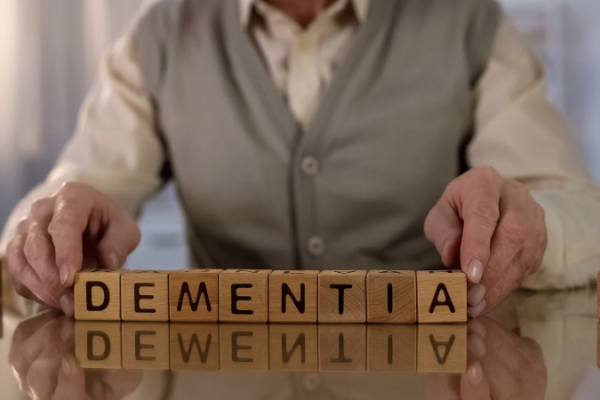
Alzheimer’s, vascular, Lewy body, frontotemporal, and mixed dementia each progress differently. Learn what each type means for care at home, from fall risk to supervision.
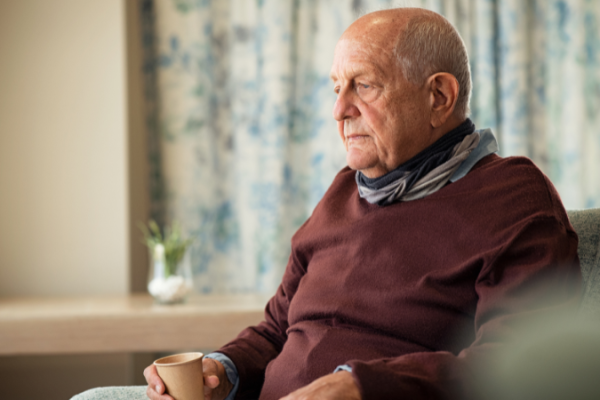
Falls, missed medications, weight loss, and isolation can be early signs a senior shouldn’t live alone. One sign rarely means a move is needed, but several together usually mean it is time to add support at home. Here are the 12 warning signs and what to do next.