
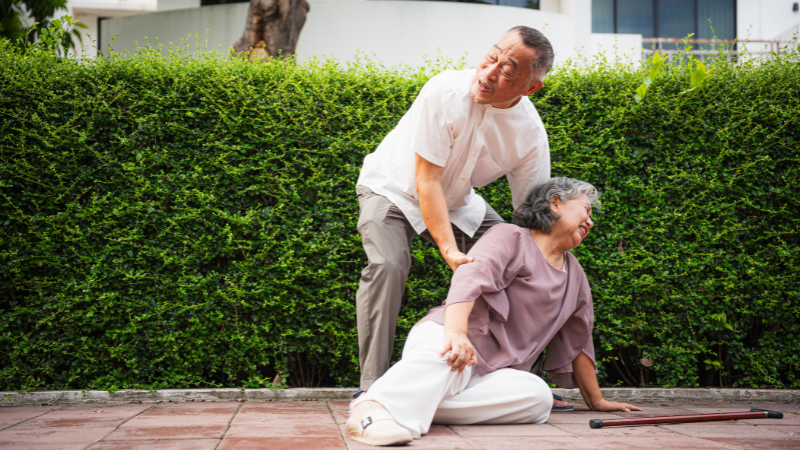
Falls are a serious concern for seniors, often leading to injuries, reduced independence, or even hospitalization. If you have a senior loved one at risk of falling, families, friends, and caregivers need to understand how to prevent falls in seniors and respond safely if an accident occurs. Discussing fall prevention can be sensitive, so approach the topic with empathy, patience, and understanding.
In this guide, we’ll cover why seniors are at a higher risk of falls, the most common causes of falls in the home, and a fall prevention checklist to improve home safety. We’ll also explore lifestyle habits that can reduce fall risks, how caregivers can help prevent falls, how to talk to seniors about this issue, and when it may be time to seek additional help. Finally, we’ll discuss balance-improving exercises for seniors, whether falls are a normal part of aging, and what steps to take if a fall does occur.
Why Seniors Are at Higher Risk of Falls
Falls are the leading cause of injury among adults over 65. According to the CDC, over 41 million, or 1 in 4 older adults, report falling each year.
Several factors contribute to this risk:
- Age-related physical changes: Reduced muscle strength, slower reflexes, and poor balance
- Vision and hearing impairments: Difficulty seeing hazards or hearing warnings
- Medication side effects: Dizziness, drowsiness, or low blood pressure caused by prescriptions
- Chronic conditions: Arthritis, diabetes, heart disease, or neurological disorders that affect mobility
- Environmental hazards: Clutter, poor lighting, loose rugs, or uneven flooring
Understanding these risk factors helps families and caregivers take proactive steps to keep seniors safe at home.
Senior Home Safety & Fall Prevention Checklist
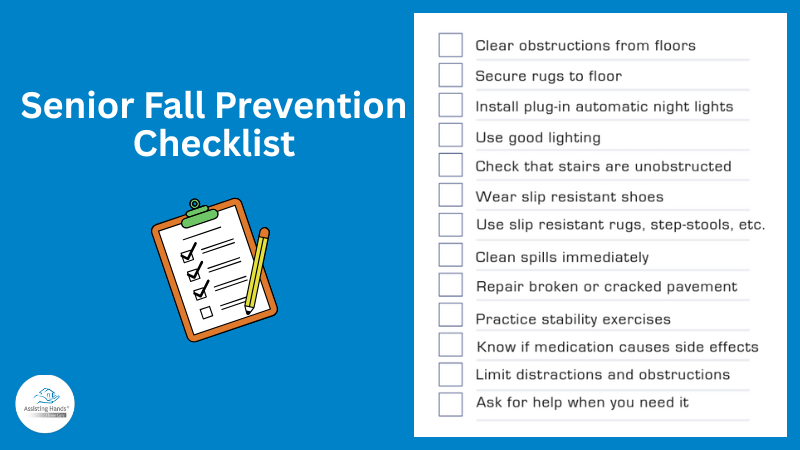
To help prevent falls, it’s important to create a home environment where seniors can move around safely and confidently. Below is a practical room-by-room checklist for families and caregivers:
Stairs and Steps
- Remove any items from the stairs, such as papers, shoes, and books.
- Fix any loose or uneven steps.
- If there is no light around the stairs, install a light at the top of the stairs.
- If the stairs are carpeted, make sure that the carpeting is firmly attached to every step or install non-slip rubber instead.
- Fix any damage to the handrails.
Floors
- Arrange furniture to clear paths for walking.
- Remove any throw rugs from the floor or use double-sided tape so that rugs don’t slip.
- Remove any objects on the floor, such as shoes, books, paper, etc.
- If electrical cords cross walkways, secure them along walls, tape them down, or coil them neatly to prevent tripping hazards.
Kitchen
- Make sure that items that are used often are on lower shelves that are easier to reach.
- If a stepstool is needed, choose one with a sturdy support bar or handle to ensure stability while in use.
Bedrooms
- If the light near the bed is difficult to reach, put a lamp close to the bed so it can be easily reached.
- Place a nightlight on the path from the bed to the bathroom so your senior loved one can see where they are walking.
Bathrooms
- If the tub or shower is slippery, place a non-slip rubber mat or self-adhesive strips on the floor to prevent falls.
- If your loved one requires assistance entering or exiting the tub, install sturdy grab bars both inside and next to the tub, as well as near the toilet.
Lifestyle Habits to Prevent Falls in Seniors
Reducing fall risks for seniors involves adopting a lifestyle that supports overall health, strength, and safety. Key habits include maintaining a balanced diet rich in protein and vitamin D, staying physically active, and working on flexibility, strength, and balance. Making home modifications, wearing proper footwear, and conducting regular home safety assessments are also essential for identifying and addressing potential fall hazards. Together, these practices can significantly lower the risk of falls and help seniors remain independent and healthy.
Balance and Strength Exercises for Seniors
Improving balance and strength is one of the most effective ways families and caregivers can help seniors reduce the risk of falls. Exercises that target core stability, muscle strength, coordination, and flexibility not only make daily activities safer but also help seniors maintain independence and confidence at home. Consistent practice of these exercises can enhance posture, improve mobility, and lower the likelihood of falls.
Recommended exercises for seniors include:
- Single-leg stands: Strengthen lower body stability
- Tai Chi: Enhances coordination and posture
- Yoga: Improves flexibility and balance
- Swimming or water aerobics: Builds strength and stability with low impact

How Families and Caregivers Can Prevent Senior Falls
Caregivers play a crucial role in helping seniors stay safe and prevent falls. By staying informed, proactive, and attentive to both the environment and the senior’s health, caregivers can significantly reduce fall risks. Simple strategies and daily practices can make a big difference in maintaining safety and promoting independence.
Some key ways caregivers can help include:
- Open communication: Talk regularly with the senior and their family about the importance of fall prevention and ways to stay safe.
- Medication management: Keep an up-to-date list of all medications and their potential side effects, and ensure the caregiver is aware of any changes.
- Encouraging physical activity: Promote exercises and activities that improve balance, strength, and flexibility.
- Home safety modifications: Install grab bars in the bathroom, ensure handrails are secure on staircases, and keep floors clear of clutter and tripping hazards.
- Regular health checks: Schedule routine vision and hearing exams and replace eyeglasses or hearing aids as needed to maintain optimal sensory function.
- Education on fall prevention: Use reliable resources to educate both the senior and caregivers on strategies for reducing fall risks and maintaining a safe living environment.
Discussing Fall Prevention With Seniors
Discussing fall prevention with a senior loved one requires patience, care, and sensitivity. Many seniors may feel uneasy or defensive when the topic comes up, so it’s important to approach the conversation in a supportive and positive way. The goal is to help them understand the importance of safety while maintaining their dignity and independence.
Here are some strategies to engage them effectively:
- Focus on benefits, not fear: Emphasize the positive outcomes of fall prevention measures, such as maintaining independence and staying active, rather than relying on statistics or frightening images.
- Offer practical suggestions: Provide clear, actionable examples they can apply in their own home, such as regular physical activity, reviewing medications, and removing hazards.
- Encourage open discussion: Help your loved one feel comfortable talking about falls with family, friends, and their healthcare provider.
- Show your support: Reassure them that you are there to help with any concerns and provide resources or guidance for implementing fall prevention strategies.
When Seniors May Need Additional Support
If you notice that your senior loved one is experiencing declining health, has a chronic medical condition affecting mobility, struggles with activities of daily living, has limited financial resources, or has experienced multiple falls, it may be time to consider additional support from a home care agency. Depending on their specific needs, options include hiring a professional caregiver, transitioning to an assisted living facility, or moving to a nursing home where they can receive the care and supervision they require.
Get Expert Senior Care & Fall Prevention Services
Preventing falls is an ongoing effort that involves awareness, preparation, and support from family, caregivers, and professionals. While implementing safety modifications, encouraging healthy habits, and engaging in balance-improving exercises can significantly reduce fall risks, some seniors may still benefit from additional assistance to stay safe and independent.
Professional senior home care can provide the extra support your loved one needs. At Assisting Hands Home Care, our compassionate caregivers help seniors navigate daily activities safely, monitor health concerns, and implement fall prevention strategies tailored to each individual. From medication management and mobility assistance to home safety evaluations and companionship, we’re here to give both seniors and their families peace of mind.
If you have a senior loved one who is at risk of falling, don’t wait until an accident happens. Contact Assisting Hands Home Care today to learn how our experienced caregivers can help keep your loved one safe, independent, and confident in their own home.

