

Over 5 million veterans live with service-related health conditions, many of whom could benefit from specialized in-home care. Professional home care not only supports veterans’ independence and safety but also provides essential assistance for their families.
In this guide, we’ll explore why veterans often benefit from home care, define what veteran home care entails, highlight advantages for veterans and their families, and provide guidance on eligibility, mental health support, financial assistance, and choosing the right provider.
Why Veterans May Need Specialized Home Care
Veterans often face unique challenges due to service-related injuries, chronic conditions, or aging-related health issues. According to the U.S. Department of Veterans Affairs, VA home care programs improve veteran independence and reduce hospital readmissions. Home care tailored to veterans helps maintain independence, manage health, and improve overall quality of life.
Why Senior Veterans Benefit from Home Care
- Personalized care plans: Individualized support addresses each veteran’s specific medical and lifestyle needs.
- Comfort of home: Receiving care at home reduces stress and promotes familiarity.
- Family caregiver support: Guidance and respite for family members helps them balance caregiving responsibilities.
- Cost-effective care: VA home care programs are generally more affordable than long-term care facilities.
- Enhanced safety and independence: Assistance with daily tasks helps prevent falls and injuries.
Common Misconceptions About Veteran Home Care
Many families assume home care is only for older adults or those who are seriously ill. In reality, veterans of all ages with service-related injuries or chronic health conditions can benefit from non-medical home health care. Additionally, VA programs and financial assistance options often make home care more affordable than families expect. Understanding the facts about veteran home care helps families make informed decisions and ensures veterans receive the support they need.
What Is Veteran Home Care?
Veterans often feel safer and more comfortable at home. Home care allows them to receive personalized support while preserving independence.
Common services include:
- Homemaker and home health aide care: Assistance with daily tasks like dressing, bathing, meal prep, and light housekeeping.
- Respite care: Temporary relief for family caregivers while trained professionals care for the veteran.
- Personalized care plans: Customized to address health conditions, mobility needs, and lifestyle preferences.
- Medical support (ADLs & IADLs): Support with both basic and instrumental activities of daily living.
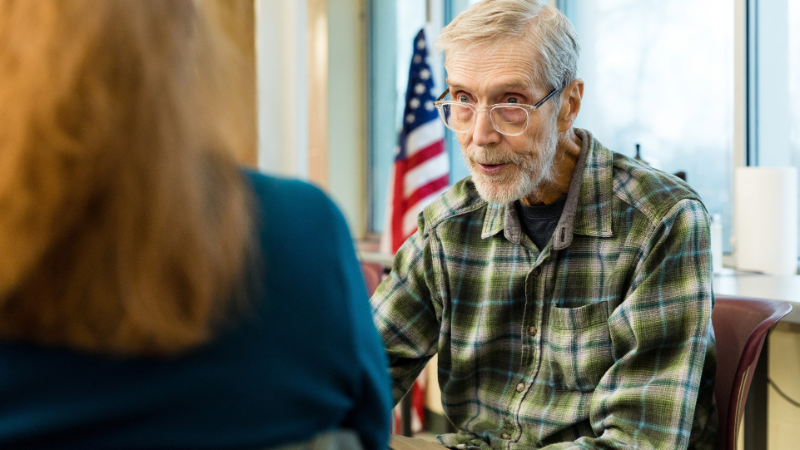
Key Benefits of Home Care for Veterans
Providing home care to veterans offers far more than assistance with daily tasks; it enhances quality of life, promotes independence, and supports both physical and emotional well-being. By receiving personalized care in the comfort of their own homes, veterans can maintain routines, stay socially connected, and access professional help for health or mobility challenges. The following section highlights the key benefits of home care services, including practical daily support and essential mental health care designed specifically for veterans.
Homemaker and Home Health Aide Services
These professionals help veterans maintain safety, independence, and comfort in familiar surroundings. Services include:
- Light housekeeping: Keeps the home safe and clean in the areas most used by the veteran.
- Laundry: Ensures comfort and hygiene.
- Meal preparation: Helps maintain proper nutrition.
- Grocery shopping: Ensures the household has needed supplies.
- Transportation: Escorts veterans to medical appointments and other essential outings.
Mental Health Support
Home care plays a crucial role in supporting veterans’ mental health by:
- Reducing feelings of isolation and loneliness
- Providing companionship and meaningful conversation
- Assisting veterans with dementia or memory challenges
- Offering structured routines to reduce stress and anxiety
Veteran-focused caregivers are trained to understand military experiences, enabling empathetic, personalized support.
How Home Care Supports Aging in Place
Home care allows veterans to remain safely in their own homes while receiving the care they need to maintain independence and dignity. Simple home modifications, like grab bars, ramps, wider doorways, and adaptive tools, combined with professional support, help veterans navigate their daily routines safely. This approach improves quality of life and can delay or prevent the need for long-term care facilities.
Benefits of Home Care for Veteran Families
Home care supports families by:
- Providing respite care and peace of mind for caregivers
- Assisting with ADLs and IADLs
- Offering companion care to reduce social isolation
- Delivering licensed medical care, such as wound care or medication management
- Helping delay or prevent nursing home placement
Eligibility Note: It’s important to note that skilled home health care services such as wound care, catheter care, physical therapy, and occupational therapy have separate eligibility requirements from the VA’s general home care programs.

Financial Assistance Programs for Veteran Home Care
Several programs help veterans access home care while reducing costs:
- Program of Comprehensive Assistance for Family Caregivers (PCAFC): Stipends, health benefits, and legal/financial planning support for eligible caregivers.
- VA Home Health Aide & Respite Care Program: Temporary relief for family caregivers and assistance with daily living tasks.
- VA Aid & Attendance: Tax-free monthly payments to supplement in-home care expenses.
Tips for Maximizing VA Benefits
Families can take several steps to make the most of VA home care programs:
- Understand eligibility: Check PCAFC, Aid & Attendance, and other benefit programs.
- Apply early: Benefits often take time to process; early application ensures uninterrupted care.
- Coordinate with providers: Work with agencies familiar with VA programs to maximize support.
- Combine resources: Use financial aid alongside in-home services for comprehensive coverage.
- Monitor care needs: Reassess the veteran’s needs periodically to adjust care plans effectively.
Signs a Veteran May Need Home Care
There are several indicators that a veteran may benefit from home care services. Common signs include:
- Difficulty managing medications: Missing doses, confusion about prescriptions, or using expired medications.
- Decline in personal hygiene: Skipping showers, neglecting oral care, or allowing laundry to pile up.
- Mobility issues: Unsteadiness on their feet, frequent falls, or difficulty moving around safely.
- Cognitive challenges: Confusion, memory loss, or difficulty completing familiar tasks.
- Problems with nutrition: Difficulty preparing meals, poor appetite, or unexplained weight loss.
- Social isolation: Experiencing loneliness or withdrawing from friends and family.
Choosing the Right Home Care Provider for a Veteran
When selecting a provider:
- Assess care needs: Determine if medical expertise, ADL support, or both are required.
- Explore care options: Licensed agencies, independent caregivers, or VA-approved registries.
- Involve your support network: Family, friends, and healthcare professionals in the decision.
- Use reliable resources: VA websites for benefits and service management.
- Choose experienced caregivers: Providers familiar with veteran challenges and VA programs.
- Consider financial support: Aid & Attendance, Veterans Directed Care, and Home Health Aide benefits.
How Home Care Helps Veterans Age in Place
Home care enables veterans to remain in their homes safely and independently, with dignity and peace of mind. Personalized care ensures:
- Physical support for mobility and daily tasks
- Mental health support and companionship
- Access to VA benefits and programs
Family members gain reassurance that their loved one receives consistent, professional care without the stress of institutional placement.

Providing the Best Care for Your Veteran Loved One
Home care is more than just assistance with daily tasks; it’s a way for veterans to maintain independence, receive personalized support, and age in place with dignity and safety. From helping with activities of daily living to providing companionship, mental health support, and access to VA benefits, professional home care can make a meaningful difference in the life of a veteran and their family.
If you have a veteran loved one who could benefit from compassionate, skilled care at home, professional VA home care can provide the support they need while giving you peace of mind. Assisting Hands Home Care in The Villages, FL, specializes in providing VA home health care services, including personalized care plans, respite for family caregivers, and support for both physical and emotional needs.
Contact Assisting Hands Home Care – The Villages today to ensure your veteran loved one receives professional, compassionate care tailored to their needs.
Frequently Asked Questions (FAQs)
What types of home care services are available for veterans?
Services include homemaker/home health aide care, respite care, companionship, assistance with ADLs and IADLs, and specialized medical support.
How does VA respite care support family caregivers?
Respite care provides temporary relief for family members, allowing them time to rest while trained professionals care for the veteran.
Can veterans receive home care and continue living independently?
Yes, home care is designed to support aging in place, ensuring veterans maintain independence in a safe, familiar environment.
What financial programs help veterans afford home care?
Programs include PCAFC, VA Home Health Aide & Respite Care, Aid & Attendance, and Veterans Directed Care.
How does home care improve mental health for veterans?
Home care provides companionship, structured routines, and understanding of military experiences, helping reduce loneliness, anxiety, and stress.

