
High blood pressure, also known as hypertension, is one of the most common health conditions affecting 70% of older adults, and one of the most serious when left unmanaged. Because it often develops gradually and without obvious symptoms, many people may not realize they have it until it leads to more significant health concerns such as heart disease, stroke, or kidney problems.
As we age, the body naturally undergoes changes that can impact blood pressure regulation, but lifestyle habits, medical history, and other underlying conditions can also play a major role. Understanding what causes hypertension in older adults is an important step toward prevention, early detection, and better long-term health management. In this guide, we’ll explore the key factors that contribute to high blood pressure in seniors and discuss why regular monitoring and healthy daily habits are essential for maintaining heart health later in life.
Key Takeaways: Hypertension in Older Adults
- Hypertension becomes more common with age due to natural vascular changes and long-term health factors
- It often develops silently, making routine monitoring essential
- Diet, inactivity, stress, chronic illness, and medications are major contributors
- Lifestyle changes and medical management can significantly improve outcomes
- In-home support can help seniors maintain consistent routines that support healthier blood pressure
Why Hypertension Is More Common in Older Adults
Hypertension becomes more prevalent with age due to a combination of biological changes and accumulated lifestyle effects. One of the most important changes is arterial stiffening, where blood vessels lose elasticity over time. This increases vascular resistance, meaning the heart must work harder to circulate blood. As a result, systolic blood pressure often rises, leading to what is known as isolated systolic hypertension, which is especially common in seniors.
Other contributing factors include:
- Increased risk of chronic disease (kidney disease, diabetes, high cholesterol)
- Changes in how the body regulates sodium and fluid balance
- Reduced physical activity levels over time
- Long-term dietary patterns and stress exposure
Because these factors develop gradually, hypertension often goes unnoticed until routine screening reveals elevated readings.
The Primary Causes of Hypertension in Older Adults
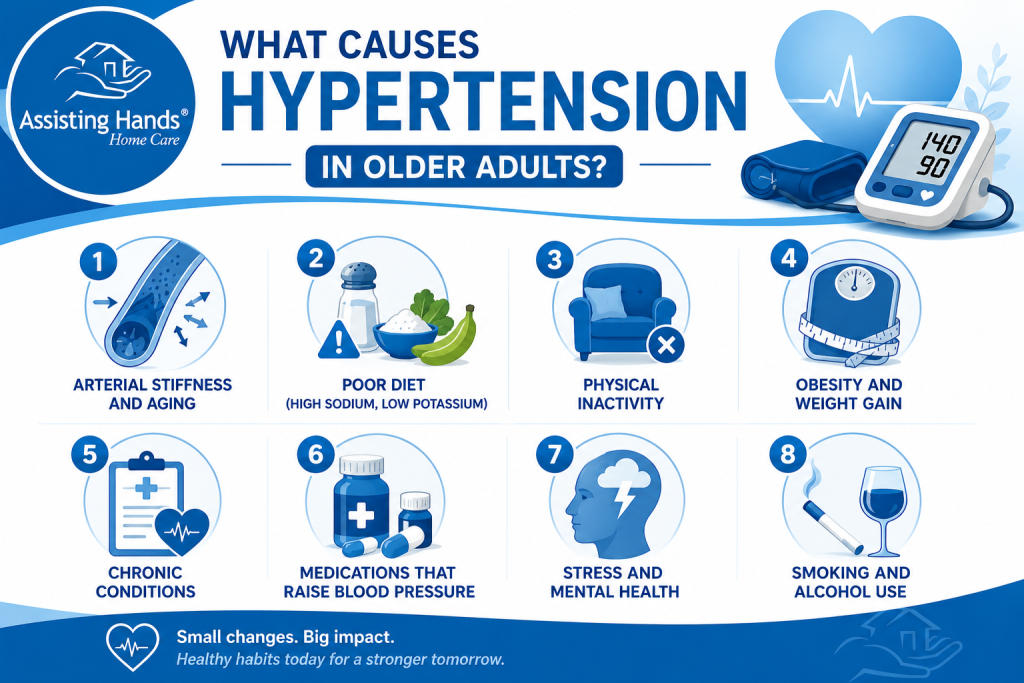
Hypertension rarely has a single cause. Instead, it develops from multiple overlapping risk factors that build over time. Understanding these causes is an important step toward better prevention, early detection, and effective long-term management.
1. Arterial Stiffness and Aging
According to the National Institute on Aging, one of the most significant age-related contributors to high blood pressure is called isolated systolic hypertension, which is caused by stiffening of the major arteries. As we age, blood vessels lose some of their natural elasticity, making it harder for them to expand and contract with each heartbeat. This reduced flexibility increases resistance within the circulatory system, forcing the heart to work harder to pump blood. Over time, this added strain can lead to consistently higher blood pressure readings.
2. Poor Diet (High Sodium, Low Potassium)
Diet plays a major role in blood pressure regulation. Many older adults consume higher levels of sodium through processed foods, canned goods, and restaurant meals, which can cause the body to retain excess fluid and raise blood pressure. At the same time, low potassium intake, often due to limited fruit and vegetable consumption, can make it more difficult for the body to balance sodium levels effectively. This combination can significantly increase the risk of hypertension.
3. Physical Inactivity
A lack of regular physical activity can weaken the cardiovascular system over time. When the heart is not exercised regularly, it becomes less efficient at pumping blood, which can contribute to higher pressure in the arteries. Sedentary lifestyles are also linked to weight gain and poorer circulation, both of which further elevate blood pressure risk in older adults.
4. Obesity and Weight Gain
Carrying excess body weight places additional demand on the heart and blood vessels. Fat tissue can also trigger hormonal and inflammatory changes that interfere with normal blood pressure regulation. Even modest weight gain over time can increase hypertension risk, especially when combined with inactivity or poor dietary habits.
5. Chronic Conditions
Many older adults live with chronic health conditions that directly or indirectly affect blood pressure. Conditions such as diabetes, kidney disease, high cholesterol, and sleep apnea can disrupt the body’s ability to regulate circulation and fluid balance. These conditions often require ongoing management, as they can significantly increase the likelihood of developing or worsening hypertension.
6. Medications That Raise Blood Pressure
Certain prescription and over-the-counter medications may contribute to elevated blood pressure as a side effect. Common examples include some nonsteroidal anti-inflammatory drugs (NSAIDs), decongestants, and specific antidepressants or hormone-related medications. In older adults, who are more likely to take multiple prescriptions, these effects can become more pronounced and may require careful monitoring by a healthcare provider.
7. Stress and Mental Health
Ongoing stress, anxiety, and depression can have a measurable impact on cardiovascular health. When stress becomes chronic, the body releases hormones such as cortisol and adrenaline, which can temporarily raise blood pressure and, over time, contribute to sustained hypertension. Emotional well-being is an important but sometimes overlooked component of heart health in older adults.
8. Smoking and Alcohol Use
Smoking damages the lining of blood vessels, reduces oxygen delivery throughout the body, and contributes to arterial stiffness, all of which can raise blood pressure. Alcohol use can also increase the risk, particularly when consumed in excess. Even moderate but consistent intake may interfere with blood pressure control and reduce the effectiveness of certain medications, making lifestyle changes especially important for older adults managing hypertension.
Hidden Causes of High Blood Pressure in Seniors
While some causes of hypertension are easy to identify, others are less obvious and can quietly contribute to rising blood pressure over time. These “hidden” factors are especially important to recognize in older adults, as they are often overlooked or mistaken for normal signs of aging.
Some contributors are less obvious but can significantly impact blood pressure:
- Sleep apnea and sleep disorders: Repeated breathing interruptions place stress on the cardiovascular system
- Chronic dehydration: Reduced fluid intake can increase vascular resistance
- Over-the-counter medications and supplements: Cold medications, stimulants, and caffeine products can elevate blood pressure
- Hormonal or endocrine disorders: Thyroid or adrenal imbalances can disrupt regulation
- White-coat hypertension and masked hypertension: Blood pressure may differ between home and clinical settings
Read: Symptoms of Dehydration in Seniors: What Every Caregiver Should Know
Risk Factors That Increase the Likelihood of Hypertension
While hypertension can affect almost anyone, certain risk factors make it more likely to develop, especially in older adults. These factors don’t always cause high blood pressure on their own, but they can significantly increase the chances of it occurring or make it more difficult to manage once it develops.
- Age: As the body gets older, blood vessels naturally become less flexible and more prone to narrowing, which increases resistance in the circulatory system. This makes hypertension more common in seniors, even without major lifestyle changes.
- Family history of high blood pressure: Genetics can influence how the body regulates sodium, how sensitive blood vessels are, and how efficiently the cardiovascular system functions. If close relatives have hypertension, the likelihood of developing it is higher.
- Chronic stress and long-term emotional strain: Ongoing stress keeps the body in a heightened state of alert, which can elevate heart rate and blood pressure over time. When combined with other risk factors, this effect becomes even more pronounced.
- Poor lifestyle habits: This can include a diet high in processed foods, low physical activity levels, inadequate sleep, and tobacco or alcohol use. These behaviors can gradually damage blood vessels and weaken heart function, increasing the likelihood of hypertension developing.
- Underlying medical conditions: Conditions such as diabetes, kidney disease, and high cholesterol also raise the risk. These conditions can interfere with normal blood pressure regulation and place additional strain on the cardiovascular system.
- Being overweight or obese: Being overweight significantly increases risk due to added pressure on the heart and changes in hormone and insulin function. Even small increases in weight over time can contribute to higher blood pressure readings.
Understanding these risk factors is important because many of them can be managed or improved with lifestyle changes, regular checkups, and early intervention.
Early Warning Signs of Hypertension in Older Adults
Hypertension is often called the “silent killer” because it can develop gradually without noticeable symptoms. However, some individuals may experience warning signs such as:
- Frequent headaches
- Dizziness or lightheadedness
- Blurred or changing vision
- Shortness of breath or chest discomfort
- Fatigue or confusion
Most individuals with hypertension experience no symptoms at all, making regular blood pressure monitoring essential.
Understanding Blood Pressure Readings in Older Adults
Blood pressure readings are measured using two numbers: systolic (top number) and diastolic (bottom number). Understanding what these ranges mean is important for older adults, as normal ranges can shift slightly with age, but consistently elevated readings still indicate increased health risk.
| Category | Systolic (Top Number) | Diastolic (Bottom Number) | What It Means for Seniors |
|---|---|---|---|
| Normal | Less than 120 | Less than 80 | Healthy range. Indicates good cardiovascular function and low risk. |
| Elevated | 120–129 | Less than 80 | Early warning stage. Lifestyle changes are recommended to prevent progression. |
| Stage 1 Hypertension | 130–139 | 80–89 | Mild high blood pressure. Lifestyle changes and possible medication may be needed. |
| Stage 2 Hypertension | 140 or higher | 90 or higher | More serious hypertension. Requires medical treatment and close monitoring. |
| Hypertensive Crisis | 180+ | 120+ | Medical emergency. Immediate care is required. |
How to Prevent and Manage Hypertension in Seniors
Managing hypertension in older adults often requires a combination of healthy daily habits, regular monitoring, and medication when necessary. While high blood pressure is common with age, it is not an inevitable part of aging. With the right approach, many seniors can maintain healthier blood pressure levels and reduce their risk of complications such as heart disease or stroke.
Lifestyle Changes That Make the Biggest Impact
One of the most effective ways to prevent and manage hypertension is through consistent lifestyle improvements. Older adults can make the following changes to their daily habits to prevent or manage hypertension:
- Follow a low-sodium, nutrient-rich diet
- Increase physical activity (walking, swimming, light strength training)
- Maintain a healthy weight
- Limit alcohol consumption
- Avoid smoking
- Prioritize quality sleep
- Reduce chronic stress
Even small improvements can significantly improve blood pressure over time when maintained consistently.
Monitoring Blood Pressure at Home
Home monitoring helps track daily blood pressure trends and provides a more accurate picture than occasional clinical readings. It can also help identify:
- White-coat hypertension
- Masked hypertension
- Fluctuating blood pressure patterns
Using a validated device and maintaining a consistent log improves long-term management.
Medication Management for Seniors
For many older adults, medication is necessary for effective blood pressure control. Best practices include:
- Taking medications exactly as prescribed
- Avoiding missed doses
- Reviewing medications regularly with a healthcare provider
- Monitoring for side effects or interactions
Medication should never be adjusted without medical supervision.
How In-Home Care Can Help Manage Hypertension
Managing hypertension often requires consistent daily support. In-home caregivers can assist by:
- Providing medication reminders
- Supporting low-sodium meal preparation
- Encouraging safe physical activity
- Monitoring changes in health and behavior
- Reducing stress through companionship and routine support
Consistency is one of the most important factors in long-term blood pressure control, and structured support at home can significantly improve outcomes.

Get In-Home Care Support Today
If your loved one is living with hypertension or other age-related health concerns, Assisting Hands Home Care offers compassionate, professional senior in-home care designed to support daily living, promote healthier habits, and enhance overall safety and comfort at home. Our caregivers provide personalized assistance tailored to each individual’s needs, helping seniors maintain independence while managing chronic conditions more effectively.
You can call us at (352) 758-4512 for more information about our senior home care services in The Villages, FL, and the surrounding areas.
Frequently Asked Questions
What is the most common cause of high blood pressure in older adults?
The most common cause of high blood pressure in older adults is the natural stiffening of the arteries that occurs with age. As blood vessels lose elasticity, resistance in the circulatory system increases, causing blood pressure to rise. This is often combined with lifestyle factors such as diet, inactivity, and chronic health conditions.
Why does blood pressure increase with age?
Blood pressure increases with age primarily because arteries become less flexible over time. In addition, older adults are more likely to develop conditions such as diabetes, kidney disease, and high cholesterol, all of which can contribute to higher blood pressure. Long-term lifestyle habits like diet and physical inactivity also play a role.
What foods should seniors avoid with high blood pressure?
Seniors with high blood pressure should limit foods high in sodium, such as processed meats, canned soups, frozen meals, fast food, and salty snacks. Reducing added sugars and highly processed foods can also support better heart health and blood pressure control.
What is isolated systolic hypertension?
Isolated systolic hypertension is a condition where only the top number (systolic pressure) is elevated while the bottom number (diastolic pressure) remains normal. It is the most common type of high blood pressure in older adults and is usually caused by stiffening of the arteries.
When should an older adult see a doctor for high blood pressure?
An older adult should see a doctor if blood pressure readings are consistently above normal ranges or if they experience severe symptoms such as chest pain, confusion, severe headache, or vision changes. Sudden spikes in blood pressure require immediate medical attention.

