
Summary: Determining life expectancy for bedridden seniors is difficult due to the variability of individual health conditions and circumstances. Elderly individuals may become bedridden due to various health issues, leading to complications like blood clots, pressure sores, and depression. Preventative measures include mobility aids and frequent repositioning. Rehabilitation is possible with medical interventions, but end-of-life care focusing on comfort and dignity is essential for those with poor prognoses or terminal illness.
What Is the Life Expectancy of a Bedridden Elderly Person?
An elderly person may be confined to a bed due to illness, disability, or frailty. Family caregivers often ask, “How long can a bedridden senior live?” Life expectancy for bedridden seniors is difficult to predict, as each individual’s health condition, underlying illness, and level of care are different.
However, if being bedridden is caused by a life-threatening illness and the prognosis is poor, the senior is less likely to recover. Health complications, like pneumonia, blood clots, or sepsis, often lead to a gradual or rapid decline. In such cases, life expectancy may be limited to a few days to several weeks, depending on medical factors and the level of care provided.
What Causes Elderly People to Become Bedridden?
Older adults can become bedridden due to cognitive decline, chronic illnesses, or physical health problems. Severe bodily weakness or mobility loss can prevent seniors from getting out of bed independently.
Fragile bones and muscle atrophy can increase fall risk and reduce the ability to stand or walk. Dementia or Alzheimer’s disease may also contribute, as cognitive impairments make it difficult to perform daily tasks safely, leading to extended time in bed and eventual immobility.

What Are the Complications of Being Bedridden in Seniors?
Being bedridden does not directly cause death, but it significantly increases the risk of severe health issues that can reduce a senior’s lifespan. Lack of physical activity, poor circulation, and prolonged pressure on certain body parts all contribute to complications.
1. Blood Clots and Pulmonary Embolism
Blood clots can be life-threatening. Prolonged bed rest limits leg movement, which slows blood circulation and increases the risk of deep vein thrombosis (DVT). If a clot breaks off and travels to the lungs, it may cause a pulmonary embolism, a potentially fatal condition.
Prevention includes using pneumatic compression devices, wearing compression stockings, or taking prescribed blood thinners (e.g., heparin). These interventions support healthy circulation and reduce clot risk.
2. Pressure Sores (Bedsores)
Pressure sores are another complication that can develop upon being bedridden, even for a brief duration of two hours. The skin that touches the bed undergoes pressure, which cuts off the blood supply to those areas. The breakdown of tissues causes pressure sores.
The areas most commonly vulnerable to pressure sores include the lower back, tailbone, hips, elbows, and heels. An infection that occurs in the bloodstream, sepsis, can be a serious consequence of pressure sores. Regularly shifting the senior’s body or protecting their heels with pads prevent pressure sores.
3. Bone and Muscle Weakness
The bones remain healthy when they bear weight regularly, such as when standing and walking. Since being bedridden prevents weight-bearing activities, the senior can develop weak bones. Brittle bones are more prone to fractures. Similarly, unused muscles become stiff and weakened.
4. Depression and Social Isolation
Remaining in bed for long periods with minimal interaction can lead to depression. Seniors may feel helpless, disconnected, or hopeless, especially if they’re dealing with terminal illness or chronic pain.
To address emotional health, caregivers should:
- Encourage positive thinking
- Arrange video chats with family
- Initiate uplifting conversations
- Provide hobbies or stimulation suited to their ability
Can a Bedridden Elderly Person Recover or Improve?
Yes, some bedridden seniors can be rehabilitated, especially if their condition is temporary or improves with treatment. Physical therapy, occupational therapy, and nutritional support may help them regain strength, bone density, and mobility.
Recovery is most likely when:
- The prognosis is non-terminal
- The senior remains mentally engaged
- There is consistent movement therapy (even in bed)
- Medical conditions are well managed
A gradual return to independent movement, such as assisted walking or sitting upright, may significantly improve quality of life.
What Are the Final Stages of Life for Bedridden Seniors?
Comfort is essential in the final stage of life. Keep the bedridden seniors clean by giving them sponge baths, changing their clothing into clean ones daily, and changing the bed linens regularly. Set the temperature in the room so that it is neither too warm nor too cool.
Maintain the older person’s dignity by providing care that respects their privacy and satisfies their emotional needs. When repositioning the senior to prevent pressure sores, do so gently. Minimize pain by giving pain management medications prescribed by the aging adult’s medical provider.
When Should You Consider Hospice Care for a Bedridden Loved One?
If a senior is terminally ill, has declining health, and is no longer responsive to curative treatments, in-home hospice care can provide compassionate support. Hospice addresses pain relief, emotional needs, and daily care tasks in the comfort of home.
Consider the compassionate in-home hospice care from Assisting Hands Home Care when your aging loved one receives a terminal diagnosis or has a limited life expectancy. Our professional hospice caregivers are attentive to and meet the daily non-medical care needs of your aging loved one.
Our dependable senior home care services include help with personal hygiene tasks, such as bathing, dressing, and toileting. We keep seniors hygienic so that they remain comfortable. Caregivers shop for groceries, prepare and serve nutritious meals and beverages, and provide support with eating.
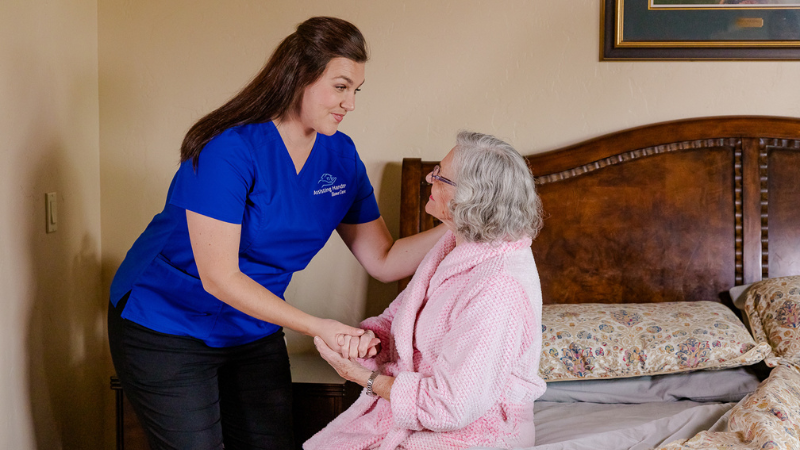
Seniors who are on bed rest are repositioned regularly in an effort to prevent pressure sores. Our caregivers are trained to provide safe transfer assistance, which includes turning them in bed, helping them up from a bed or chair, or escorting them through the home.
Assisting Hands Home Care: Dignified Support for Bedridden Seniors
If your aging loved one is prescribed blood thinners or any other medications, our caregivers provide medication reminders. Symptom management increases comfort, so we customize our care to alleviate any symptoms the senior currently experiences. We also provide bereavement support to families.
Assisting Hands Home Care hospice services help the elderly live their final days with dignity and in comfort. Our dedicated hospice team is privileged to serve the needs of seniors living in The Villages, Florida. Call us at (352) 758-4512 to learn how our home hospice care complements traditional hospice care.
Frequently Asked Questions:
What are the most common health risks for bedridden elderly?
Elderly individuals confined to bed are at risk for serious complications, including pressure sores, blood clots, pneumonia, and muscle atrophy. These conditions can develop quickly without proper care and significantly affect both comfort and longevity.
What are the signs that a bedridden senior is near the end of life?
Common signs include reduced appetite, changes in breathing, increased fatigue, skin discoloration, and withdrawal from conversation or social interaction. These symptoms often indicate that the body is beginning to shut down and may signal that end-of-life care is needed.
Can being bedridden cause death?
Being bedridden alone doesn’t cause death, but the complications that come with immobility—such as infections, blood clots, and respiratory failure—can shorten life expectancy. Preventative care and attentive daily support can reduce these risks.

