

As people age, their bodies undergo numerous changes that can lead to various health concerns, including reddened feet. Factors such as medical conditions, thinning skin, and medication side effects often contribute to this issue. For caregivers, understanding the causes of red feet in the elderly is essential for offering effective relief.
Redness or a purplish hue in a senior’s skin tends to stand out, largely due to the natural thinning of the skin that occurs with age. As the body’s largest organ, the skin gradually loses elasticity, becomes more fragile, and is more susceptible to bruising and dryness over time. These changes make older adults more prone to noticeable skin discoloration. For family members and caregivers, knowing why elderly feet turn red is key to delivering effective support, comfort, and preventive care.
What are the Causes of Red Feet in the Elderly?
1. Peripheral Artery Disease
Restricted blood flow to the senior’s limbs is a result of peripheral arterial disease (PAD). The condition causes plaque to build up in the arteries. Restricted blood flow to the feet causes redness or coldness. The resulting inflammation is also responsible for the red or purplish feet.
2. Venous Insufficiency
Venous insufficiency is a medical condition that causes blood to pool in the legs, turning the skin on the feet red. In seniors living with venous insufficiency, their blood circulation is poor—the veins in the legs are unable to efficiently send blood back to the heart.
3. Diabetes
Poor blood circulation is common in older adults with diabetes. Peripheral artery disease (PAD) is also more likely to develop in seniors with diabetes, and having both conditions significantly increases the risk of complications like foot discoloration, ulcers, and slow healing. Additionally, diabetic neuropathy—a form of nerve damage—can cause symptoms such as numbness, tingling, burning, and sometimes redness of the feet due to skin changes.

4. Fungal Infections
As older adults age, the immune system weakens, making seniors more susceptible to infections, including fungal ones. Athlete’s foot and toenail fungus are especially common in seniors. These conditions can cause itchiness, burning, scaling, and redness, particularly around the toes and feet.
5. Cellulitis
Cellulitis is a bacterial infection of the skin and the underlying tissues, causing redness, warmth, swelling, and tenderness in the lower legs. When it affects the feet, it can make moving and walking uncomfortable or difficult. Seniors with diabetes or poor circulation are at a higher risk of developing cellulitis, making early detection and treatment especially important.
6. Medications
Certain medications can cause redness, swelling, and pain in the feet. These often include drugs that affect blood pressure, circulation, and hormone levels. For example, calcium channel blockers, a common blood pressure medication, are known to cause swelling in the feet. Similarly, steroids can also lead to swollen feet.
7. Sedentary Lifestyle
While an active lifestyle promotes optimum circulation, a sedentary lifestyle is responsible for poor circulation. A lack of circulation precedes the redness of the feet and other health issues in the elderly. Engaging in regular physical activity is vital for seniors’ skin health.
8. Improperly Fitting Shoes
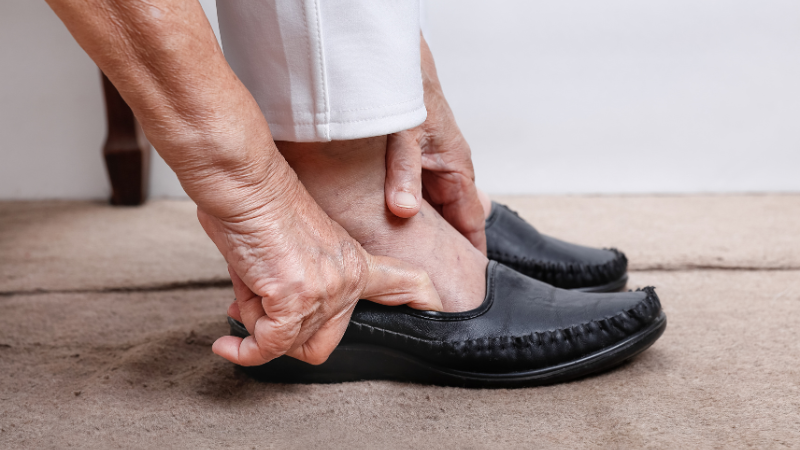
Seniors should wear properly fitting shoes to prevent blisters, redness, and swelling. Ill-fitting footwear can restrict circulation, leading to red feet. Tight shoes compress blood vessels, causing redness, while constant rubbing from poorly fitting shoes can irritate and inflame the skin.
9. Unhealthy Diet
Skin health is dependent on good nutrition. Seniors who fail to consume the necessary nutrients are likely to suffer from poor skin health. In addition to eating a nutrient-rich diet, staying well-hydrated is crucial, since dehydration can cause skin dryness and redness.
10. Smoking
Smoking cigarettes leads to a myriad of unwanted health conditions. Nicotine causes constricted blood vessels, which hampers circulation to the lower extremities. As a result, foot problems, like reddened feet, discoloration, and constant coldness, occur. Quitting a smoking habit reduces the risk of these complications.
How Do You Treat Red Feet in the Elderly?
Treating red or swollen feet in seniors depends on identifying and addressing the underlying cause. Here are some caregiver-recommended strategies:
- Elevate the feet to reduce swelling and improve circulation
- Use compression socks to support blood flow (especially for venous insufficiency)
- Encourage regular movement or light leg exercises to combat a sedentary lifestyle
- Ensure shoes are well-fitting and breathable, with sufficient toe space and heel support
- Promote daily foot hygiene, including:
-
- Washing with mild soap and water
- Drying thoroughly, especially between the toes
- Clipping toenails straight across
- Inspecting feet daily for cuts, sores, or blisters
In addition to physical care, a balanced diet supports skin health. Seniors should consume plenty of fruits, vegetables, lean proteins, and healthy fats. Hydration is critical, aim for about two liters of water per day, along with herbal teas or juices.
Get Expert Senior Care from Assisting Hands Home Care

Red, swollen feet in seniors should be treated, as it can indicate underlying health conditions. Early medical intervention and diagnosis prevent complications. When your aging loved one experiences reddened feet or swelling, turn to the professional caregivers at Assisting Hands Home Care. Our professionals provide a comprehensive range of non-medical home care services designed to improve the well-being of seniors.
We provide reliable transportation and escort to the doctor’s office so the senior can discuss their red feet or other health issues with a medical provider. Additionally, caregivers prepare healthy meals and serve beverages throughout the day to ensure seniors consume enough nutrients and hydration. We socialize with the seniors during mealtimes, which encourages them to eat more and enjoy the dining experience.
We also assist with hygiene tasks, like bathing and dressing. Caregivers help seniors dry their feet thoroughly after baths and clip their toenails—all of which prevent skin issues. If your aging loved one takes medications, we give timely medication reminders.
Assisting Hands Home Care is the solution, whether the senior in your life suffers from red feet or simply needs extra help at home. We are privileged to serve the elderly in The Villages, Lady Lake, Ocala, Oxford, FL, and the surrounding areas. Schedule a free in-home consultation today to see how our compassionate senior home care is beneficial.
Frequently Asked Questions:
What causes red or swollen feet in elderly people?
Common causes include diabetes, poor circulation, venous insufficiency, fungal infections, and medication side effects. Aging skin and reduced mobility also contribute to foot redness.
When should you worry about red feet in seniors?
Seek medical attention if foot redness is persistent, painful, warm to the touch, or accompanied by swelling or open wounds. These may indicate infections like cellulitis or serious circulatory issues.
How can caregivers help elderly loved ones with red feet?
Caregivers can support senior foot health by encouraging movement, ensuring good nutrition, using compression socks, promoting hygiene, and arranging timely doctor visits for diagnosis and treatment.

