

Bathing gets harder with age. Reduced energy, stiff joints, balance problems, or an illness can turn a simple shower into a genuine challenge, and many families are unsure when to step in. If you’re caring for an aging parent or loved one, it helps to know what healthy bathing habits look like for older adults, when they can manage on their own, and when it’s time for a family member or a professional caregiver to lend a hand.
In this guide, we’ll cover how often seniors should bathe, why daily showers can do more harm than good, the factors that affect bathing frequency, signs your loved one needs more help, what to do when a senior refuses to bathe, and how to make bath time safer at home.
Key Takeaways
- Most seniors should bathe 2 to 3 times per week, a range consistent with guidance from geriatric and dermatology experts.
- On non-bathing days, cleaning the face, hands, underarms, groin, and feet with a warm washcloth maintains good hygiene without drying out aging skin.
- Some seniors need to bathe more or less often depending on activity level, incontinence, skin conditions, climate, or medical needs.
- If bathing has become unsafe or stressful, a trained caregiver can help while protecting your loved one’s dignity.
How Often Should Seniors Bathe?
Most older adults only need a full bath or shower two to three times per week to maintain good hygiene, a range consistent with National Institute on Aging guidance on caring for aging skin. Aging skin is thinner, drier, and more easily irritated than younger skin, so frequent bathing tends to cause more problems than it solves.
On non-bathing days, a quick sponge bath goes a long way. A warm washcloth used on the face, underarms, groin, and feet keeps your loved one fresh and comfortable without drying out their skin.
Why Seniors Don’t Need to Bathe Every Day
Daily bathing strips older skin of the natural oils it needs to stay healthy. Because seniors produce less oil to begin with, washing too often leads to dryness, itching, and irritation. The American Academy of Dermatology notes that dry, itchy skin becomes far more common after age 60, and over-washing makes it worse. Hot water compounds the problem, leaving skin cracked and more vulnerable to infection.
There’s also the skin’s microbiome to consider, the community of beneficial bacteria that acts as a protective barrier and supports immune function. Over-washing disrupts that balance, even with natural products, which can worsen existing skin conditions and accelerate skin aging. A gentler routine, built around mild, pH-balanced cleansers and fewer full baths, protects the skin rather than wearing it down.
What Determines How Often an Elderly Person Should Bathe?
The right bathing schedule looks different for every senior. Here are the main factors to consider:
Mobility and Fall Risk
The bathroom is one of the most common places seniors fall. According to the CDC, about one in four adults age 65 and older falls each year, and bathroom falls are among the most likely to cause serious injury. If your loved one has limited mobility or poor balance, it’s safer to schedule baths on days when someone can be there to assist, even if that means bathing slightly less often.
Incontinence
Seniors managing incontinence need prompt partial cleansing after accidents to prevent skin breakdown and urinary tract infections. Keep in mind that this hygiene maintenance is separate from regular bathing; both belong in the routine.
Dementia or Alzheimer’s Disease
Seniors living with dementia may forget to bathe, resist it, or find the experience distressing. In these cases, a consistent routine and familiar cues often matter more than hitting a set number of baths per week. If your loved one lives with memory loss, our Alzheimer’s and dementia care team builds bathing into a predictable daily rhythm that reduces anxiety.
Activity Level and Climate
An active senior who gardens, exercises, or spends time outdoors will need to bathe more often than one who is mostly sedentary.
Climate matters too. In Southwest Florida, where humidity stays high most of the year, seniors in Fort Myers and throughout Lee County often need an extra bath or rinse during the summer months, especially if they spend time outdoors or keep the thermostat warm. Sweat and moisture trapped in skin folds can lead to rashes and fungal irritation, so a quick rinse or a targeted washcloth cleaning on hot days goes a long way.
Skin Conditions
Conditions like eczema, psoriasis, or chronically dry skin usually come with specific care instructions. Follow the routine and products the senior’s physician recommends rather than a general schedule.
Personal Preference
Bathing is deeply personal, and dignity should guide every decision. Some people grew up bathing daily; others didn’t. Never force or rush a senior into a bath or shower. Their comfort and consent come first.
Signs a Senior May Need More Help with Bathing
If you’re not sure whether your loved one is keeping up with hygiene on their own, watch for these signs:
- Noticeable body odor or an unkempt appearance: This often means they need reminders or hands-on help with bathing.
- Wearing wet or soiled clothing without noticing: A caregiver may need to prompt them to bathe and change.
- Skin irritation, redness, or rashes: These can signal that hygiene has slipped and bathing needs to happen more often.
- Fear of or refusal to bathe: Anxiety around bathing, especially fear of falling, often calls for trained professional support.
- Caregiver exhaustion: If assisting with hygiene is wearing you down physically or emotionally, that’s a sign in itself that professional help would benefit both of you.
What Happens if a Senior Doesn’t Bathe Enough?
Bathing too little carries real health risks, and they tend to show up quickly on aging skin. When sweat, bacteria, and dead skin build up, thinner skin breaks down faster, and small problems turn into medical ones. Infrequent bathing in older adults can lead to:
- Skin infections, including cellulitis: Bacteria enter through dry, cracked, or broken skin and can cause infections serious enough to require antibiotics or hospitalization.
- Urinary tract infections: Inadequate cleansing of the groin area is a leading contributor to UTIs in seniors, especially for those managing incontinence. In older adults, UTIs can also cause sudden confusion that families mistake for dementia.
- Fungal rashes in skin folds: Warm, damp areas under the arms, beneath the breasts, and in the groin become breeding grounds for fungal growth when they aren’t cleaned and dried regularly.
- Social withdrawal and low mood: Seniors who are aware of body odor often start avoiding visitors, outings, and family gatherings, and that isolation feeds depression.
The goal isn’t more bathing for its own sake. It’s a consistent routine: two to three full baths a week, plus daily washcloth cleaning of the areas that need it most.
What to Do When a Senior Refuses to Bathe
Bathing refusal is one of the most common and most stressful challenges family caregivers face. If your loved one resists, these strategies can help:
1. Start With Empathy
Refusal is rarely stubbornness for its own sake. Fear of falling, embarrassment, discomfort, or confusion is usually underneath it, and recognizing that makes the situation easier on both of you.
2. Build a Consistent Routine
Offer baths at the time of day they prefer, warm the bathroom ahead of time, play music they enjoy, and give them choices, such as a shower or a bath, when possible. Small comforts restore a sense of control.
3. Don’t Argue, Redirect
If your loved one has dementia, arguing about bathing rarely works. Stay calm, use a gentle tone, and try again later or approach the task differently.
4. Involve Their Doctor if Refusal Persists
A physician can help rule out pain, fear, or sensory sensitivities behind the resistance. In many cases, a professional caregiver can succeed where a family member can’t, simply because the dynamic is less personal.
Safe Bathing Tips for Seniors
If your loved one can still bathe with some independence, set them up for success:
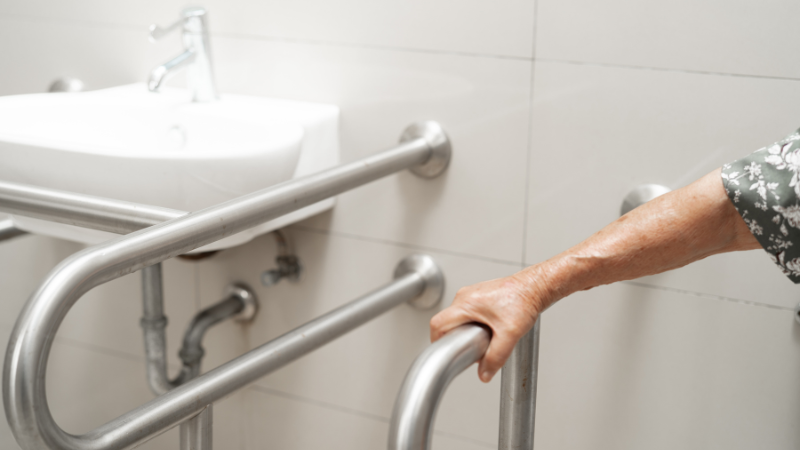
- Install grab bars and non-slip mats to reduce fall risk.
- Add a shower chair so they can bathe seated and conserve energy.
- Test the water temperature with an elbow (more sensitive than a hand) before they get in.
- Place all supplies (soap, shampoo, washcloth, towel) within easy reach before starting so there’s no stretching or bending mid-bath.
- Never leave a senior with cognitive impairment alone in the tub.
- Apply moisturizer right after drying and pat the skin dry rather than rubbing.

When It’s Time to Consider Professional Help with Bathing
Bathing is often the first activity of daily living that families struggle to assist with. It’s physically demanding, it raises real safety concerns, and for many seniors, accepting help from an adult child feels like a loss of privacy.
A professional caregiver trained in dignified personal care can ease all three of those pressures at once. They know how to assist with bathing safely, respect your loved one’s modesty and preferences, and take the physical and emotional strain off family members, so your time together can be about connection instead of caregiving tasks.
Personal Care Assistance from Assisting Hands Home Care
If bathing has become difficult for your senior loved one or stressful for you as their caregiver, Assisting Hands Home Care is here to help. Our trained, insured, and background-checked caregivers provide dignified home care in Fort Myers, FL, and the surrounding areas of Charlotte and Lee Counties, including assistance with bathing, dressing, toileting, and other activities of daily living and personal care. We take the time to learn your loved one’s routines and preferences, then build a care plan around them, so bath time stays safe, comfortable, and respectful in the home they love.
Every care plan begins with a complimentary in-home assessment. Call Assisting Hands Home Care at (239) 510-7761 to schedule your free consultation for our elderly care services.
Frequently Asked Questions (FAQs)
How often should a senior with dementia bathe?
One to two full baths per week is enough for most seniors with dementia. Consistency matters more than frequency: bathing at the same time of day, in the same order, with the same cues reduces fear and resistance. Some families find a short daily routine works better because it becomes familiar rather than negotiable.
How often should a bedridden senior be bathed?
Bedridden seniors typically need a sponge bath or bed bath daily or every other day, with careful attention to skin folds, the groin, and pressure points. Frequent partial cleansing prevents skin breakdown and pressure injuries, which develop quickly when skin stays damp or soiled.
Is a shower or a bath safer for an elderly person?
A walk-in shower is generally safer than a tub because there’s no high edge to climb over. Safety depends more on the setup than the type: grab bars, a non-slip mat, a shower chair, and a handheld showerhead make either option far safer.
How often should seniors wash their hair?
Once or twice a week is enough for most older adults. Aging scalps produce less oil, so frequent washing causes dryness and irritation. Dry shampoo or no-rinse shampoo caps work well between washes, especially for seniors with limited mobility.

