
What Is Parkinson’s Disease?
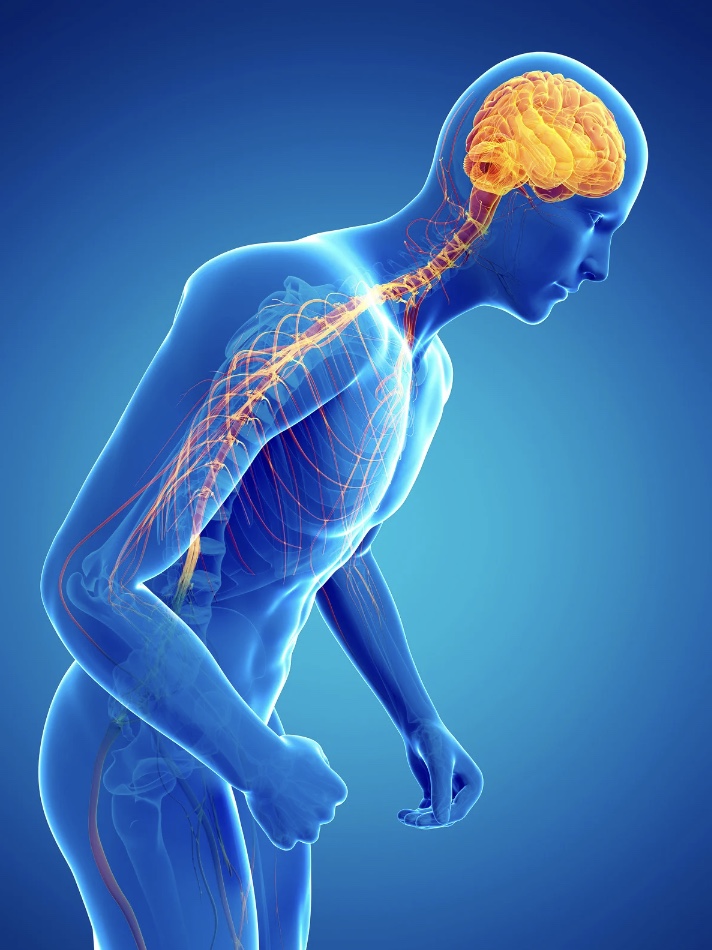
Parkinson’s disease affects nearly 1 million people in the United States, and that number is expected to continue to rise. Parkinson’s disease is a progressive disorder that affects movement, balance, and thinking. It happens when brain cells that produce dopamine start to die. Dopamine is a chemical that helps control movement and emotions. As the disease progresses, both physical and cognitive symptoms change. Knowing what to expect at each stage can help you and your family prepare.
Stage 1: Mild Symptoms, Minimal Impact
In the first stage, symptoms are mild and usually affect only one side of the body. You may notice slight tremors, stiffness, or slower movements in your loved one. They might seem less expressive, with fewer facial expressions. Cognitive changes at this stage are usually subtle, like occasional trouble focusing or slight forgetfulness. These changes often do not interfere with daily activities, allowing your loved one to continue their normal routines.
Stage 2: Symptoms on Both Sides, Noticeable Changes
During stage two, symptoms appear on both sides of the body. You may notice tremors, stiffness, and slower movement, making daily tasks like dressing or cooking more difficult. While balance is generally still good, movements may seem less smooth. Cognitive symptoms may start to  emerge, including increased difficulty multitasking or mild memory issues. These changes can make everyday life more challenging for your loved one, though they may still manage most activities independently.
Stage 3: Balance Problems and Cognitive Decline
Stage three is when balance problems begin to surface, and your loved one may feel unsteady or experience occasional falls. Movements become slower, and tasks like buttoning a shirt or tying shoes can become more difficult. Cognitive decline can also become more noticeable, affecting your loved one’s ability to plan, organize, and keep up with conversations. You might see more frequent forgetfulness or trouble finding the right words. They can still live on their own, but some daily support might be needed.
Stage 4: Severe Motor Symptoms and Cognitive Impairments
Stage four brings severe motor symptoms, making walking and movement much more challenging. Your loved one may need a walker or other mobility aids. At this point, they will likely need help with most daily activities, such as eating, dressing, and bathing. Living alone is often not safe due to increased fall risks. Cognitive changes also worsen, impacting decision-making, problem-solving, and short-term memory. Mood changes, including anxiety or depression, may also be present. At this stage caring for a loved one with Parkinson’s can take a toll on their primary caregiver, and home care is often sought out from an agency.
Stage 5: Advanced Stage, Loss of Mobility, and Severe Cognitive Decline
Stage five is the most advanced stage, and your loved one will likely need full-time care. They may no longer be able to stand or walk without significant assistance. Cognitive symptoms become severe, and hallucinations, confusion, and significant memory loss can occur. Communication becomes difficult, and recognizing familiar faces and places may be hard. Full-time support is essential to ensure their safety and well-being. At this stage, families sometimes look to place their loved one in a skilled nursing facility, or will require more extensive in home care from an agency.
What to Keep in Mind as Parkinson’s Progresses
Parkinson’s disease does not follow the same path for everyone. The progression rate can vary, with some experiencing slow changes over many years while others progress more quickly. Regular check-ups with healthcare providers are crucial for managing symptoms and adapting care as needs change.
Understanding the stages of Parkinson’s can help you prepare for the changes your loved one will face. As the disease affects both physical and cognitive functions, having a solid support system is vital. By staying informed, adapting the home environment, and seeking help when needed, you can provide the best care possible as your loved one navigates the challenges of Parkinson’s disease.
This article was written by Assisting Hands Home Care, a provider of in home care in Fort Myers and the surrounding areas. If you have a loved one would benefit form in home care, give us a call today at 239-510-7761

