
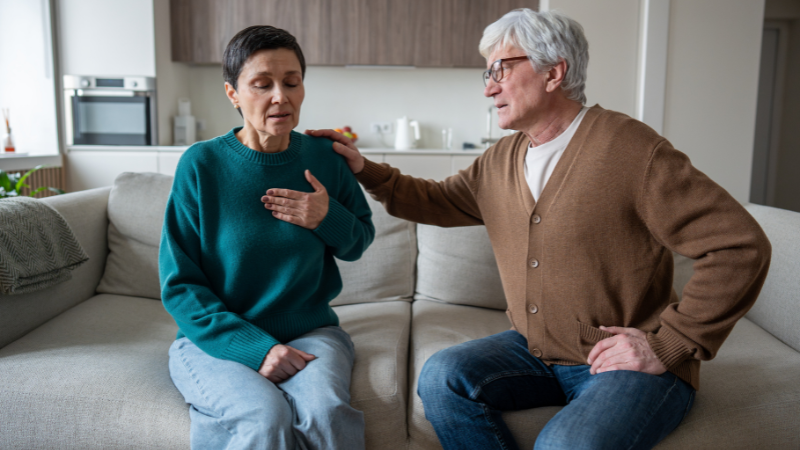
Dizziness is a common concern for older adults, and it can significantly increase the risk of falls, injuries, and loss of independence. Approximately 20–30% of adults over 65 experience dizziness or balance problems annually, with prevalence rising to over 50% for those over 80, as stated by the National Institutes of Health (NIH).
While occasional lightheadedness may seem minor, taking proactive steps to manage balance and prevent dizziness can help seniors stay safe, active, and confident in daily life. In this guide, we’ll explore effective strategies, balance exercises, home safety tips, and professional support options that help seniors prevent dizziness and maintain independence at home.
Understanding Dizziness and Fall Risks in Seniors
Aging naturally affects balance, coordination, and reflexes. Combined with chronic conditions, medication use, and inner ear changes, these factors make seniors more prone to dizziness and falls. According to the CDC, one in four adults aged 65+ falls each year, making fall prevention a critical part of senior care. Recognizing these risks allows families and caregivers to implement preventive strategies early, reducing the likelihood of injuries.
Common risk factors include:
- Age-Related Changes: Slower reflexes, vision shifts, and changes in the inner ear can disrupt balance.
- Multiple Medications: Some prescriptions, including blood pressure medications and sedatives, may cause dizziness.
- Chronic Conditions: Heart disease, diabetes, or neurological conditions can affect equilibrium.
- Previous Falls: Seniors with a history of falls are at higher risk of future balance issues.
Practical Strategies to Prevent Dizziness in Seniors
1. Lifestyle Adjustments
Maintaining healthy daily habits is key to reducing dizziness and supporting overall balance. Seniors should:
- Stay hydrated: Prevent drops in blood pressure and dehydration-related lightheadedness.
- Eat nutrient-rich meals: Include protein, whole grains, and vitamin B12 to support nerve and brain function.
- Limit caffeine and alcohol: These can affect blood pressure and inner ear stability.
- Move regularly: Gentle walking, stretching, or low-impact aerobics improve circulation and maintain muscle strength, which is critical for balance.
2. Balance and Strength Exercises
Targeted exercises can dramatically improve stability, coordination, and fall resistance:
- Tai chi and yoga: Enhance flexibility, posture, and proprioception.
- Physical therapy routines: Tailored exercises for seniors strengthen the core, legs, and ankles.
- Simple at-home drills: Heel-to-toe walking, chair stands, and single-leg balances can be practiced daily to boost stability and confidence.
Caregiver Tip: Encourage seniors to perform balance exercises for at least 10 minutes daily to reduce the likelihood of falls.
3. Home Safety Modifications
A safe living environment significantly reduces fall risk:
- Ensure bright, even lighting in hallways, bathrooms, and staircases.
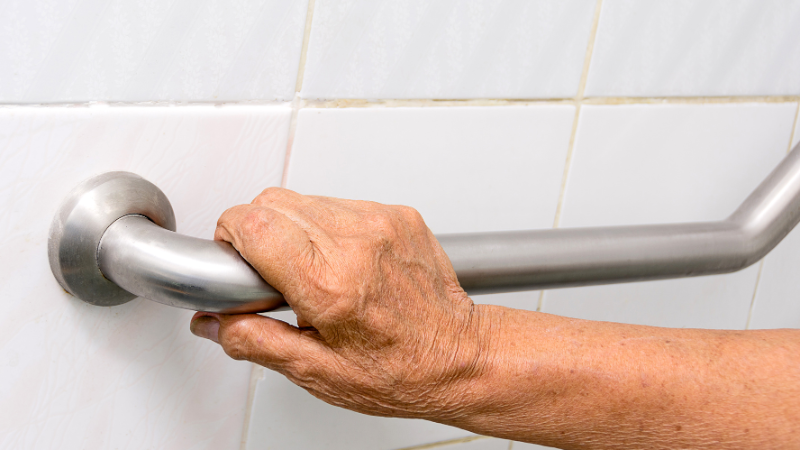
- Install grab bars in bathrooms, sturdy railings on stairs, and anti-slip mats in high-risk areas.
- Remove or secure tripping hazards, such as loose rugs, cords, or cluttered walkways.
- Consider motion-sensor night lights for safe nighttime mobility.
4. Medication and Health Management
Regular medical oversight is essential for preventing dizziness caused by medications or underlying conditions:
- Schedule routine check-ups to monitor blood pressure, heart rhythm, and neurological health.
- Review medications with your healthcare provider or pharmacist, noting side effects that may trigger dizziness.
- Track symptoms in a journal to provide accurate information for your doctor, enabling timely adjustments to treatments.
5. Professional In-Home Care from Caregivers
Caregivers play a vital role in preventing dizziness-related injuries and supporting independence:
- Mobility assistance: Help with walking, transfers, and supervision during risky activities.
- Home safety guidance: Assess the home and suggest safety improvements.
- Medication management: Reminders and monitoring to prevent dizziness from side effects.
- Healthy routines: Encourage hydration, balanced meals, and daily balance exercises.
When to Seek Medical Help for Dizziness in Seniors
Not all dizziness is dangerous, but some symptoms can indicate serious health problems. Knowing when to act quickly can prevent falls, injuries, or complications. Seek immediate medical attention if dizziness comes with any of the following:
- Dizziness when standing up suddenly: Could signal orthostatic hypotension or benign paroxysmal positional vertigo (BPPV), where tiny crystals in the inner ear disrupt balance.
- Dizziness with other alarming symptoms: Nausea, vomiting, blurred or double vision, chest pain, or severe headaches may point to cardiovascular or neurological issues.
- Persistent or recurring dizziness: Long-lasting or repeated episodes should be evaluated to rule out chronic conditions or medication side effects.
- Neurological warning signs: Weakness, numbness, slurred speech, facial drooping, or sudden confusion could indicate a stroke or transient ischemic attack (TIA).
The Role of Professional In-Home Care in Fall Prevention
Dizziness in seniors isn’t just uncomfortable; it can increase the risk of falls, injuries, and complications from underlying health conditions. Many episodes can be managed or even prevented with proactive care, lifestyle adjustments, and home safety measures. Professional in-home caregivers play a vital role in keeping seniors safe and independent. Services often include:
- Assistance with mobility and transfers
- Home safety improvements and fall prevention guidance
- Medication management to prevent dizziness triggers
- Encouragement of hydration, nutrition, and balance exercises
With consistent support, seniors maintain confidence, stability, and overall well-being while reducing the risk of dizziness-related injuries.

Take the First Step: Senior Care and Fall Prevention
If you or a loved one is at risk, Assisting Hands Home Care – Fort Worth provides compassionate, professional in-home support tailored to seniors’ needs. Our trained caregivers help:
- Keep seniors safe and independent at home
- Reduce fall risks through mobility assistance and home modifications
- Encourage healthy routines that support balance and wellness
- Provide peace of mind for families, knowing their loved ones are cared for
Contact Assisting Hands Home Care today by calling (817) 646-2970 to learn how our highly trained caregivers can help your loved one stay safe, healthy, and confident at home in Fort Worth, TX, and the surrounding areas of Tarrant County.
Frequently Asked Questions (FAQs)
What are the most common causes of dizziness in seniors?
Dizziness in seniors is often caused by age-related changes in balance and vision, chronic health conditions like heart disease or diabetes, medication side effects, and inner ear issues such as benign paroxysmal positional vertigo (BPPV). Previous falls can also increase the risk of future balance problems.
How can seniors prevent dizziness at home?
Seniors can prevent dizziness by staying hydrated, eating balanced meals rich in vitamins like B12, limiting alcohol and caffeine, performing daily balance and strength exercises, and ensuring their home is free of fall hazards with proper lighting, grab bars, and anti-slip mats.
Which exercises are best for improving balance in seniors?
Tai chi, yoga, and low-impact aerobic exercises improve flexibility, posture, and proprioception. At-home exercises like heel-to-toe walking, chair stands, and single-leg balances strengthen core and leg muscles, which are critical for stability and fall prevention.
How do medications contribute to dizziness in older adults?
Some medications, including blood pressure drugs, sedatives, and certain pain relievers, can cause lightheadedness or balance issues. Seniors should review their medications with a doctor or pharmacist regularly to minimize dizziness risks.


