
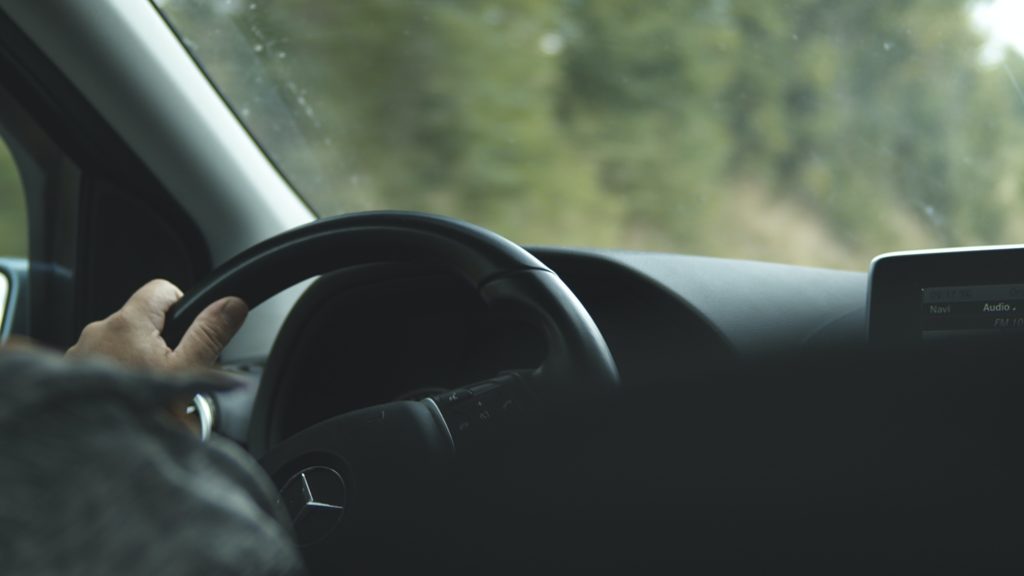
In 2015, Bloomberg News ran an article talking about how healthy seniors in the United States have no intention of slowing down! Retirees are buying new cars at an unprecedented high rate, exploding the myth that they should leave the open road for younger, and supposedly safer, senior drivers.
There are a lot of myths out there regarding senior motorists. But what’s true and what’s not? It is true that physical and intellectual impairment can impact the response time of a driver. And while we see stories in the news about car accidents caused by older adults, the majority of seniors are perfectly capable of driving safely.
Driving equals independence in the minds of many seniors and it’s time to set the record straight on whether it is safe for them to do so. In this article and the next, we’re going to look at some common — and mistaken — myths about senior drivers.
Myth #1: All seniors are bad drivers and don’t belong on the road.
Fact: Many older drivers are good drivers, and in fact, they are some of the most experienced drivers on the road! Even though it is an inarguable fact that visual impairment, hearing loss, and reduced manual dexterity can lead to unsafe driving, not all older adults suffer from these afflictions to the same degree.
The only way to tell if a person should be behind the wheel, at any age, is if they receive regular assessments. Only a professional like an occupational therapist can evaluate the dexterity of an older adult to determine if they are physically and mentally able — or unable — to drive.
Myth #2: Unless there is a bad accident, seniors won’t change their driving habits.
Fact: An accident—or ticket—can be a wake-up call for an older driver. In fact, studies done at the University of Colorado School of Medicine found that older adults would stop driving if their family thought it was unsafe for them to do so, and many older adults know their driving limitations and they make adjustments on their own.
For example, if visibility is only an issue during the evening, they can still drive during the daytime. They can stay off busy roads and stick to familiar routes and neighborhoods. And if they aren’t comfortable driving long distances, they can take public transportation when needed.
Talk with your loved one to see if they are experiencing limitations in only certain types of driving conditions. There is no need to take away their keys if they can monitor themselves and their capabilities.
Myth #3: A senior should stop driving immediately if they feel like their abilities have deteriorated.
Fact: Sometimes this is true and it is the safest thing to do. However, there are steps seniors can take to make them safer drivers. AAPR, AAA, senior centers and other senior-centric organizations offer driving lessons. It could be they just need to sharpen their skills or have a refresher course on the rules of the road. Perhaps the car just needs a few upgraded features, such as better mirrors and new windshield wipers to improve visibility.
A good question to ask is: Is the car the appropriate size? A large vehicle is difficult to operate and maneuver. A smaller car will handle better, be easier to park, and will be easier to get in and out of.
Also, how old is the car? Newer cars are equipped with features that can help an older driver, such as a backup camera and warning sensors.
Finally, drivers of any age with better flexibility and range of motion are safer drivers. As you age, continue to stay healthy, and exercise both your mind and body. Our blog is full of resources in this regard, and Assisting Hands is always available to help.
Assisting Hands Home Care Can Help
Next week, we’re going to look at a few more myths about senior drivers, but in the meantime, please continue to research this interesting and important topic elsewhere. The National Highway Traffic Safety Administration offers great information and resources for older drivers and their families.
Assisting Hands Home Care in West Austin provides transportation services for our seniors, so please call us (512) 999-7379 today to learn more.

