
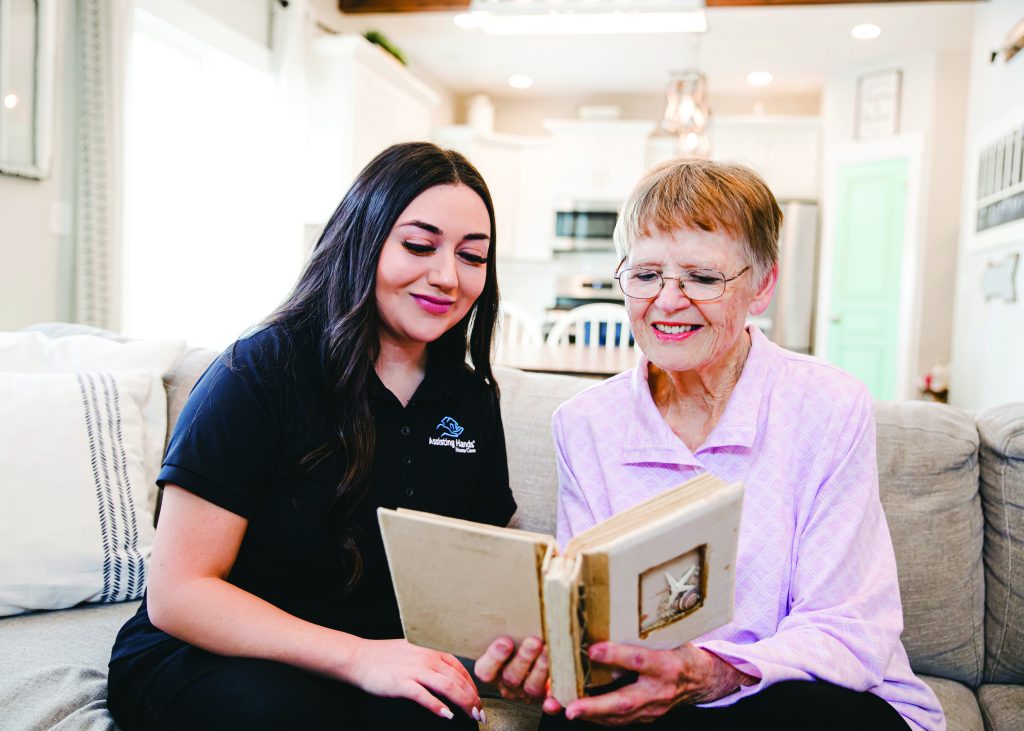
Caring for a loved one can be an incredibly stressful role, particularly as parents age, and adult children often assume this responsibility. Memory loss is a common issue among older adults that can exacerbate this stress, affecting their thoughts, emotions, and behavior. They may become confused, prone to wandering, or agitated, and their personalities might shift—someone who was once patient may now quickly become irritable.
If you are a caregiver for an aging loved one dealing with memory loss, it’s crucial to educate yourself about your loved one’s condition. Additionally, finding effective coping strategies will allow you to care for them confidently. In this guide, we provide insights into supporting a loved one with memory loss, including offering strategies to help them navigate their new reality, ensuring they can lead a happy and fulfilling life.
How to Support a Loved One with Memory Loss
It is incredibly difficult to watch a loved one affected by memory loss change as they become older, especially when it affects their behavior and personality traits. This is why it is important to take steps to understand them better so you can support them the best you can as their caregiver.

Educate Yourself About Their Condition
You should learn as much as possible about your loved one’s condition. This will help you understand why they are exhibiting certain behaviors and give you a better idea of how to respond to these behaviors.
Make sure to regularly speak to physicians and other health professionals so you can get the most accurate information about their specific condition and how the disease will progress over time.
Keep Things Slow and Simple
Many elderly individuals experience cognitive challenges, which can affect their ability to follow directions and make decisions. When communicating with them, make sure your message is straightforward and broken into manageable steps. Begin by addressing them by name to capture their attention before proceeding. Follow up with clear, positive instructions or choices. For instance, you might ask, “Dad, would you prefer cereal or oatmeal?” or say, “Mom, here is your glass.”
Find Things You Enjoy Together
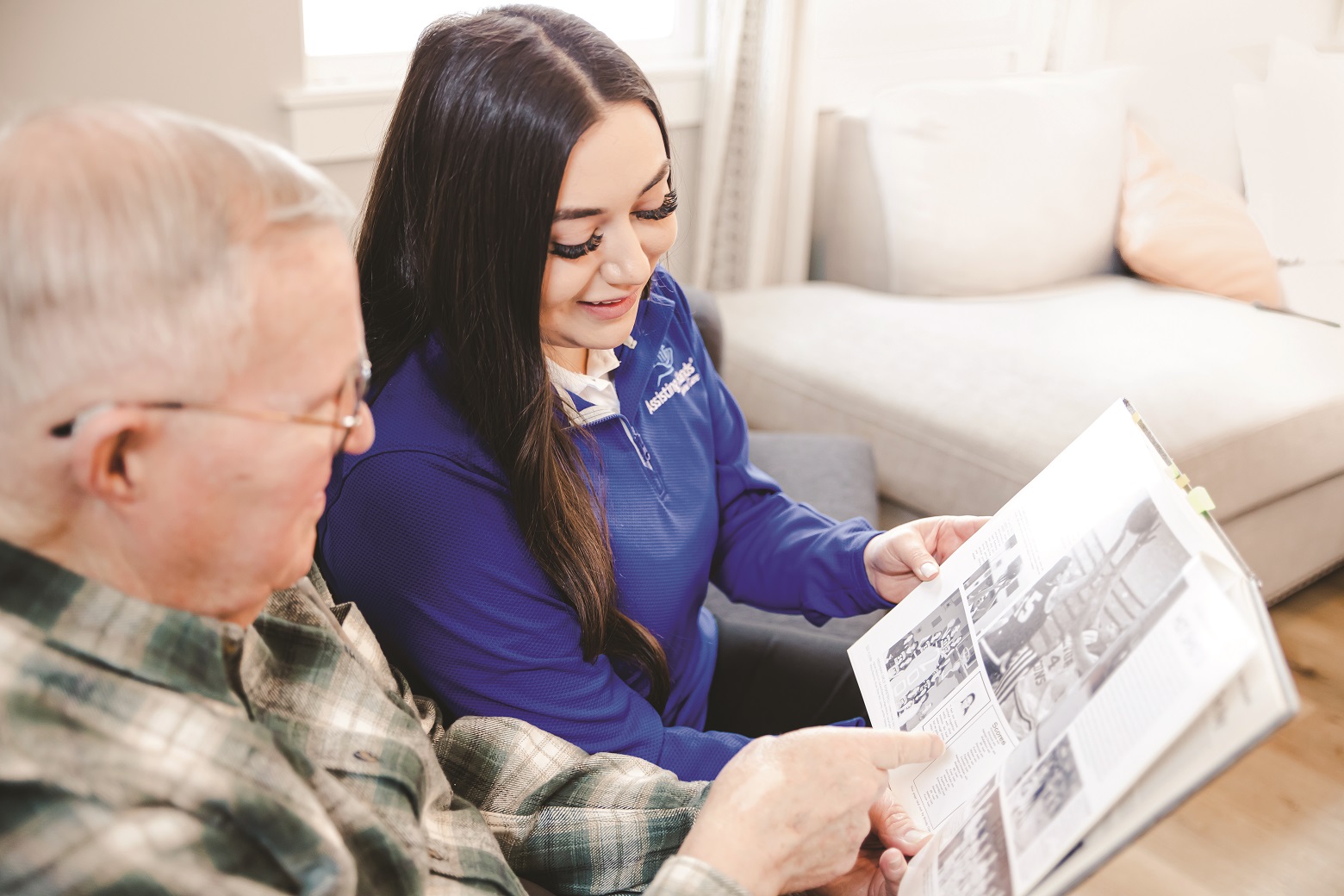
Many activities can enhance our lives, bringing joy and fulfillment. People experiencing memory loss also benefit from engaging in meaningful and pleasurable pursuits. If you and your parents share an interest in activities like gardening, music, or reading, make sure they can still participate. Encourage them to assist with tasks they are capable of, such as digging holes in the garden. This involvement fosters a sense of accomplishment and satisfaction, allowing you to enjoy quality time together doing something you both love.
Keep a Routine While Being Flexible
Having a routine is incredibly beneficial if your loved one experiences memory loss. Design the routine around their moods and behaviors. It might be advantageous to schedule tasks in the morning, reserving smaller, low-energy activities for the late afternoon. Flexibility is also key—be ready to adjust the routine swiftly to meet your loved one’s immediate needs. Remember, some days may not go as planned, and that’s perfectly acceptable.
Take Good Care of Yourself
Prioritize self-care and treat yourself with kindness to maintain the energy and capacity needed to care for your loved one. Establish a support network to avoid caregiving in isolation. Connect with friends, family, or support groups for conversations and encouragement. Seek out organizations or individuals who can assist with caregiving tasks, allowing you to take necessary breaks.
Always Plan Ahead
If you have a loved one experiencing memory loss, they may increasingly require assistance over time. It’s crucial to develop a comprehensive plan addressing both current and future needs for you and your parents. Identify the areas where they need help immediately and determine which caregiving tasks you can manage versus those requiring professional assistance. Consider all aspects of care, including personal needs, household chores, maintenance, and financial management.
Ensure They Take Their Medications and Eat Well
Ensure your loved one with memory loss takes prescribed medications and supplements. Without medication reminders, a senior with memory loss may forget to take their medication which can have detrimental effects. It’s important for them to avoid processed foods, maintain regular medical checkups, and consume nutritionally dense meals.

Engage in Mental Stimulation
Encouraging your loved one to engage in physical activities, such as taking walks or exploring new areas, can boost oxygen flow to the brain. Additionally, mental exercises like crossword puzzles or sudoku are excellent for stimulating the mind, especially beneficial for those experiencing memory loss.
Learn About Aging at Home Technology
There are numerous technological solutions that can assist in helping your loved one age comfortably at home. From medication reminders and fall detection to monitoring blood pressure and oxygen levels, these innovations make caregiving more manageable and enhance the overall experience.
Professional Senior Care
Caring for an elderly loved one with memory loss is rewarding, but also a difficult and stressful experience. Conditions like dementia are degenerative which means the symptoms will get worse over time. While you may be able to handle providing care for a loved one with memory loss at first, their care needs may become too much for you to handle on your own. At this point, it is beneficial to reach out to a home care professional for help.

Assisting Hands Home Care provides Alzheimer’s and dementia care that is specifically tailored to the needs of dementia patients living at home. Our caregivers have the proper training and experience to care for dementia patients, including reacting to common behaviors while ensuring their personal care needs are met. Our memory care services help improve the quality of life for dementia patients by ensuring they are safe and comfortable in their own homes. You can call us at (352) 758-4512 for more about how we can help care for seniors with dementia in The Villages, FL and the surrounding areas.

