

Holiday loneliness among seniors is common, but it is rarely immediately obvious. It may show up as a shorter phone call, a tree that never gets put up, or a parent who says “I’m fine” a little too quickly. Fortunately, holiday loneliness can often be eased with some planning, a few honest conversations, and extra support from companion care when family can’t be there.
The holidays revolve around togetherness, which is why the absence of it can hurt so much. According to the United States Census Bureau, about 28% of adults age 65 and older live alone. But living alone isn’t the only cause of loneliness. Even a widow surrounded by grandchildren on Christmas Day can feel that the person she most wants beside her is missing.
Here in The Villages, we see a particular version of this every year. Many residents have moved here from elsewhere, while their adult children live across the country. The calendar may be full of clubs, pickleball, and happy hours, yet the holidays can still feel lonely when the people they’d most like to spend time with are a plane ride away.
This guide explores why the holidays can be especially difficult for older adults, the signs of loneliness to watch for, what to say (and what to avoid), and how to keep meaningful support in place long after the decorations come down.
Why Seniors Feel Lonelier During the Holidays
Seniors feel lonelier during the holidays because the season puts a spotlight on changes such as who is gone, what they can no longer do, and how far away family lives. The rest of the year, those losses sit in the background. In December, every song and gathering points right at them. The following are contributors to loneliness during the holidays:
Grief and Empty Chairs at the Table
Grief is the most common reason the holidays feel harder. A spouse who died three years ago can feel newly absent when it’s time to set the table or hang their stocking. Older adults also tend to carry several losses at once: a spouse, siblings, close friends, and sometimes an adult child. Each holiday can bring all of them back.
Changed Traditions and Lost Roles
Many seniors lose their role in the holiday, and that can hurt as much as losing the holiday itself. The mom who hosted Thanksgiving for 40 years may now be the guest, handed a plate and asked to sit down. People mean well, but going from the person who held everything together to the person who gets driven over can feel like being retired from the family.
Mobility, Driving, and Getting Around
Physical limitations can quickly narrow a senior’s world during the holidays. Someone who no longer drives at night may miss the candlelight service or neighborhood party, while using a walker can make crowded stores and lengthy church services difficult to manage. In Central Florida, seasonal traffic and crowds create another barrier. With roads and parking lots busier during the winter months, some older adults choose to stay home rather than deal with the added stress of getting around. Arranging senior transportation ahead of time removes that barrier.
Hearing and Vision Changes
Hearing loss turns a crowded holiday table into background noise. When several people talk at once, many seniors stop trying to follow the conversation and quietly withdraw. Seat them away from music and the kitchen, face them when you talk, and make sure hearing aids are charged before the gathering. Low vision can have the same effect in dim rooms lit mostly by candles and string lights.
Shorter Days and Seasonal Mood Changes
Shorter days can lower mood and energy even in Florida. The change in daylight here is gentler than up north, but evenings still come early, and that can mean more hours alone indoors. For some people, less light plays a real part in seasonal low mood. Combined with a quieter social calendar, early darkness makes the afternoons feel long.
Family Living Far Away
Distance is one of the biggest drivers of holiday loneliness for retirees in The Villages. Adult children have jobs, in-laws to visit, and kids of their own, so the trip south doesn’t always happen. A video call helps, but it is not the same as a hug at the door. Many seniors also hide their disappointment so their kids won’t feel guilty, which means families often don’t realize how hard it’s been.
Signs of Holiday Loneliness in Seniors
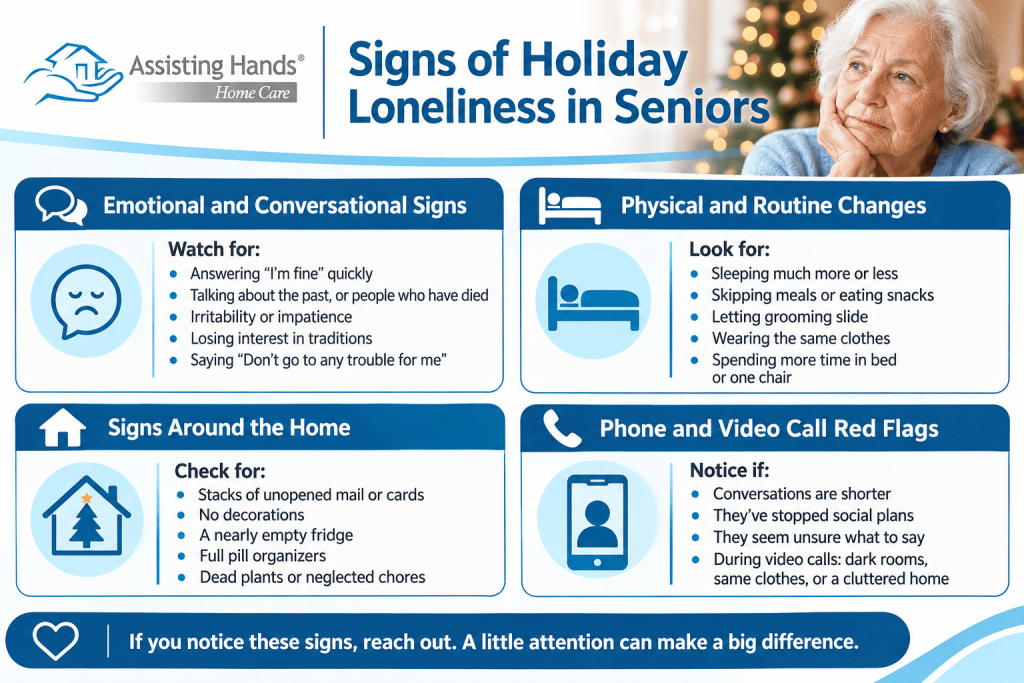
The clearest signs of holiday loneliness are changes from a senior’s normal pattern including pulling back from traditions they loved, shifts in sleep or appetite, a home that looks less cared for, and phone calls that get shorter and vaguer. One sign on its own rarely means much but two or three together, especially if they’re new this season, are worth a closer look.
Read: What Are the Early Signs a Senior Shouldn’t Live Alone?
Emotional and Conversational Signs
What a parent says, and doesn’t say, is often the first clue. Watch for:
- Answering “I’m fine” quickly and changing the subject
- Talking much more about the past, old holidays, or people who have died
- Irritability or impatience that isn’t like them
- Losing interest in traditions they used to love, like baking, sending cards, or midnight service
- Saying things like “Don’t go to any trouble for me” or “It’s just another day”
Physical and Routine Changes
Loneliness often shows up in the body and the daily schedule before it shows up in words. Common changes include sleeping much more or much less, skipping meals or eating mostly snacks, letting grooming slide, wearing the same clothes several days in a row, and spending more of the day in bed or in one chair.
Signs Around the Home
The house itself can tell you how someone is really doing. Look for:
- Stacks of unopened mail or holiday cards
- No decorations, when they always decorated
- A nearly empty fridge, or expired food that hasn’t been tossed
- Pill organizers that are still full on days that have passed, a sign they may need medication reminders
- Plants that have died, or chores that were always done and now aren’t
Phone and Video Call Red Flags for Long-Distance Families
If you live out of state, phone and video calls may be your best way to check in, and the warning signs often show up in what’s changed. Notice if conversations are getting shorter, if your loved one has stopped making plans with friends or attending club meetings, or if they can’t say much when you ask, “What did you do this week?” During video calls, pay attention to their surroundings, too. Lights left off in the afternoon, the same clothes day after day, or a home that looks more cluttered than usual may all be signs that something is different.
Holiday Blues vs. Loneliness vs. Depression: What’s the Difference?
The holiday blues are temporary and usually lift once the season passes, loneliness is a lasting sense of missing meaningful connection, and depression is a medical condition that affects mood and daily functioning most days for two weeks or longer. They overlap, and one can lead to another. Untreated loneliness, for example, raises the risk of depression.
| Holiday blues | Loneliness | Depression | |
|---|---|---|---|
| What it feels like | Sad, nostalgic, a bit flat | Disconnected, unseen, “no one to call” | Persistent sadness, emptiness, or numbness |
| How long it lasts | Days to a few weeks around the holidays | Can last months or years without change | Most of the day, nearly every day, for 2+ weeks |
| Effect on daily life | Still eats, sleeps, and keeps up routines | Routines continue but feel hollow | Sleep, appetite, energy, and self-care decline |
| What usually helps | Rest, connection, getting through the season | Regular, meaningful contact and a sense of purpose | Evaluation and treatment by a doctor or counselor |
If a parent’s low mood isn’t lifting, or they’ve stopped caring for themselves, talk to their primary care doctor. Depression in older adults is treatable, but it’s often mistaken for “just getting older.” If they mention not wanting to be alive or talk about death in a way that worries you, call or text 988 (the Suicide & Crisis Lifeline) right away.
How to Help a Lonely Senior During the Holidays
Helping a lonely senior through the holidays starts with creating opportunities for meaningful connection, including them in the celebrations, and addressing practical obstacles that may keep them at home. Grand gestures aren’t necessary. What often matters most is consistent, dependable contact and having something to look forward to throughout the season.
Schedule Connection Before December Fills Up
Put dates on the calendar now, before work parties and travel take over. Older adults often won’t ask for time because they don’t want to be a burden, so make the plan for them, such as a standing Sunday call, a specific visit date, or a lunch the week before Christmas. Having something to look forward to on the calendar does a lot of quiet work.
Give Them a Role, Not Just an Invitation
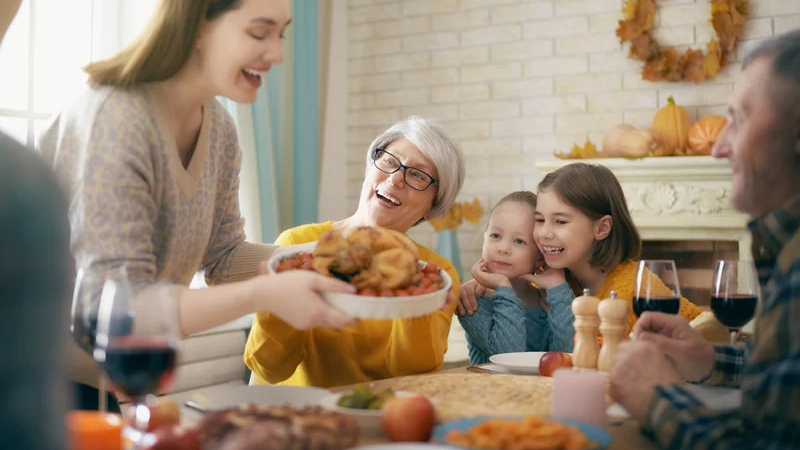
An invitation makes someone a guest; a role makes them part of the family again. Ask Mom to bring her stuffing, even if someone else does the shopping. Ask Dad to say the blessing, carve the turkey, or tell the story of the year the oven broke. Let grandparents teach the grandkids a family recipe or game. Seniors feel less lonely when you show that they are needed.
Make Gatherings Accessible
A holiday gathering is only meaningful if your parent can enjoy being there without feeling uncomfortable or overwhelmed. A little planning can make it easier for them to participate and feel included. Consider a few simple adjustments:
- Provide a sturdy chair with armrests rather than a low couch or folding chair.
- Seat them away from loud music and kitchen noise, especially if they wear hearing aids.
- Set aside a quieter room where they can take a break from noise and conversation.
- Arrange transportation both ways so they don’t have to worry about driving after dark or finding a ride home.
- Plan a shorter visit or arrive early before the house gets crowded and noisy.
- Serve foods that accommodate any dietary restrictions or chewing difficulties.
Plan for the Hard Moments
The first holiday after a loss, a wedding anniversary, or a birthday that lands in December needs its own plan. Talk ahead of time about how they’d like to handle it. Some people want to light a candle, set out a photo, or cook the late spouse’s favorite dish. Others want the day to feel different on purpose. Saying the person’s name out loud usually helps more than tiptoeing around it.
Connect Them with Local Community Options
Seniors in The Villages have more ways to connect than almost anywhere, but they often need a nudge to get started. Recreation centers, resident clubs, faith communities, and volunteer groups all hold holiday events. Offer to go to the first one with them; walking in alone is the hardest part.
For help finding local programs, Florida’s Elder Helpline at 1-800-96-ELDER (1-800-963-5337) can point families toward senior centers and services nearby.
What to Say (and Avoid Saying) to a Lonely Parent
The right words open the door without putting your parent on the defensive. Ask them specific, curious questions and let them talk. Most seniors won’t say “I’m lonely” outright, but they will answer a good question honestly.
Conversation openers that work:
- “What was your favorite holiday growing up? What made it special?”
- “This time of year makes me miss Dad. Does it hit you harder this time of year too?”
- “What’s one thing you’d love to do this season that we haven’t done in a while?”
- “Who have you talked to this week, besides me?”
- “Would it help if I set up a ride for you to the party on the 20th?”
Phrases to avoid:
- “You should get out more.” It sounds like blame, and it ignores the reasons they aren’t going out, like driving, energy, or grief.
- “At least you have the grandkids.” “At least” shrinks what they’re feeling instead of hearing it.
- “Cheer up, it’s Christmas!” It tells them their sadness is unwelcome, so they’ll just hide it better.
Special Situations
Not every senior experiences the holidays the same way, and some situations call for a little extra thought. A parent with dementia may feel more comfortable with familiar routines and quiet time than a large celebration. Families living out of state may need trusted local support to check in between visits, while a parent who resists accepting help may respond better to patience, reassurance, and choices than to pressure.
Seniors Living with Dementia
For a senior with dementia, a smaller, quieter holiday is usually a better holiday. Large gatherings bring noise, unfamiliar faces, and changes in routine, all of which can trigger confusion, agitation, or late-day restlessness. Keep meals and bedtime close to their normal schedule. Invite a few people at a time, plan the visit for their best time of day (often late morning), and have a quiet room ready. Familiar music and old photos tend to land better than new activities. What works best can also depend on the type of dementia your loved one has.
Our Alzheimer’s and dementia care caregivers can help keep routines steady through the busy season, including on the day of a family gathering.
Long-Distance Caregivers
If you can’t be here, the goal is to build a rhythm of contact and arrange someone local who can check in. Schedule video calls at the same time each week so they become something to look forward to. Send small care packages throughout December rather than one big box, such as a photo book, a favorite treat, a handwritten note from a grandchild. Then line up local support, whether that’s a neighbor, a friend from church, or a companion caregiver who visits in person and keeps you updated. Our home care services in The Villages include in-person visits and regular updates for families who live out of state.
When Your Parent Refuses Help
When a parent resists accepting help, the hesitation often comes from a desire to maintain their independence rather than a rejection of the support itself. Pushing too hard or turning the conversation into an argument can make them even more reluctant. Instead, try a gentler approach:
- Explain how accepting help would reassure you: For example, “It would give me peace of mind while I’m in Ohio.”
- Start with something small: Suggest having a caregiver provide a ride to one holiday gathering or help put up the tree.
- Offer choices rather than asking for a yes or no: Try asking, “Would Tuesday or Thursday afternoons work better for you?”
- Involve someone they trust: A longtime friend or their doctor may be able to introduce the idea of getting help in a way that feels more comfortable.
Don’t Forget January
For many seniors, the loneliest stretch isn’t Christmas Day. It’s the second week of January, after the visitors fly home, the decorations come down, and the phone stops ringing. The house goes from full to silent almost overnight, and there’s nothing left on the calendar to look forward to.
Plan for the drop-off the same way you plan for the holiday itself:
- Book your next visit or call before you leave, so the goodbye comes with a date attached
- Leave something behind, like a photo printed from the holiday or a note for them to find later
- Ask a sibling, cousin, or grandchild to take the first weekly call in January
- Help them sign up for a winter club, class, or volunteer shift that starts after New Year’s
- Watch for the same warning signs listed above through February, not just in December
If your parent had a caregiver visiting more often over the holidays, January is a good time to keep those visits going rather than scaling back. The routine and company matter just as much once the season is over.

How Companion Care Helps Seniors Through the Holidays
Companion care gives seniors regular, face-to-face interaction and a helping hand with everyday activities, making it easier to enjoy the holidays even when family members can’t be there in person. At Assisting Hands Home Care – The Villages, our companion care caregivers can help make the season more enjoyable by providing:
- Companionship: Sharing conversations, playing card games, watching holiday movies, or simply enjoying a cup of coffee together.
- Transportation to holiday events: Providing rides to church services, club parties, recreation center activities, and shopping trips through our senior transportation service.
- Holiday decorating: Bringing down storage boxes, putting up the tree, and safely taking decorations down when the season ends.
- Meal preparation: Preparing a favorite holiday dish together or making sure the refrigerator is stocked with fresh, nutritious meals.
- Relief for family caregivers: Our respite care services give spouses and adult children time to shop, recharge, or enjoy their own holiday plans without worrying about leaving a loved one alone.
For families who live out of state, having a local caregiver also means having someone nearby who can check in, notice changes, and share updates about how their loved one is doing. Care can be arranged for just a few hours a week or on a more frequent schedule, depending on your family’s needs.
Make the Holidays Brighter for a Senior You Love
Helping an older loved one feel less lonely during the holidays starts with paying attention, staying connected, and making sure they have opportunities to enjoy the season in ways that are meaningful to them. A little planning before December gets busy can make a big difference, but don’t let that support end when the holidays are over. Regular visits, phone calls, and help with everyday activities can give your parent something to look forward to throughout the year.
If you’re concerned about a loved one in The Villages, Lady Lake, Ocala, Oxford, Wildwood, Leesburg, or Belleview, Assisting Hands Home Care – The Villages is here to help. Our caregivers provide companionship and practical support that make it easier for seniors to stay connected and enjoy life at home. Call us at (352) 758-4512 or schedule a free in-home assessment. We’ll listen to your concerns, discuss your family’s needs, and help you explore a care plan that feels right, with no obligation.
Holiday Loneliness in Seniors FAQs
Why do seniors get depressed during the holidays?
Seniors often feel depressed during the holidays because the season highlights losses, such as a spouse who has died, a hosting role they no longer have, or family who live far away. Limited mobility, less daylight, and disrupted routines add to it. Sadness that lasts two weeks or more or affects eating, sleep, or self-care should be checked by a doctor.
How can I tell if my elderly parent is lonely?
You can usually tell by changes from their normal pattern: shorter phone calls, vague answers about their week, skipped traditions, no decorations, unopened mail, or changes in sleep, appetite, and grooming. Several of these together, especially new ones, are a strong signal to check in more closely.
How do I help a parent spending the holidays alone?
Schedule calls and video chats in advance, send small care packages through the season, and arrange for someone local to visit in person, whether a friend, neighbor, or companion caregiver. Help them sign up for a community event and book your next visit before the holidays end.
Is holiday loneliness in seniors dangerous?
Short-term holiday blues usually aren’t dangerous, but ongoing loneliness is a real health risk. The U.S. Surgeon General has linked a lack of social connection to higher risks of heart disease, dementia, depression, and early death. If a parent talks about not wanting to live, call or text 988 right away.
Can a companion caregiver help over the holidays?
Yes. A companion caregiver provides conversation, rides to holiday events, help decorating, and meal preparation, and gives family caregivers time to rest. For families who live out of state, a caregiver also provides regular in-person check-ins and updates.

