
Stroke Risks
Stroke Emergency Response in San Antonio: Time Saves Brain
When a stroke happens, every minute matters. In San Antonio, having a solid stroke emergency response plan could be the difference between full recovery and lasting damage. That’s why families — especially those caring for seniors — must know the signs, understand what to do, and consider how home care services support fast, coordinated action when seconds count.
This article outlines exactly how to respond to a stroke emergency and why preparation at home is so critical.
What to Do During a Stroke Emergency
The first thing to remember? Don’t wait. Don’t Google symptoms. Call 911 immediately. Then, start observing and documenting symptoms if it’s safe to do so.
Here’s a step-by-step breakdown of what San Antonio families should do:
-
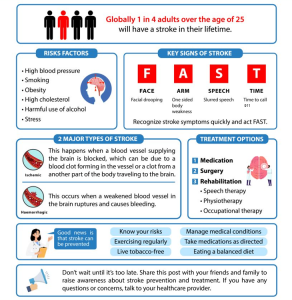
Use the FAST acronym to check symptoms:
-
Face drooping
-
Arm weakness
-
Speech difficulty
-
Time to call 911
-
-
Note the time symptoms began — this helps ER doctors determine what treatment options are available.
-
Stay calm and safe. Do not give food, drink, or medications. Keep the person comfortable.
-
Unlock doors and gather ID and medication lists if time permits. EMTs will need this info fast.
San Antonio Stroke Treatment Options at the Hospital
Once EMS arrives, your loved one will be taken to the nearest stroke-ready hospital, like University Hospital or Baptist Medical Center. These facilities are equipped to handle stroke cases immediately.
🧠 Imaging and Diagnosis
Doctors will run a CT or MRI scan to determine whether it’s an ischemic stroke (caused by a clot) or a hemorrhagic stroke (caused by bleeding). This guides the treatment plan.
💉 Clot-Busting Medications
If the stroke is ischemic and caught within a few hours, they may administer tPA, a powerful drug that dissolves clots. Timing is everything.
🧪 Surgical Interventions
For more serious strokes, surgical options may include clot removal or bleeding control procedures — all of which benefit from rapid diagnosis.
Why Home Care Improves Stroke Emergency Outcomes
What happens before the ambulance arrives matters just as much as what happens after. That’s where home care providers in San Antonio come in. Here’s how:
-
Early symptom recognition: Trained caregivers can spot signs that others might miss.
-
Rapid 911 coordination: Caregivers act fast without hesitation.
-
Medical records on-hand: Care teams often keep health profiles up-to-date, saving time at the ER.
-
Post-hospital recovery: Once discharged, caregivers help manage follow-up care at home — where risks of complications are high.
In short, the role of home care in San Antonio stroke emergencies goes beyond comfort — it’s a life-saving extension of your medical team.
After the Emergency: Transitioning to Recovery at Home
Once your loved one is stable, their recovery journey begins. This might include:
-
Physical and speech therapy
-
Assistance with mobility, eating, or bathing
-
Medication management
-
Emotional support to cope with the trauma
A trusted in-home care provider can help ease this transition — bringing expertise, familiarity, and daily attention to your loved one’s needs, right in their own home.
________________________________________________________________________________________________________________
Looking for Reliable In-Home Stroke Care in San Antonio?
If you’re a family caregiver looking for trusted in-home stroke care, don’t wait. Take action today and give yourself the break you deserve while ensuring your loved one receives exceptional, personalized care at home.
📞 Contact us today at (830) 505-5700 to learn how we can support your family with compassionate, reliable stroke care services. You don’t have to do this alone—we’ve got your back!
For a list of all our services, please review our brochure: Our Brochure
And be sure to see our new Newsletter: Our Newsletter
For additional information on Strokes: Stroke.org
> If you haven’t already seen our previous blog series about Stroke, please see if this is right for you: stroke-care-home-care-san-antonio/

