
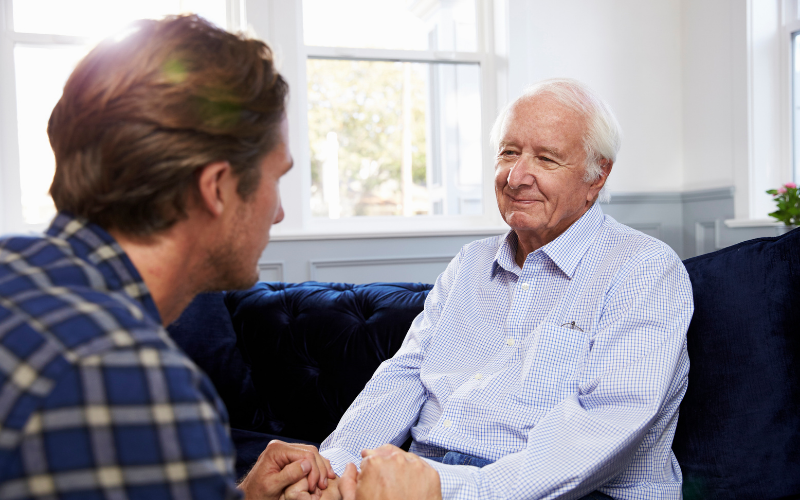
As parents age, families often find themselves navigating a difficult balance between independence and safety. One of the most common and emotionally charged questions is whether it’s safe or responsible to leave an elderly loved one home alone. While many seniors value their independence and may be capable of managing on their own for periods of time, aging can also bring physical, cognitive, and medical challenges that increase the risk of accidents or emergencies when no one is around.
From falls and medication mismanagement to confusion, isolation, and delayed emergency response, the potential risks can vary widely depending on an individual’s health and living situation. At the same time, there’s no one-size-fits-all answer, which makes it important for families to understand the warning signs, assess safety realistically, and explore supportive options that protect both independence and well-being.
Understanding the Real Risks of Aging at Home Alone
When families consider whether an older loved one can safely stay at home alone, it’s important to look beyond independence and focus on real-world safety. Many seniors are fully capable of managing parts of their daily routine, but aging naturally brings changes that can quietly increase risk over time. Independence may remain intact on the surface yet underlying physical and cognitive shifts can make emergencies harder to prevent, or harder to respond to when they happen.
One of the most significant factors is that aging can affect reaction time. Tasks that once felt automatic, like catching a fall, responding quickly to a stove left on, or recognizing the early signs of a medical issue, may take longer or be more difficult. Even a few seconds of delayed response can make a major difference in the outcome of an accident or health event.
Cognitive changes can also play a role, even in seniors who do not have a formal diagnosis of dementia. Subtle memory lapses, reduced judgment, or confusion, especially during stress or illness, can lead to missed medications, unsafe decisions, or difficulty following emergency steps. At the same time, physical stability often declines gradually, with balance issues, muscle weakness, or chronic pain increasing the likelihood of falls in everyday situations like walking to the bathroom or navigating stairs.
A common misconception is that if an older adult appears “fine” during a visit or can still manage basic conversations and routines, they are safe to be left alone for extended periods. In reality, many risks only become apparent when an emergency occurs, and no one is there to assist. Another assumption is that seniors will always ask for help when needed, but pride, confusion, or lack of awareness can prevent them from doing so in time.
The Most Common Dangers for Seniors Living Alone
While many older adults are able to live independently, certain risks become significantly more serious when no one else is present to notice a problem or respond quickly. These dangers often develop gradually and can go unnoticed until a situation becomes urgent.
- Risk of falls: A simple trip over a rug, slippery bathroom floor, or missed step on stairs can lead to injuries that make it impossible for a senior to get up or reach a phone. What makes falls especially dangerous is not just the injury itself, but the delayed ability to get help, especially if the person lives alone and cannot call for assistance right away.
- Medication errors: Many seniors take multiple prescriptions, and even small mistakes, such as taking the wrong dose, skipping a medication, or accidentally doubling up, can lead to serious health complications. Without someone nearby to help track medications, the risk of confusion increases over time.
- Medical emergencies: Events such as heart attacks, strokes, or sudden drops in blood sugar require immediate attention. In these situations, even a short delay in receiving help can significantly affect recovery outcomes. If the person is unable to call for help or recognize what is happening, the situation can quickly escalate.
- Wandering or confusion from cognitive decline: Individuals with conditions like dementia may become disoriented, leave the home unsafely, or be unable to find their way back. Even milder confusion can lead to unsafe decisions, such as leaving appliances on or opening the door to strangers.
- Household hazards: Kitchen accidents, unattended cooking, or electrical issues can quickly turn into fire risks. At the same time, seniors living alone are often more vulnerable to scams and fraud, particularly phone or online scams that target trust and isolation.
Taken together, these risks highlight why living alone requires more than just physical independence, it requires a strong safety network, reliable support systems, and regular oversight to help prevent emergencies before they happen.
Key Factors That Determine Whether It’s Safe

Deciding whether an older adult can safely remain home alone isn’t a simple yes-or-no question. It depends on a combination of health, environment, and support systems that all work together to either reduce or increase risk.
- Mobility and balance: Seniors who experience unsteadiness, use walkers or canes, or have a history of falls are at a much higher risk when alone. Even small movements such as getting out of bed, walking to the bathroom, or carrying items can become dangerous without assistance nearby.
- Cognitive health: Memory changes, confusion, or early signs of dementia can affect decision-making and awareness of danger. A senior may forget whether they’ve taken medication, leave appliances running, or become disoriented in familiar surroundings. Even mild cognitive decline can create safety concerns when no one is there to provide reminders or intervention.
- Chronic medical conditions and complex medication routines: Conditions such as diabetes, heart disease, or respiratory issues may require careful monitoring throughout the day. The more medications a person takes, and the more specific the timing or dosage, the greater the chance of mistakes that could lead to serious health complications.
- Physical environment of the home: Stairs without railings, poor lighting, slippery bathroom surfaces, and cluttered walkways can all increase the likelihood of accidents. Homes that are not adapted for aging in place often present hidden hazards that only become obvious after a fall or emergency occurs.
- Availability of nearby support or reliable emergency contacts: A strong safety net, whether it’s family members, neighbors, or professional caregivers, ensures that help is accessible when needed. Without that support, even minor incidents can quickly become serious situations.
Warning Signs Your Parent Should Not Be Left Alone
There are often clear warning signs that indicate when living alone may no longer be safe for an aging parent. While these changes can happen gradually, they tend to become more noticeable over time and should never be ignored.
- Frequent falls or near-falls: Even if no major injury has occurred yet, repeated stumbling or loss of balance suggests a growing risk that could quickly lead to a life-changing accident. A single fall when no one is home can result in hours, or even longer, before help arrives.
- Forgetting medications or meals: When a senior begins missing doses, taking incorrect amounts, or skipping meals entirely, it can quickly impact their health and stability. These patterns often signal declining memory, routine breakdown, or difficulty managing daily responsibilities.
- Increased confusion, disorientation, or noticeable memory lapses: This may include getting lost in familiar places, repeating questions, or struggling to follow simple instructions. These cognitive changes can make it difficult to respond appropriately during emergencies.
- Changes in personal care, such as poor hygiene or an inability to manage basic daily tasks: If a parent begins neglecting bathing, laundry, cleaning, or meal preparation, it may indicate that they are struggling with both physical and cognitive demands of independent living.
- Missed appointments or repeated safety-related incidents: Forgetting doctor visits, leaving appliances on, or experiencing multiple close calls can point to a pattern of declining safety awareness. When these issues begin to cluster, it’s often a sign that additional support is needed to prevent a more serious event.
Recognizing these warning signs early allows families to step in with support before a crisis occurs, helping protect both safety and dignity.
How Long Is “Safe” to Leave an Elderly Parent Alone?

There is no universal rule for how long it is “safe” to leave an elderly parent alone, because safety depends far more on the individual than on a set timeframe. What may be perfectly manageable for one senior for several hours could be risky for another even during a short absence.
For many older adults who are generally healthy, short-term time alone, such as running errands or being out of the house for a few hours, may be reasonable if they are mobile, cognitively alert, and have reliable emergency access. However, as time alone extends into half a day, a full day, or overnight periods, the level of risk naturally increases, especially if the person has medical conditions, mobility challenges, or memory concerns.
The key issue is that “safe duration” is not just about time, it’s about what could happen during that time without anyone there to intervene. Even a brief window can become dangerous if a fall, sudden illness, or confusion occurs. That’s why families are often encouraged to think less in terms of hours and more in terms of readiness. Can the person call for help? Can they respond appropriately in an emergency? Can they safely manage routine needs without support?
There are also certain situations that should never be left unattended, regardless of how independent a senior may seem. These include individuals recovering from a recent hospitalization or fall, those experiencing significant confusion or cognitive decline, or anyone with unstable medical conditions that could require urgent attention. Likewise, if a senior has recently shown signs of increased risk, such as repeated falls, medication errors, or episodes of disorientation, being alone for extended periods can become unsafe very quickly.
Ultimately, determining whether senior loved ones are safe alone requires an honest assessment of current health, recent changes in behavior, and the availability of backup support. In many cases, families find that even if short periods alone are manageable, additional check-ins or in-home support provide a much safer and more sustainable long-term solution.
Making the Home Safer for Independent Living
For families who want to support an aging parent staying in their home, improving safety often starts with making practical adjustments to the living environment. Even small changes can significantly reduce risk and help seniors maintain independence with greater confidence.
- Fall prevention: Installing grab bars in bathrooms, especially near toilets and inside showers, can provide critical stability in high-risk areas. Removing common trip hazards such as loose rugs, cluttered walkways, or electrical cords can also reduce the likelihood of falls. For homes with stairs, adding sturdy handrails on both sides and ensuring steps are well-marked and in good condition can make a meaningful difference.
- Medication management: Pill organizers, automated dispensers, and reminder systems can help reduce confusion and ensure medications are taken correctly and on time. These tools are especially helpful for seniors managing multiple prescriptions, where even small mistakes can have serious consequences.
- Emergency alert systems and wearable devices: Medical alert buttons or pendants allow seniors to call for help quickly after a fall or emergency, even if they cannot reach a phone. Many newer devices also include fall detection features, which can automatically notify emergency contacts if an incident occurs.
- Improving lighting and accessibility: Well-lit hallways, staircases, and entryways help prevent missteps, while motion-sensor lights can make nighttime navigation safer. Simple updates such as rearranging furniture for clearer pathways or ensuring frequently used items are within easy reach can also improve day-to-day safety.
- Smart home monitoring: Devices such as door sensors, motion detectors, and remote monitoring systems can help caregivers stay informed about activity patterns and detect unusual changes. When used appropriately and with the senior’s consent, these tools can provide reassurance without being overly intrusive.
How to Have a Conversation About Safety
Talking with an aging parent about safety at home can be one of the most delicate conversations a family has. It often brings up emotions tied to independence, dignity, and control, so the way the discussion is approached matters just as much as the message itself.
The most important starting point is respect and empathy. Rather than presenting concerns as problems to be fixed, it helps to frame them as shared worries coming from a place of care. A calm, supportive tone can make it easier for a parent to feel heard instead of judged or overwhelmed.
It’s also important to avoid framing the conversation in a way that feels like a loss of independence is being forced upon them. Many seniors fear that any discussion about safety will automatically lead to being “taken out of their home” or losing control over their daily life. A more effective approach is to focus on maintaining independence for as long as possible with the right support in place to make that achievable.
Shifting the focus from restriction to support can change the entire tone of the conversation. Instead of emphasizing what a parent can no longer do, it helps to highlight what could become easier and safer with a little extra help. For example, support might mean fewer worries about falls, help with medications, or simply having someone check in regularly to ensure everything is okay.
This is also where discussing home care can be introduced in a positive and practical way. Rather than presenting it as a major life change, home care can be framed as a flexible support option that adapts to the individual’s needs. Whether it’s a few hours a week of assistance, help with personal care, or more consistent daily support, home care services can provide an added layer of safety while still allowing seniors to remain in the comfort of their own home.
Most importantly, involving the parent in the decision-making process helps preserve their sense of control. Asking for their input, listening to their concerns, and exploring options together can lead to more cooperative solutions. When seniors feel included rather than directed, they are often more open to accepting support that enhances both their safety and quality of life.
Balancing Independence, Safety, and Peace of Mind
Deciding whether it’s safe to leave an elderly parent home alone is rarely a straightforward answer. It requires balancing respect for independence with a clear-eyed understanding of changing physical, cognitive, and environmental risks. While many seniors can remain at home safely with the right precautions, others may need additional support to reduce the likelihood of accidents, confusion, or medical emergencies.
The key is not waiting for a crisis to make a decision. Instead, families are encouraged to stay proactive by watching for warning signs, making necessary home adjustments, and having honest conversations early. In many cases, introducing some level of support can make a meaningful difference without taking away a senior’s independence.
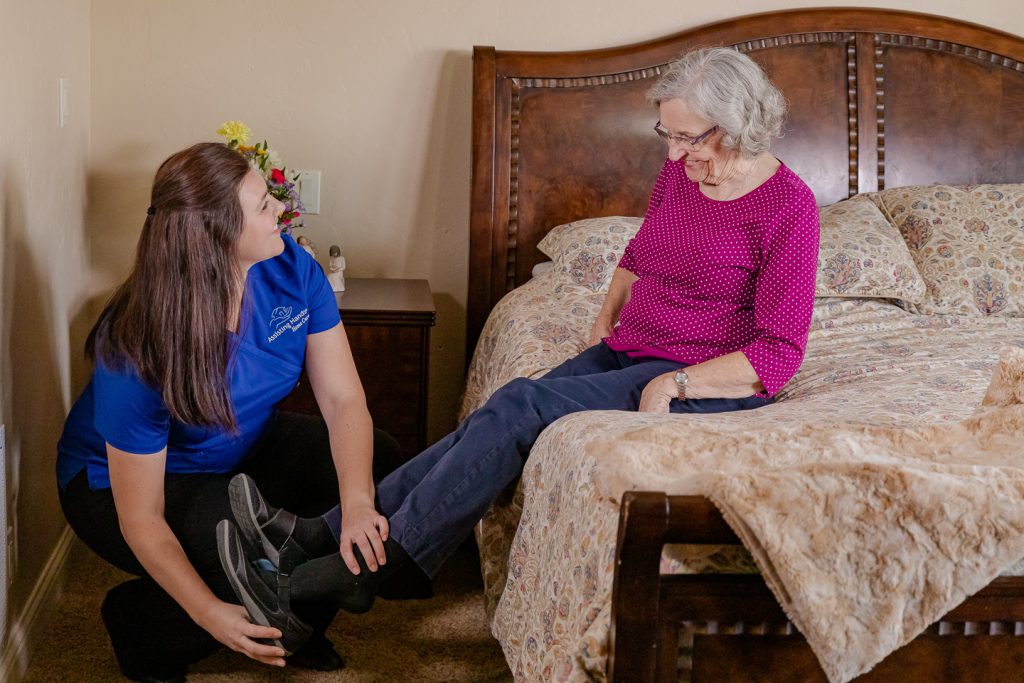
For families who are beginning to notice increased safety concerns, professional senior in-home care can provide reassurance and stability. Services like those offered by Assisting Hands Home Care can help seniors remain in the comfort of their own homes while receiving assistance with activities of daily living (ADLs), medication reminders, mobility support, and companionship. This type of care not only helps reduce risks but also gives family members peace of mind knowing their loved one is not alone during vulnerable moments.
If you’re starting to question whether your parents are truly safe living alone, it may be time to explore additional support options. Learning more about elderly care from Assisting Hands Home Care can be a helpful first step toward creating a safer, more supported living environment while still preserving the dignity and independence your loved one values most.
We are committed to providing compassionate home care to the senior community in Lombard, Elmhurst, Villa Park, Medinah, Itasca, Bensenville, Glendale Heights, Wood Dale, Addison, IL and the surrounding areas in DuPage county. Call us at (630) 526-6522 to schedule a free consultation today.

