
When anything pains us, especially for an extended period of time and on a consistent basis, it complicates and impedes our everyday functioning, even the most mundane and easy actions, and takes away our good mood and happiness with life. A pain is like an alarm, signaling that something is wrong with our body and that we need to take action to restore equilibrium. Chronic pain, on the other hand, is a very challenging scenario since it does not go away despite medicine or suitable therapy, and it can linger for a very long period – even over 4 months and much more. What can we do to combat it? What is chronic pain therapy? Let’s have a look!
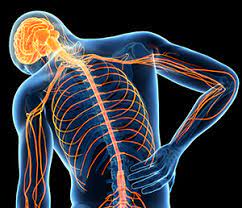
What are the signs and symptoms of chronic pain?
Chronic pain can be ongoing or intermittent. It is believed that at least 10% of society suffers from this sort of discomfort, which primarily affects the elderly. Such pain is extremely uncomfortable, disrupts the rhythm of sleep and wakefulness, causes loss of appetite, a sensation of perpetual exhaustion and irritation, and can occasionally lead to depression, hurting one’s well-being not only physically, but also psychologically and emotionally. It can also make it difficult to concentrate, detach from numerous hobbies, and remove all joy from life. The discomfort might be there practically all of the time or emerge and leave – with just a little break for breathing.
Description of persistent pain
Chronic pain is described as pain of varied intensity that is persistent and agonizing and lasts for at least 12 weeks. There are three types of chronic pain: neuropathic pain (related with nerve damage), nociceptive pain (pain that lingers long after the injuries, wounds, and discomfort have been physically healed), and idiopathic pain (this has no real causes and an unclear, often unknown background). Chronic pain is a tough scenario for both the patient and the doctor since it is not always simple to determine the reason and select the suitable therapy that will provide comfort while also assisting the body in rebalancing and eliminating the pain.
Chronic Pain: Causes, Risk Factors, and Disorders
Chronic pain occurs where and why? It can be caused by a variety of conditions, including joint inflammation and degeneration, malignancy, sciatica, past traumas and procedures. Yet, chronic pain can emerge on its own, with no relation to past health issues. Individuals over the age of 60, women, those who are overweight, smokers, persons with chronic conditions, cardiovascular disease, and diabetes are all at risk.
When should you see a doctor, and what can you do to aid and alleviate yourself?
Can you go on living with chronic pain? Yes, for a while, but because it has a substantial impact on everyday functioning and life happiness, it is important to seek professional help as soon as possible and begin treatment in conjunction with the doctor. Chronic pain treatment may include a number of drugs as well as rehabilitative activities. Is it feasible to reduce some of the discomfort on your own? Meditation, yoga and other gentle exercises, deep and thoughtful breathing, soothing music, massage, and alternative medical procedures such as acupuncture and cryotherapy can all be very beneficial in this situation.

