
The Cost of Care for Aging Adults: A Comprehensive Guide
Aging is a normal process that everyone goes through, but it also comes with it new obstacles and costs. The cost of care is one of the most significant costs that aging persons confront. The expense of in-home care, assisted living, or nursing facility care can be enormous. In this article, we’ll look at the many types of care offered and how much you can anticipate to pay for each.
Assisted Living
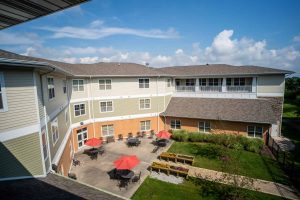 Assisted living is a sort of long-term care that offers more assistance to elderly seniors. This form of care usually involves assistance with everyday tasks as well as access to on-site health services. Assisted living facilities differ in size from modest apartments to enormous communities, with prices varying depending on the degree of care required and the location. You should anticipate paying $5,000-$7,000 per month on average for assisted living.
Nursing Home Care
 Nursing home care is the most complete sort of long-term care for persons over the age of 65. This form of care provides 24-hour assistance to persons who require assistance with all elements of daily life, such as washing, clothing, and medical care. Nursing home care is usually more expensive than other types of long-term care, with an average monthly cost of $8,000-$10,000.
In-Home Care
 In-home care is a common choice for elderly people who wish to remain in their own homes but require support with everyday routines. This form of care may involve assistance with bathing, clothing, and food preparation. A professional caregiver or a family member can offer in-home care, and the cost varies depending on the type of care. In-home care costs between $28 and $37 per hour on average in Plano, Frisco, Little Elm, Prosper, Allen and McKinney.
Factors That Affect the Cost of Care
The cost of aging adult care can vary based on a number of factors, including:
- Location: The cost of care in cities and metropolitan regions will be greater than in rural areas.
- Amount of care: The cost is affected by the level of care required, with more thorough care being more expensive.
- The type of facility you select, such as an assisted living community or a nursing home, will also have an influence on the cost of care.
Considering the Cost of Care

Care cost planning is an important component of preparing for the future. Here are some actions you may take to ensure you have enough resources to handle the expense of care:
Begin saving early: The sooner you begin saving, the more time you will have to amass wealth and plan for the future.
Consider purchasing long-term care insurance: Long-term care insurance can assist in covering the expense of care, but it is critical to weigh the costs and advantages before acquiring a policy.
Speak with a financial advisor: A financial adviser may assist you in assessing your financial condition and advising you on how to budget for the expense of care.
Join a Home Care Support Group for Loved Ones: Find the support you need by joining a home care support group for loved ones. Connect with others who understand what you’re going through and what most effective option they found.
Conclusion
The expense of caring for an elderly parent can be substantial, but with good planning and preparation, you can guarantee that you have the resources necessary to meet the cost. It is critical to assess your alternatives and plan for the future, whether you select in-home care, assisted living, or nursing facility care.

