
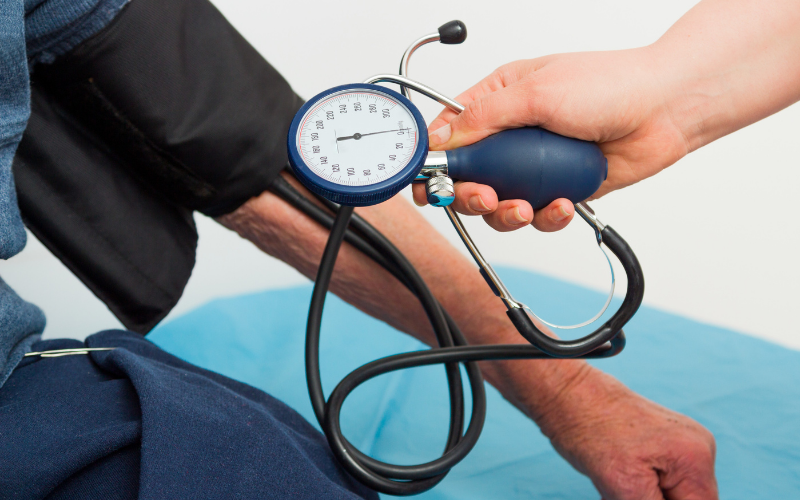
Managing high blood pressure is especially important for older adults, as it significantly impacts heart health, cognitive function, and overall quality of life. Fortunately, many practical strategies can be used at home to help keep blood pressure under control and reduce the risk of complications. In this blog, we’ll share simple, effective tips that seniors and their caregivers can use every day to support healthier living, improve well-being, and make managing hypertension more manageable from the comfort of home.
What is Hypertension?
Hypertension, commonly known as high blood pressure, occurs when the force of blood pushing against the walls of the arteries remains consistently too high. Over time, this extra pressure puts added strain on the heart, blood vessels, and organs, which can lead to serious health issues such as heart disease, stroke, kidney problems, and vision loss.
Blood pressure is measured using two numbers:
- Systolic pressure (the top number) measures the force when the heart contracts.
- Diastolic pressure (the bottom number) measures the force when the heart relaxes between beats.
A normal reading is typically around 120/80 mmHg. Hypertension is generally diagnosed when readings consistently reach 130/80 mmHg or higher. Because high blood pressure often has no obvious symptoms, it’s sometimes called the “silent killer.” That’s why regular monitoring and proactive management are especially important for older adults.
What are the Risk Factors of Hypertension?
Several factors can increase the likelihood of developing high blood pressure, especially in older adults. While some risk factors are beyond our control, others can be managed through lifestyle changes and healthy habits. Understanding these risks is the first step toward prevention and better management.
Common risk factors include:
- Age: Blood vessels naturally become less flexible with age, making it harder for them to manage pressure.
- Family History: A genetic predisposition can increase the chance of developing hypertension.
- Unhealthy Diet: Diets high in salt, processed foods, and saturated fats can contribute to high blood pressure.
- Lack of Physical Activity: Sedentary lifestyles weaken the heart and circulation, raising blood pressure levels.
- Obesity: Excess weight forces the heart to work harder, putting added strain on arteries.
- Chronic Conditions: Health issues like diabetes, kidney disease, or high cholesterol can increase hypertension risk.
- Smoking and Alcohol Use: Both can damage blood vessels and elevate blood pressure over time.
- Stress: Ongoing stress can contribute to temporary spikes in blood pressure and unhealthy coping habits.
Recognizing these risk factors can help older adults and their caregivers make informed choices that reduce the likelihood of complications.
The Connection Between Hypertension, Heart Disease, and Stroke
High blood pressure doesn’t just affect the numbers on a monitor, it has a direct impact on long-term heart and brain health. When blood flows through the arteries with too much force, it gradually damages the inner lining of the vessels. This damage makes it easier for fatty deposits, or plaque, to build up, narrowing the arteries and restricting blood flow. Over time, this process significantly raises the risk of serious cardiovascular events.
- Heart Disease: Hypertension forces the heart to pump harder than normal, which can thicken the heart muscle and weaken its efficiency. This strain increases the risk of coronary artery disease, heart failure, and irregular heart rhythms.
- Stroke: High blood pressure is the leading cause of stroke. The constant pressure can either cause arteries in the brain to burst (hemorrhagic stroke) or contribute to blockages that cut off blood flow to brain tissue (ischemic stroke). Both can result in life-altering complications or even death.
Because hypertension often shows no early symptoms, many people don’t realize the damage is occurring until it leads to a major health crisis. That’s why proactive at-home management and regular checkups are essential for older adults looking to protect their heart and brain health.
10 Tips to Help Manage Hypertension

Managing high blood pressure at home doesn’t have to feel overwhelming. By making small but consistent lifestyle changes, older adults can significantly reduce their risk of complications and improve their overall health. Here are some practical, doctor-recommended tips to help keep hypertension under control:
1. Watch Your Weight
Excess body weight puts extra pressure on your heart and arteries, making it harder to maintain healthy blood pressure. Even a modest weight loss, just 5–10% of body weight, can significantly reduce blood pressure readings and lower the risk of heart disease and stroke. Tracking weight regularly and combining diet with exercise makes it easier to maintain a healthy range.
2. Exercise Regularly
Physical activity strengthens the heart, improves circulation, and helps blood vessels stay flexible. Aim for at least 150 minutes of moderate-intensity aerobic activity per week, such as brisk walking, swimming, or cycling. Adding strength training two days a week can also help control weight and improve overall cardiovascular health.
3. Eat a Healthy Diet
A balanced, nutrient-rich diet supports heart and vascular health. Focus on plenty of fruits, vegetables, whole grains, lean proteins, and low-fat dairy. Diets like DASH (Dietary Approaches to Stop Hypertension) are specifically designed to lower blood pressure by emphasizing potassium, calcium, and fiber while limiting saturated fats and processed foods.
4. Reduce Salt and Sodium Consumption
High sodium intake can cause the body to retain water, raising blood pressure. Limiting processed foods, reading nutrition labels, and using herbs or spices instead of salt can make a big difference. The American Heart Association recommends consuming no more than 1,500–2,300 mg of sodium per day for adults.
5. Limit Alcohol
While small amounts of alcohol may have some cardiovascular benefits, too much can raise blood pressure and interfere with medications. Stick to moderate drinking, up to one drink per day for women and two for men, or avoid alcohol entirely if recommended by your healthcare provider.
6. Quit Smoking
Smoking damages the lining of blood vessels, accelerates plaque buildup, and raises blood pressure temporarily with every cigarette. Quitting improves circulation, reduces the risk of heart disease and stroke, and has almost immediate health benefits, including better lung function and energy.
7. Get Enough Sleep
Sleep is critical for maintaining healthy blood pressure. Poor sleep quality or insufficient sleep (less than 7 hours per night) can increase stress hormones and elevate blood pressure. Establish a regular sleep schedule, create a restful environment, and limit caffeine or screen time before bed to improve sleep quality.
8. Manage Stress
Chronic stress can lead to temporary spikes in blood pressure and trigger unhealthy coping behaviors like overeating, smoking, or drinking. Incorporating relaxation techniques such as deep breathing exercises, meditation, yoga, or gentle stretching can help lower stress and support long-term heart health.
9. Monitor Your Blood Pressure
Regular home monitoring helps track your blood pressure trends and ensures that lifestyle changes or medications are working effectively. Keep a log of readings, ideally at the same time each day, and share this information with your healthcare provider to make informed decisions.
10. Monitor Your Cholesterol and Blood Sugar Levels
High cholesterol and diabetes can worsen hypertension by damaging arteries and increasing plaque buildup. Regular screenings and proactive management through diet, exercise, and medications if prescribed help protect the heart, kidneys, and other vital organs while reducing the risk of stroke and heart attack.
How Assisting Hands Home Care Helps Seniors Manage Hypertension?
Our home caregivers at Assisting Hands play a vital role in supporting seniors with high blood pressure. By providing consistent guidance, encouragement, and practical assistance, our caregivers can help older adults adopt healthy habits and stay on track with their hypertension management plan. Here are some ways we can help:
- Assist with Medication Management: Caregivers can help ensure that medications are taken on time and in the correct dosage, and we can monitor for side effects or changes in blood pressure readings.
- Encourage a Healthy Diet: Preparing heart-healthy meals that are low in sodium, rich in fruits and vegetables, and balanced in nutrients can make it easier for seniors to stick to a hypertension-friendly diet.
- Promote Physical Activity: Caregivers can support regular exercise routines, whether it’s a daily walk, light stretching, or other safe activities approved by a healthcare provider.
- Monitor Blood Pressure at Home: Caregivers can help track readings and keep a log to share with healthcare professionals, making it easier to spot trends or potential issues early.
- Support Lifestyle Changes: From quitting smoking and limiting alcohol to helping seniors manage stress and get enough sleep, caregivers can provide reminders, guidance, and moral support.
- Offer Emotional Support: Managing a chronic condition like hypertension can feel overwhelming. Caregivers can help seniors stay motivated, reduce stress, and maintain a positive outlook.
By staying actively involved, home caregivers can make a significant difference in helping seniors control blood pressure, improve overall health, and maintain independence.
Senior Home Care from Assisting Hands
Managing hypertension is a crucial part of maintaining heart, brain, and overall health for older adults. With consistent lifestyle habits, regular monitoring, and proactive support, seniors can effectively keep their blood pressure under control and reduce the risk of serious complications like heart disease and stroke.
Home caregivers play an essential role in this journey, providing practical assistance, encouragement, and guidance to ensure healthy habits are maintained. Whether it’s helping with medication management, preparing nutritious meals, supporting exercise routines, or simply offering emotional support, caregivers help seniors stay on track and live healthier, more independent lives.
If you or a loved one could benefit from extra support at home, Assisting Hands Home Care is here to help with our senior home care services. Our trained caregivers provide personalized care and practical assistance to help manage hypertension and promote overall wellness, allowing seniors to thrive safely and comfortably in their own homes.
You can call us at (214) 609-1340 for more about our senior home care services in Frisco, Plano, Allen, Little Elm, Prosper, TX, and the surrounding areas.
Tags:
Senior Care

