
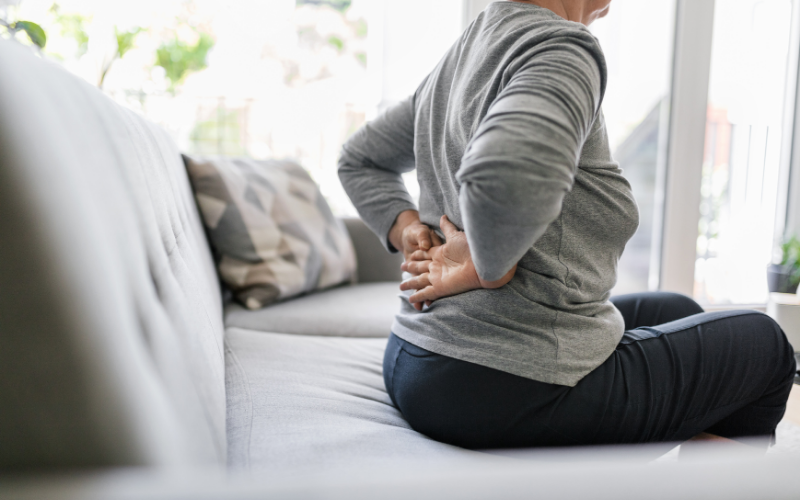
Some health conditions improve with time, but scoliosis is not one of them. As the body ages, the spine, muscles, and joints go through natural changes that can make scoliosis more noticeable and sometimes more difficult to manage.
If you or a loved one has scoliosis, you may be wondering what happens as you get older, whether the condition will get worse, and what you can do to stay active and independent. This guide walks you through everything you need to know, from symptoms and diagnosis to prevention strategies and treatment options that support long term comfort and mobility.
Does Scoliosis Get Worse with Age?
Yes, scoliosis can worsen with age, especially if it was present earlier in life or develops due to spinal degeneration. As we age, the discs in the spine lose hydration and flexibility, bones become weaker, and muscles that support posture begin to decline. These changes can increase spinal curvature and lead to pain, stiffness, and mobility issues.
However, many adults are able to manage scoliosis effectively with the right approach. Staying active, maintaining strength, and getting proper support can help slow progression and improve overall comfort and mobility over time.
What Is Scoliosis and Why Does It Matter as You Get Older
Scoliosis is a condition where the spine curves sideways instead of maintaining a straight, natural alignment. This curvature can form a C shape or an S shape and may affect posture, balance, and overall mobility.
While scoliosis is often associated with children and teenagers, many adults either continue living with a condition diagnosed earlier in life or develop it later due to age-related changes in the spine. Over time, natural wear and tear on the body can cause the spine to shift, leading to what is commonly referred to as adult onset or degenerative scoliosis.
As people get older, concerns about scoliosis tend to shift. Instead of focusing on correcting the curve, the priority becomes managing symptoms, maintaining mobility, and preserving independence. Factors such as pain, balance, posture, and daily function become more important than the degree of curvature alone.
For many adults, scoliosis is not just about the spine itself. It is about how the condition affects everyday life, including walking, standing for extended periods, and completing routine tasks safely and comfortably.
Types of Scoliosis You Should Know About
Understanding the type of scoliosis helps determine how it may affect you over time.
Idiopathic Scoliosis
This is the most common type and often begins during adolescence. The exact cause is unknown, but genetics may play a role. Many adults with scoliosis today fall into this category.
Congenital Scoliosis
This type is present at birth and occurs when the spine does not form properly during development. It is less common but can lead to more complex spinal issues over time.
Neuromuscular Scoliosis
This form develops due to conditions that affect the muscles and nerves, such as cerebral palsy or muscular dystrophy. It often progresses more quickly and may require ongoing care.
How Scoliosis Affects the Body Over Time
As we age, the body naturally undergoes changes that can influence how scoliosis is experienced. Bone density tends to decrease, muscle strength gradually declines, and the discs in the spine can lose their ability to absorb shock.
These changes can place additional strain on the spine and surrounding structures. Over time, this may lead to discomfort, reduced flexibility, and changes in posture.
- Many adults begin to notice:
- Ongoing back pain or stiffness
- Uneven alignment in the shoulders or hips
- Fatigue after standing or walking
- Changes in balance or coordination
- A gradual loss of height
In some cases, pressure on nerves may lead to sensations such as tingling or discomfort in the legs. The impact of scoliosis often becomes more noticeable during daily activities, especially those that involve standing, walking, or bending.
How Scoliosis Is Diagnosed in Adults
Scoliosis is usually identified through a physical examination. A healthcare provider may assess posture, alignment, and how the spine moves. If further evaluation is needed, imaging such as X rays or MRI scans can provide a clearer picture of the spinal curve.
The degree of curvature helps determine how the condition is classified and managed. Some cases remain mild and require minimal intervention, while others may need ongoing care to manage symptoms.
The severity of scoliosis is determined by the degree of the spinal curve:
- No scoliosis: Curvature less than 10 degrees
- Mild scoliosis: Curvature is between 10 and 24 degrees
- Moderate scoliosis: Curvature is between 25 and 39 degrees
- Severe scoliosis: Curvature is greater than 40 degrees
Supporting Spinal Health as You Age
While scoliosis cannot always be prevented or reversed, there are many practical ways to support your spine and reduce its impact on daily life. The goal is not perfection, but consistency in habits that protect strength, balance, and mobility over time.
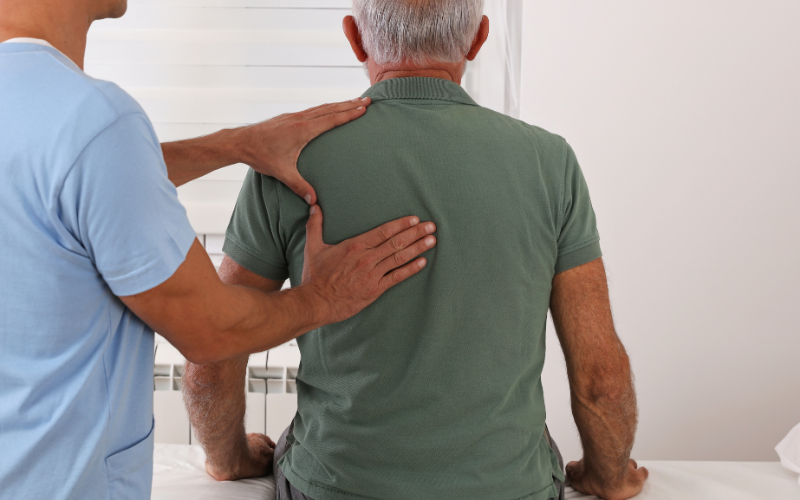
- Maintaining muscle strength is one of the most important factors. The muscles surrounding the spine act as a support system, helping to stabilize posture and reduce strain on the joints. When these muscles weaken, the spine has less support, which can increase discomfort and fatigue.
- Flexibility is equally important. Gentle stretching and regular movement help keep the body from becoming stiff, especially for individuals who spend long periods sitting or resting. Even small amounts of daily movement can help improve circulation and reduce tension in the back.
- Nutrition also plays a role in spinal health. Strong bones rely on adequate calcium and vitamin D, while maintaining a healthy weight reduces excess pressure on the spine and joints. Hydration is often overlooked, but it supports the health of spinal discs, which rely on fluid to maintain cushioning.
- Posture is another key factor, especially during everyday activities like sitting at a desk, driving, or using a phone. Over time, poor posture can increase strain on the spine and make scoliosis symptoms more noticeable.
- Activities such as walking, swimming, and light stretching are often recommended because they promote movement without placing excessive stress on the body. These types of activities can help improve endurance, balance, and overall comfort.
Treatment Options for Adults with Scoliosis
For most adults, scoliosis is managed through non surgical treatments that focus on reducing discomfort and improving function rather than correcting the curve itself.
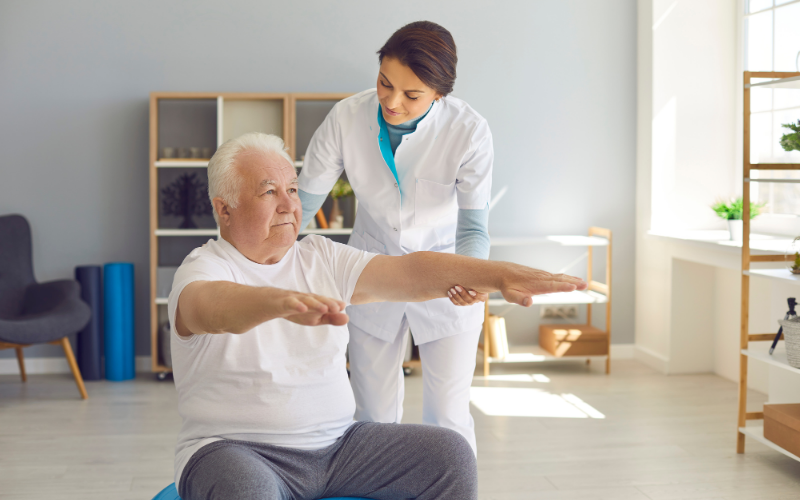
A common starting point is physical therapy. A trained therapist can guide exercises that strengthen the core and back muscles, improve flexibility, and support better posture. These programs are often tailored to the individual, taking into account the severity of the curve and any related symptoms.
Pain management may also be part of the treatment plan. This can include over the counter medications, heat therapy, or other techniques that help reduce inflammation and muscle tension. The goal is to improve comfort so that individuals can stay active and engaged in daily life.
In some cases, supportive devices such as back braces may be recommended. While braces do not correct scoliosis in adults, they can provide additional stability and help reduce strain during certain activities.
Lifestyle adjustments often play a significant role as well. This may include modifying daily routines, incorporating regular movement breaks, or using supportive seating to reduce stress on the spine.
These combined approaches are designed to help individuals maintain independence, stay mobile, and manage symptoms effectively over time.
When Surgery May Be Considered
Surgery is typically reserved for more advanced or complex cases of scoliosis. This may include situations where the spinal curve continues to progress, pain becomes severe, or nerve compression begins to affect mobility and daily function.
One of the most common procedures is spinal fusion, which stabilizes the spine by joining two or more vertebrae together. This helps prevent further curvature and can relieve pressure on nerves that may be causing pain or weakness.
Surgery is a significant decision and is usually considered only after conservative treatments have been explored. For many adults, non surgical approaches provide enough relief to avoid the need for surgery altogether.
Living Well with Scoliosis
Living with scoliosis often becomes a matter of adapting rather than limiting your lifestyle. Many adults continue to work, stay active, and enjoy daily routines with only minor adjustments.
The focus shifts toward maintaining strength, managing discomfort, and recognizing when the body needs rest or support. Paying attention to how your body responds to activity can help prevent overexertion and reduce the risk of flare ups.
Consistency is key. Regular movement, proper support, and small daily habits can have a meaningful impact on long term comfort and mobility. Over time, these efforts can help individuals maintain independence and continue doing the things they enjoy.
How In Home Care Can Help Seniors Who Have Scoliosis
As scoliosis progresses, certain daily activities can become more physically demanding. Tasks such as getting dressed, preparing meals, or moving safely around the home may require additional effort.
In home care provides support that helps reduce strain and improve safety. Caregivers can assist with personal care, mobility, and routine tasks, allowing seniors to conserve energy and remain independent.
Support with mobility is especially important, as scoliosis can affect balance and increase the risk of falls. Having assistance available can help prevent injuries and provide reassurance for both individuals and their families.
Because falls are a real concern for seniors with mobility challenges, families may also benefit from understanding what steps to take after an incident. You can learn more in our guide on what to do after a senior loved one falls, which outlines how to respond quickly and safely.
In addition to physical support, caregivers provide companionship, which helps improve overall well being and daily quality of life.
Need Support at Home?
If scoliosis is making everyday activities more difficult, having the right support system in place can make a meaningful difference.

Assisting Hands Home Care provides personalized, compassionate care designed to help seniors remain safe, comfortable, and independent in their own homes. Whether it is assistance with daily routines, mobility support, or simply having someone there to help, our home caregivers are here to support you every step of the way.
Call us today at (214) 609 1340 to learn more about how we can help you or your loved one live more comfortably at home. We provide home help in Little Elm, Carrollton, Allen, Prosper and Frisco Texas.
FAQs
What Not to Do with Adult Scoliosis?
Adults with scoliosis should avoid inactivity, poor posture, improper lifting, and ignoring pain. Staying active, maintaining proper alignment, and getting appropriate care are key to managing symptoms and preventing progression.
What Organ Is Most Affected by Scoliosis?
The organ most commonly affected by scoliosis is the lungs.
When the spine curves significantly, especially in the upper or middle back, it can reduce the space inside the chest. This may limit how fully the lungs can expand, making breathing less efficient. In more severe cases, this can lead to shortness of breath, reduced stamina, or difficulty with physical activity.
The heart can also be affected in advanced cases, particularly when the curvature is severe enough to impact the shape of the rib cage. This may place pressure on the heart and affect how efficiently it pumps blood, although this is less common.
What Age Does Scoliosis Usually Stop Progressing
Scoliosis typically slows or stops progressing once a person reaches skeletal maturity, which is usually around ages 16 to 18 when bone growth is complete.
However, this depends on the type and severity of the curve:
- Mild curves often remain stable after growth stops
- Moderate to severe curves may continue to progress slowly over time
- Adult or degenerative scoliosis can develop or worsen later in life due to aging of the spine
In adults, progression is usually gradual and may be influenced by factors such as disc degeneration, osteoporosis, muscle weakness, and overall spinal health.
What Is the Best Sleeping Position for Seniors with Scoliosis
The best sleeping position is one that keeps the spine aligned and reduces pressure.
Best options:
- Sleep on your side with a pillow between your knees
- Sleep on your back with a pillow under your knees
What to avoid:
- Sleeping on your stomach
- Using unsupportive pillows or mattresses
What Does Someone with Scoliosis Look Like Walking
Someone with scoliosis may walk normally, especially in mild cases. In more noticeable cases, there may be subtle changes in posture and movement.
Common signs while walking:
- Slight leaning to one side
- Uneven shoulders or hips
- One arm swinging differently than the other
- A mild limp or uneven stride
- Reduced balance or stability
Not everyone with scoliosis shows visible differences, and symptoms can vary depending on the severity of the curve.

