
Call us today! 657-373-2500
main-ah-logo-horz-w_gradbox
 
  • About Us
    • Meet the Team Members
    • Benefits of Home Care
    • Why Use a Licensed Agency?
    • AHYL Blog
    • FAQs
  • Our Caregivers
    • Caregiver Training Portal
    • Apply to be a Caregiver
  • Veterans
  • Services
    • Fall Prevention
    • Personal Assistance
    • Respite Care
    • Special Needs Care
    • Post-Surgery Care
    • Meal Preparation
    • Grocery Shopping & Errands
    • Light Housekeeping
    • Companionship
    • Alzheimer’s & Dementia Care
    • Maternity Care
    • Full List of Services
  • Español
  • TIẾNG VIỆT
  • Contact Us!

Local Blog

Home ADLs Veteran In-Home Care

Veteran In-Home Care

March 7, 2025ADLs, Alzheimer's & Dementia, Bathing, care arrangement, care coordination, Caregiver, caregiving, Continence, Dressing, Eating, Elder Care, Exercise & Fitness, Fall Prevention, Healthy Aging, Heart Disease Prevention, home care, Home Care Aide, home care services, Hope, In Home Care, kidney care, Long Term Care Insurance, non-medical care, Placentia Veterans Village, Safety, Senior Care, senior living facility, socialization, Stroke Care, Summer, Thanksgiving, Transferring, VA Benefits, VA Long Beach, Veteran Care, Veterans, vets, well-being, wellnessskoh

caregiver with veteranVeteran in-home care refers to the range of services and assistance provided to military veterans who need help with daily activities due to aging, illness, or disability.
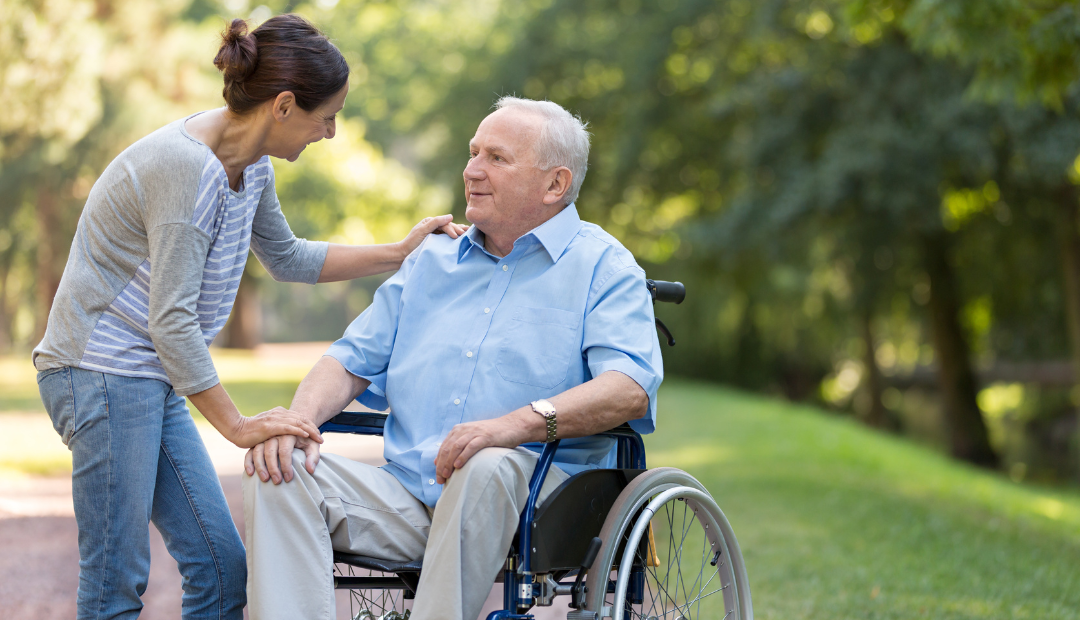

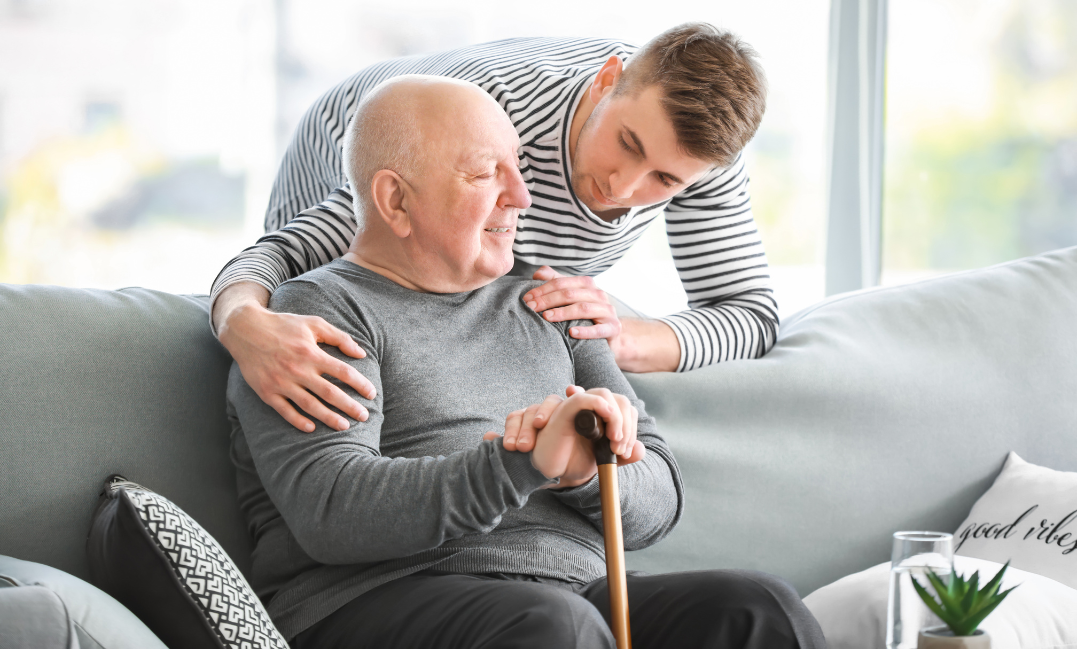
These services are often designed to allow veterans to remain in their own homes, rather than being placed in long-term care facilities, while still receiving the necessary support to live independently or comfortably.

The services can include personal care, medical assistance, and home support.

Here’s an overview of what veteran in-home care typically includes:

Types of In-Home Care for Veterans:

  1. Personal Care Services:
    • Assistance with Activities of Daily Living (ADLs): This can include help with bathing, dressing, grooming, and eating.
    • Mobility Assistance: Helping the veteran move around the house, including transferring from bed to chair or assisting with walking.
    • Companionship: Providing companionship and emotional support to combat loneliness and isolation.
  2. Health and Medical Care:
    • Nursing Services: Registered nurses (RNs) can provide services like wound care, medication management, or overseeing health conditions.
    • Physical and Occupational Therapy: Many veterans require rehabilitation services to maintain or improve their ability to function independently.
    • Medical Equipment and Supplies: In-home care might also involve using medical equipment like oxygen machines, wheelchairs, or other assistive devices.
  3. Homemaker Services:
    • Housekeeping: Light housekeeping such as cleaning, laundry, and meal preparation.
    • Meal Delivery: Some programs may offer meal services, or caregivers may assist with preparing nutritious meals.
    • Errands and Transportation: Veterans may need help with grocery shopping, attending appointments, or running other essential errands.

caring for veterans

Veteran-Specific In-Home Care Programs:

Several programs and benefits can help veterans access in-home care, including:

  1. VA Health Care Benefits:
    • Veterans enrolled in the VA health care system may qualify for home and community-based services (HCBS), which provide in-home care, including personal care assistance, nursing care, and respite care for caregivers.
    • VA Home and Community-Based Services (HCBS): The VA offers several options, including home health care and skilled nursing visits. These are typically provided through local VA medical centers or community-based outpatient clinics (CBOCs).
  2. Veterans-Directed Care Program:
    • This program offers veterans greater control over their care by allowing them to hire their own caregivers or purchase necessary home care services with a personalized budget. This gives veterans the flexibility to choose the level and type of care they want.
  3. Aid and Attendance Benefit:
    • Veterans who qualify for a VA pension may be eligible for an Aid and Attendance benefit, which helps cover the costs of in-home care. This benefit can be used for medical, personal care, or homemaker services, depending on the veteran’s needs.
  4. Veterans Pension Program:
    • Veterans who served during wartime and meet specific income and asset thresholds may be eligible for a pension. This can help pay for in-home care, either through the veteran’s own personal resources or through assistance from the VA.
  5. State Veterans Programs:
    • Some states have their own programs to assist veterans with home care services. These may be separate from or in addition to federal benefits, and eligibility criteria and services vary by state.

veteran care

How to Access Veteran In-Home Care:

  • Contact the VA: Veterans should start by contacting their local VA Medical Center or visiting the VA website to learn about eligibility and available services.
  • Veterans Service Organizations (VSOs): Organizations like the American Legion, Veterans of Foreign Wars (VFW), and Disabled American Veterans (DAV) can offer guidance and help veterans navigate the application process.
  • Private Home Care Agencies: If VA services don’t cover all the veteran’s needs, private agencies may offer non-medical in-home care or additional services.
  • State and Local Resources: Depending on where the veteran lives, there may be state or local programs that offer additional in-home care support.

in home care for veterans

Eligibility:

Eligibility for VA in-home care typically depends on factors like:

  • Veteran’s Service Record: Whether the veteran served during wartime or is classified as disabled due to service-related injuries.
  • Medical Need: Veterans must demonstrate a need for assistance with daily living activities or other medical requirements.
  • Income and Financial Status: Certain programs, like the Aid and Attendance Benefit, have income and asset limits.

If you’re a veteran or family member looking into in-home care, it’s a good idea to check all available resources and benefits, both federal and local, to ensure the veteran receives the best care possible.

Tags: Activities of Daily Living, ADLs, Alzheimer's & Dementia, Autism, care arrangement, care coordination, caregiver, developmentally challenged care, Eating, elder care, Exceptional Service, healthy aging, home care, home care aide, home care services, hope, in home care, Nutrition & Wellness, safety, senior care, veteran care, well-being, wellness
Previous post Healthy Eating: Easy and Nutritious Recipes Next post Senior Friendly Spring Activities

Related Articles

How do I use my long term care insurance to pay for home care costs?

March 5, 2024skoh

Summer Activities for Special Needs

July 24, 2023skoh

Home Care Tax Benefits and Deductions

July 30, 2024skoh
Schedule a free consultation call!
Home Care

assisting hands yorba linda

  • (657) 373-2500
  • [email protected]
  • 377 E. Chapman Ave. Suite 205 Placentia CA 92870

Facebook | LinkedIn | YouTube | IG

Facebook
LinkedIn
YouTube
Instagram

COMPANY

  • Home
  • About Us
  • Contact Us

Legal

  • Privacy Policy
  • Terms & Conditions
  • Assisting Hands® Accessibility Statement
  • Hospital Readmission Penalties

Education

  • Industry Statistics
  • National Blog
Industry StatisticsNational Blog

© Assisting Hands® Home Care, LLC. All rights reserved.