
Key Takeaways
- SAD is depression that recurs with the seasons, usually starting in late fall and easing in spring.
- Winter-pattern symptoms often include oversleeping, carbohydrate cravings with weight gain, and social withdrawal.
- In an older adult, those signs are easy to mistake for ordinary aging or a quiet personality.
- SAD tracks daylight, not holiday stress, and it isn’t something a person can shake off through willpower.
- Treatments include light therapy, talk therapy, antidepressants, and sometimes vitamin D, guided by a provider.
- Any mention of death or suicide needs immediate attention. Call or text 988, or 911 in an emergency.
By late December in Lombard, the sun is setting before many families have even sat down to dinner. The errands that felt simple in September can suddenly seem like a production, and days that once felt full can become quieter and more confined. For many people, that shift is temporary. When spring brings longer days and more sunlight, their energy and outlook tend to return.
For some older adults, however, the change is more than a case of the winter blues. Seasonal affective disorder, commonly called SAD, is a form of depression that follows a seasonal pattern. According to the National Institute of Mental Health, symptoms typically occur for about four to five months each year.
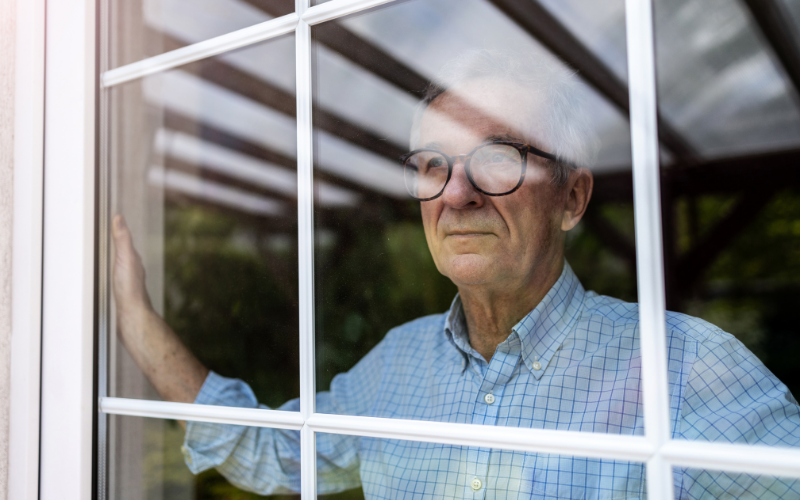
The challenge is that someone experiencing SAD may never say, “I think I’m depressed.” Instead, families may notice small changes that are easy to dismiss such as loved ones withdrawing from social activities, sleeping in later, and eating less.
Individually, these changes may not seem significant. Taken together, though, they can be signs that something deeper is going on. Knowing what to look for can help families recognize seasonal depression in an older loved one and determine when it may be time to offer support.
What is Seasonal Affective Disorder?
SAD is not a condition that exists entirely on its own; it is a form of depression that follows a predictable seasonal pattern. The National Institute of Mental Health describes two types: winter-pattern SAD, in which symptoms appear during the darker months and ease as the days grow longer, and the less common summer-pattern SAD.
For winter-pattern SAD, one of the leading explanations involves changes in the body’s response to daylight. Research suggests that reduced exposure to sunlight may affect serotonin, a brain chemical involved in regulating mood. It may also disrupt the body’s production of melatonin, a hormone that helps control the sleep-wake cycle, which may contribute to the pronounced fatigue and sleepiness that often accompany winter-pattern SAD.
Winter-pattern SAD also becomes more common in regions farther from the equator, where winter brings shorter days and less sunlight. For older adults, those seasonal changes can be particularly noticeable and recognizing them can make it easier to distinguish SAD from the normal ups and downs of winter.
Why the Signs Are Easy to Miss in an Older Adult
Depression in older adults is often filtered through other explanations. When a 78-year-old starts sleeping eleven hours, skipping lunch, and canceling plans, a family’s first thought is rarely mental health. Maybe her knee is bothering her. Maybe her medication recently changed. Maybe she simply slows down during the winter. Those explanations may be reasonable, but they can also make it easy to overlook a meaningful change in mood.
The other challenge is that much of an older adult’s day may go unobserved. Someone who lives alone might see family on Sundays and few other people during the week. At that weekly visit, they may seem like themselves or put on enough of a familiar face that no one realizes how different the previous six days have been.
That is why the more useful question is not whether a single symptom is present, but whether something has changed since July and remained different for several weeks. A noticeable shift in sleep, appetite, energy, social activity, or mood may be worth paying attention to, particularly when several changes appear together.
Signs to Watch for During the Fall and Winter
SAD can involve many of the same symptoms as other forms of depression, along with changes that tend to follow the seasons. The National Institute of Mental Health identifies several common symptoms of depression, while noting that not everyone experiences all of them:
- A sad, anxious, or empty mood most of the day, nearly every day, for at least two weeks
- Feelings of hopelessness, pessimism, guilt, or worthlessness
- Irritability, frustration, or restlessness
- Loss of interest or pleasure in hobbies and activities
- Decreased energy, fatigue, or feeling slowed down
- Difficulty concentrating, remembering, or making decisions
- Changes in sleep or appetite, or unplanned weight changes
- Aches, headaches, or digestive problems with no clear physical cause that don’t respond to treatment
- Thoughts of death or suicide
For winter-pattern SAD, three more symptoms come into play including oversleeping, overeating with a particular craving for carbohydrates that often leads to weight gain, and social withdrawal that NIMH describes as feeling like hibernating.
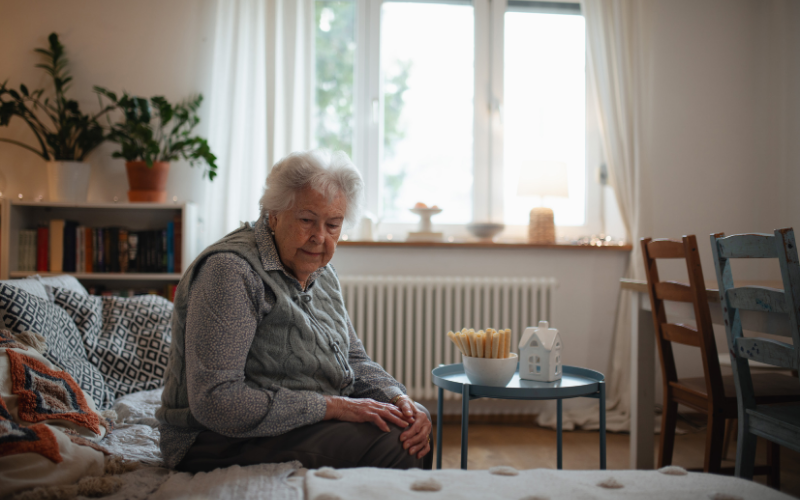
That last symptom is often the most visible to family members. A parent who once looked forward to church, card games, or coffee with a neighbor may suddenly turn down every invitation. The reasons can sound perfectly reasonable each time, which is why the pattern may continue for weeks before anyone recognizes that something has changed.
The smaller clues matter, too. Mail starts piling up unopened. Laundry goes undone. The same dishes remain in the sink from one visit to the next. Irritability can be another overlooked sign. A normally easygoing parent who has become unusually short-tempered may be expressing depression in a way they do not know how to explain.
None of these changes necessarily means someone has SAD. But when several appear together and persist through the season, they are worth noticing.
Signs That Show Up in Summer Instead
Summer-pattern SAD is less common, and its symptoms run in nearly the opposite direction; trouble sleeping instead of oversleeping, a poor appetite with weight loss instead of overeating, plus restlessness, agitation, and anxiety. A hot July that brings all of that at once deserves attention rather than being written off as a reaction to the heat.
Holiday Blues and SAD Are Not the Same Thing
Families use these terms interchangeably, but NIMH draws a clear line. The holiday blues are sadness or anxiety brought on by the stresses of a particular time of year. The depression that comes with SAD tracks daylight rather than the calendar, so the strain of hosting or the ache of a first Christmas without a spouse is a separate matter. Both are real, but only one arrives on schedule year after year.
What to Do If These Signs Sound Familiar
Start with a conversation, then bring in a professional. If several of these symptoms have lasted more than two weeks, ask your loved one’s health care provider to take a look. A provider may use a questionnaire to see whether the symptoms meet the criteria for SAD, which includes depressive episodes occurring in a specific season for at least two consecutive years.
Treatment falls into four categories that can be used alone or together: light therapy, psychotherapy, antidepressant medication, and vitamin D. Light therapy has been a mainstay for winter-pattern SAD since the 1980s and generally involves sitting in front of a 10,000 lux light box for 30 to 45 minutes each morning from fall through spring. Cognitive behavioral therapy has also been adapted for SAD, and when researchers compared the two, both worked about equally well.
Light therapy may need medical supervision for anyone with certain eye conditions or on medications that increase light sensitivity, and vitamin D can interact with other prescriptions. Because the timing of SAD is so predictable, people with a history of it may benefit from starting treatment before the season begins, so if last winter was hard, have this conversation in September rather than January.
If your loved one ever mentions death or suicide, don’t wait for the next appointment. Call or text 988 to reach the Suicide and Crisis Lifeline, or 911 if the situation is life-threatening.
How In-Home Care Helps Through the Darker Months

Treatment for SAD should be done by a medical professional. But what happens during the other 23 hours of the day is where families may need support, and where a caregiver can make a meaningful difference.
One of the core elements of CBT for SAD is behavioral activation; intentionally scheduling enjoyable or meaningful activities to counter the withdrawal and loss of interest that can come with seasonal depression. That can be much easier to maintain when someone is there to help turn good intentions into part of the daily routine.
A caregiver might open the blinds in the morning, prepare breakfast, encourage a short walk on a clear afternoon, provide medication reminders, or simply offer consistent companionship during the long, isolating days of January. Regular visits also provide another set of eyes. A caregiver may notice that a loved one is sleeping more, eating less, withdrawing from activities, or struggling with everyday tasks, changes that can be difficult for family members to spot from across town.
At Assisting Hands Home Care in Lombard, we provide non-medical senior home care that helps older adults stay safe and comfortable at home, along with companion care and custodial care for those whose greatest need is company and a reliable presence in the house. We serve families in Lombard, Villa Park, Elmhurst, Addison, IL and the surrounding areas in DuPage county, and we build the care plan around your loved one’s routine.
If this winter is shaping up to be a hard one for someone you love, call Assisting Hands Lombard at (630) 526-6522 to schedule a free in-home consultation.
This article is for general information and is not medical advice. Talk with a health care provider about your loved one’s symptoms.

