
In the realm of health and well-being, slumber holds a place of paramount importance. Veterans, particularly those who’ve seen active duty, often grapple with sleep disorders. These issues not only cast a shadow on their physical health but also ripple into their mental and emotional equilibrium. Assisting Hands Home Care, an esteemed caregiving agency in North Texas, is well-acquainted with veterans’ distinct needs and is resolutely committed to providing holistic care, which notably encompasses the realm of sleep disorders. In this article, we delve into the significance of sleep for veterans, prevalent sleep disorders in this demographic, and effective approaches to ameliorate sleep quality.
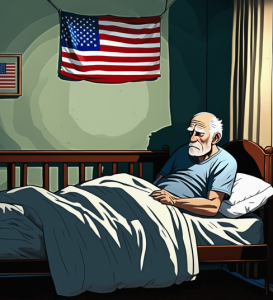
The Significance of Sleep for Veterans
While sleep is a universal necessity, its value is elevated for veterans who’ve shouldered unique physical and psychological strains through their military tenure. Sleep serves as a linchpin in several areas:
- Physical Revival: Sleep becomes a phase of restoration, particularly germane for veterans coping with injuries or persistent pain. It is during slumber that the body mends itself naturally.
- Mind’s Sanctuary: The sleep-mental health axis is undeniable. Veterans might contend with conditions like post-traumatic stress disorder (PTSD), anxiety, or depression—issues that can disrupt sleep patterns. Conversely, fitful sleep can exacerbate these challenges.
- Cognitive Vitality: Cognitive functions, including memory, focus, and troubleshooting, are intricately tied to sleep. Given veterans’ often demanding situations requiring vigilance and swift decisions, sleep deprivation is a serious impediment.
Common Sleep Disorders Among Veterans
- Insomnia: The struggle to initiate or sustain sleep characterizes insomnia. Veterans might grapple with this due to heightened arousal from combat-related stress or as an offshoot of conditions like PTSD.
- Sleep Apnea: Sleep apnea involves intermittent breathing cessation during slumber. Veterans exposed to environmental hazards during service, such as fumes or chemicals, might be prone to this disorder.
- Nocturnal Disquiet: Nightmares rooted in traumatic experiences can sabotage sleep. These unsettling dreams frequently accompany night sweats, fragmenting the sleep cycle.
- Restless Leg Syndrome (RLS): Unsettling sensations in the legs, compelling their movement, typify RLS. This condition significantly impairs falling and staying asleep.
Mitigating Sleep Disorders: Strategies for Veterans
Assisting Hands Home Care comprehends that counteracting sleep disorders in veterans demands a customized, comprehensive approach. Here are strategies conducive to augmenting sleep quality:
- Cultivate Sleep-Conducive Environment: Nurturing a sleep-conducive ambiance entails plush bedding, temperature control, and minimizing sensory disruptions.
- Routine Regimen: Veterans benefit from adhering to a consistent sleep schedule, even on weekends. This rhythm aids in synchronizing the body’s internal clock.
- Relaxation Rituals: Techniques like mindful breathing, meditation, and progressive muscle relaxation can facilitate pre-sleep unwinding, curtailing anxiety and fostering better sleep.
- Screen Curfew: Blue light emitted by electronic devices can thwart melatonin production—the hormone regulating sleep. Veterans are advised to abstain from screens an hour before bedtime.
- Physical Engagement: Regular physical activity during daytime is an ally for nocturnal rest. However, strenuous workouts close to bedtime should be avoided.
- Dietary Awareness: Consuming heavy meals or caffeine in proximity to bedtime disrupts sleep. Light dinners and afternoon-evening caffeine curtailment are prudent.
- Professional Intervention: Should sleep disorders persist, professional aid is imperative. Therapists, sleep specialists, and medical practitioners can tailor solutions to individual requisites.
- Holistic PTSD Management: For veterans grappling with PTSD, comprehensive management holds the key to better sleep. Therapies like cognitive-behavioral therapy (CBT) and exposure therapy alleviate PTSD symptoms and linked sleep disturbances.
Assisting Hands Home Care: Partnering in Veteran Well-being
Assisting Hands Home Care appreciates that veterans necessitate specialized attention. Our empathetic caregivers are adept at delivering personalized care, encompassing sleep disorder resolution and overall wellness promotion. Our services encompass:
- Personalized Care: Assisting with daily tasks such as bathing, dressing, and grooming.
- Companionship: Meaningful engagements that counteract isolation and bolster emotional equilibrium.
- Medication Oversight: Ensuring adherence to prescribed medications, including those pertaining to sleep disorders.
- Nutritious Meals: Catering to dietary needs, crafting nourishing meals that foster sound sleep.
- Transit Aid: Facilitating transport for medical visits, therapy sessions, and social interactions.
Conclusion
Sleep disorders wield the potential to cast a profound shadow on veterans’ lives, casting ripples across their physical health, emotional stability, and overall quality of life. Assisting Hands Home Care stands steadfast in its commitment to supporting North Texas veterans, extending a helping hand to address sleep disorders and providing comprehensive care that honors their valor and sacrifices. If you’re a veteran grappling with sleep hurdles or know someone who is, don’t hesitate to connect with us. With our expertise and dedication, we collaboratively endeavor to ensure veterans receive the care and support befitting a serene and revitalizing sleep.

