
Living with osteoarthritis presents unique challenges that can significantly impact daily life. Assisting Hands Home Care in North Texas is dedicated to offering empathetic and effective support for individuals managing osteoarthritis. In this detailed blog post, we will delve into the complexities of osteoarthritis, exploring its origins, symptoms, and practical strategies for managing it. Throughout, we’ll emphasize the invaluable assistance provided by our home care agency to those coping with this condition.
I. Defining Osteoarthritis
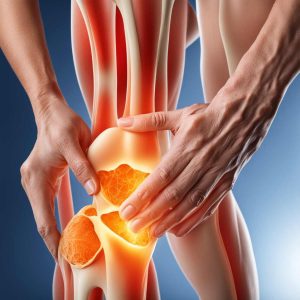
Osteoarthritis, commonly known as OA, stands as the most prevalent form of arthritis, affecting millions worldwide. It primarily targets the joints, leading to the breakdown of cartilage and underlying bone. Cartilage, a smooth and rubbery tissue, acts as a cushion between bones in a joint, facilitating smooth movement. As it deteriorates, bones can rub against each other, resulting in pain, stiffness, and decreased joint flexibility.
II. Causes and Risk Factors
Understanding the causes and risk factors of osteoarthritis is crucial for effective management. While aging is a common factor, other contributors include:
- Joint Overuse or Injury: Previous joint injuries or excessive use, particularly in weight-bearing joints, can contribute to osteoarthritis development.
- Genetics: A familial history of osteoarthritis may increase susceptibility, indicating a genetic predisposition.
- Obesity: Excess body weight places additional stress on weight-bearing joints, such as the knees and hips, increasing the risk of osteoarthritis.
- Joint Deformities: Inherited conditions affecting joint structure can contribute to osteoarthritis development.
- Gender: Women, especially after menopause, are more prone to osteoarthritis than men.
III. Recognizing Osteoarthritis Symptoms
Identifying the signs and symptoms of osteoarthritis is essential for early intervention and management. Common indicators include:
- Joint Pain: Persistent pain in the affected joints, typically worsening after activity or prolonged periods of rest.
- Stiffness: Reduced joint flexibility and increased stiffness, especially in the morning or after periods of rest.
- Swelling: Inflammation and swelling around the affected joints.
- Crepitus: A grating or cracking sensation during joint movement.
- Limited Range of Motion: Difficulty moving the affected joint through its full range.
IV. Diagnosing Osteoarthritis
Accurate diagnosis is essential for developing an effective care plan. Medical professionals may employ various methods, including:
- Clinical Evaluation: A thorough examination of symptoms and medical history.
- Imaging Tests: X-rays, MRIs, or CT scans to visualize joint damage and assess its severity.
- Joint Fluid Analysis: Analyzing fluid within the joint for signs of inflammation and cartilage breakdown.
Once diagnosed, individuals can explore personalized strategies to manage osteoarthritis and improve their quality of life.
V. Managing Osteoarthritis with Assisting Hands Home Care
Assisting Hands Home Care in North Texas provides tailored support to individuals dealing with osteoarthritis. Our skilled caregivers assist with:
- Daily Activities: Aid with activities of daily living (ADLs) such as bathing, dressing, and grooming.
- Medication Reminder: Ensure timely and proper administration of medications prescribed for pain relief and inflammation.
- Mobility Assistance: Support individuals in maintaining mobility through gentle exercises and assistance with movement.
- Meal Preparation: Create nutritious meals to support overall health and weight management.
- Companionship: Alleviate the emotional impact of osteoarthritis by providing companionship and emotional support.
VI. Lifestyle Modifications
In addition to professional assistance, individuals with osteoarthritis can adopt lifestyle changes to manage their condition effectively:
- Regular Exercise: Engage in low-impact exercises, such as swimming or walking, to maintain joint flexibility and strength.
- Weight Management: Achieve and maintain a healthy weight to reduce stress on weight-bearing joints.
- Joint Protection: Use assistive devices, such as braces or canes, to reduce joint strain.
- Balanced Diet: Consume a diet rich in anti-inflammatory foods, such as fruits, vegetables, and omega-3 fatty acids.
VII. Holistic Approaches to Osteoarthritis
Assisting Hands Home Care promotes a holistic approach to osteoarthritis management, integrating various elements for comprehensive care:
- Physical Therapy: Collaborate with physical therapists to develop tailored exercise regimens to improve joint function.
- Occupational Therapy: Enhance independence by addressing challenges in performing daily activities.
- Pain Management Techniques: Employ non-pharmacological approaches, such as heat or cold therapy, to alleviate pain.
- Educational Support: Provide resources and information to empower individuals and their families to better understand and manage osteoarthritis.

VIII. Community Resources
Assisting Hands Home Care in North Texas is committed to connecting individuals with valuable community resources:
- Support Groups: Facilitate access to local support groups where individuals can share experiences and coping strategies.
- Educational Workshops: Offer workshops on osteoarthritis management, nutrition, and exercise.
- Health Screenings: Partner with local healthcare providers to organize regular health screenings.
Conclusion
Living with osteoarthritis requires a multifaceted approach to ensure optimal well-being. Assisting Hands Home Care in North Texas stands as a reliable partner in this journey, offering compassionate and personalized care to enhance the quality of life for individuals dealing with osteoarthritis. By combining professional support, lifestyle modifications, and community resources, we aim to empower individuals to manage their condition effectively and maintain a fulfilling and active lifestyle. Contact us today to explore how our home care services can make a positive impact on your journey with osteoarthritis.

